Keeping up with the latest slang can feel like a full-time job, especially for those not constantly plugged into the digital world. A fresh analysis of Google search trends by Word Unscrambler has identified the most looked-up slang terms of 2026, offering a snapshot of how younger generations are reshaping language in real time.
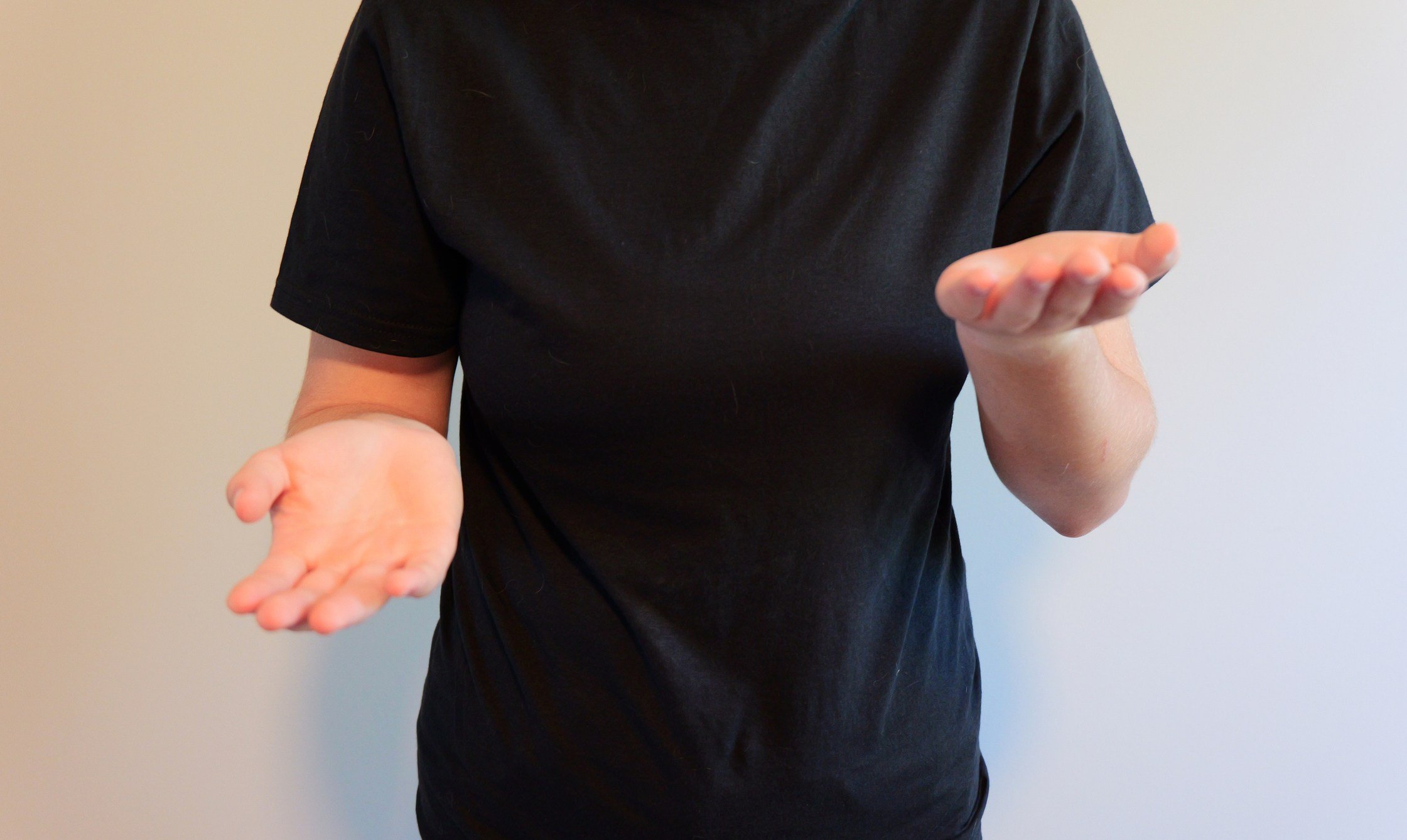
Topping the list with over 1.6 million searches is something that isn't a word at all—it's a number sequence: “6-7.” This term, often accompanied by a hand gesture mimicking a scale, is a classic example of the nonsense words that resonate with Gen Alpha. It doesn't have a specific meaning but has enjoyed remarkable staying power since it first gained traction last year.
The rest of the top 10 mixes old favorites with fresh twists. “Rizz,” a shortened form of charisma, remains a staple for describing someone's charm or style. “Cap” and “no cap” continue to signal lies versus truth, while “mogging” and its variants—like “framemog”—have entered the mainstream lexicon, with Merriam-Webster defining “mog” as to outshine or outperform someone.
Some terms have taken on darker or more complex meanings. “Bop,” once used for a catchy song, now carries an offensive, misogynistic connotation, according to Merriam-Webster. “Gooning” has PG-rated uses—being absorbed in an activity—but also has more explicit origins. “Larping” has evolved from live-action role-playing to describe anyone pretending to be someone they're not, a concept that resonates in an era of curated online personas.
“Aura” and its associated terms—aura points, aura farming—speak to the performative nature of online coolness, while “sigma” describes a lone-wolf archetype, distinct from the alpha male. The list also includes “chud,” derived from the 1984 film “C.H.U.D.,” now used by Gen Alpha as a synonym for loser.
This linguistic evolution isn't just a curiosity; it reflects broader generational shifts in communication, particularly as Gen Z's embrace of online politics influences how they engage with the world. The rise of these terms also intersects with policy debates, such as the Kids Online Safety Act, which aims to address the digital environments where such slang thrives.
For those hoping to stay current, the list serves as a cheat sheet—but beware: using these terms incorrectly might earn you a “no cap” from the younger crowd. As the digital landscape continues to evolve, so too will the vocabulary, with 2026's list likely to be outdated by next year.