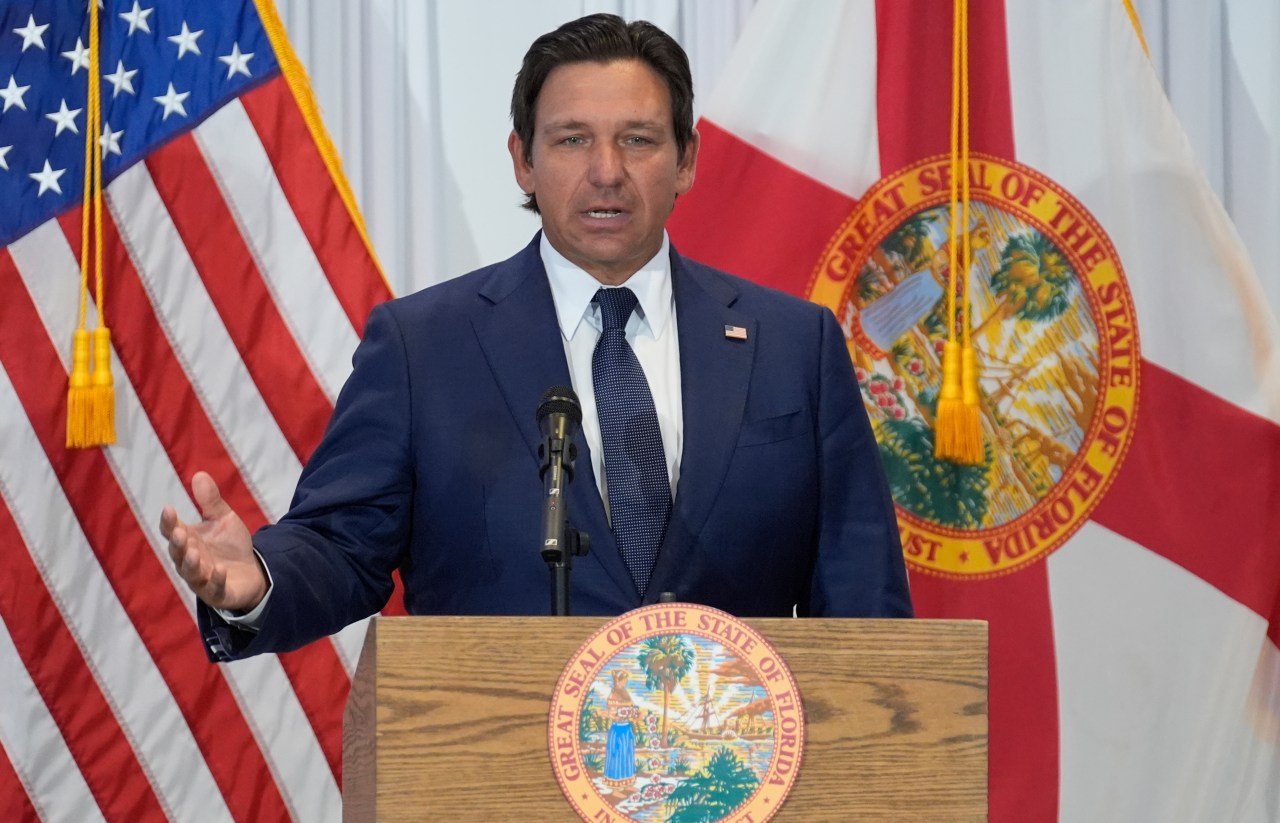
Florida scored a major legal victory on Wednesday when a federal appeals court cleared the way for the state to enforce its sweeping restrictions on minors' social media use, including a ban on accounts for children under 14. The decision marks a pivotal moment in the ongoing national battle over how—and whether—states can regulate teens' online activity.
The law, signed by Governor Ron DeSantis in 2024, is among the most aggressive in the country. In addition to the outright ban for younger kids, it requires parental consent for 14- and 15-year-olds to maintain accounts. Supporters argue it shields children from the well-documented harms of social media addiction, while opponents contend it tramples on constitutional free-speech rights.
A three-judge panel of the 11th U.S. Circuit Court of Appeals, in a unanimous opinion, acknowledged that the law implicates the First Amendment but said it "likely does so in a content-neutral manner." The judges reasoned that the measure is narrowly tailored to advance a compelling government interest in protecting minors from the addictive design of social media platforms, and that it does not "burden substantially more speech than necessary" to achieve that goal.
The ruling reverses a 2025 district court decision that had granted a preliminary injunction, siding with industry trade groups NetChoice and the Computer & Communications Industry Association. Those groups had argued that the law violates the free-speech rights of both platforms and their users. The case will now return to federal court in Tallahassee for further proceedings, but the appeals court's strong language suggests the state may ultimately prevail.
The law specifically targets platforms that employ algorithms and addictive features designed to maximize engagement among minors. As the appeals court noted, it applies only to services "that have been determined to induce heavy use by children." This narrow focus was central to the panel's reasoning that the law is not an overbroad restriction on speech.
NetChoice, a leading tech industry voice in the fight against state internet regulations, expressed disappointment with the decision. Attorney Paul Taske said the group is "evaluating all of our options as we continue the fight to ensure Floridians’ rights to free expression online are protected, and parents remain in the driver’s seat when it comes to making decisions for their families." The group has also challenged similar laws in other states, including a pending case in Texas.
Legal experts say the Florida ruling could influence other states considering age-based social media restrictions. At the same time, the issue has become a political flashpoint, with Republicans generally supporting parental-control measures and many Democrats warning of unintended censorship. The outcome of this case may ultimately reach the U.S. Supreme Court, which has yet to rule on the constitutionality of such laws.
For now, Florida's law is in effect, meaning parents and platforms must adapt quickly. The state attorney general's office did not immediately respond to a request for comment, but the decision is a clear win for DeSantis and other proponents of stricter online safeguards for minors.