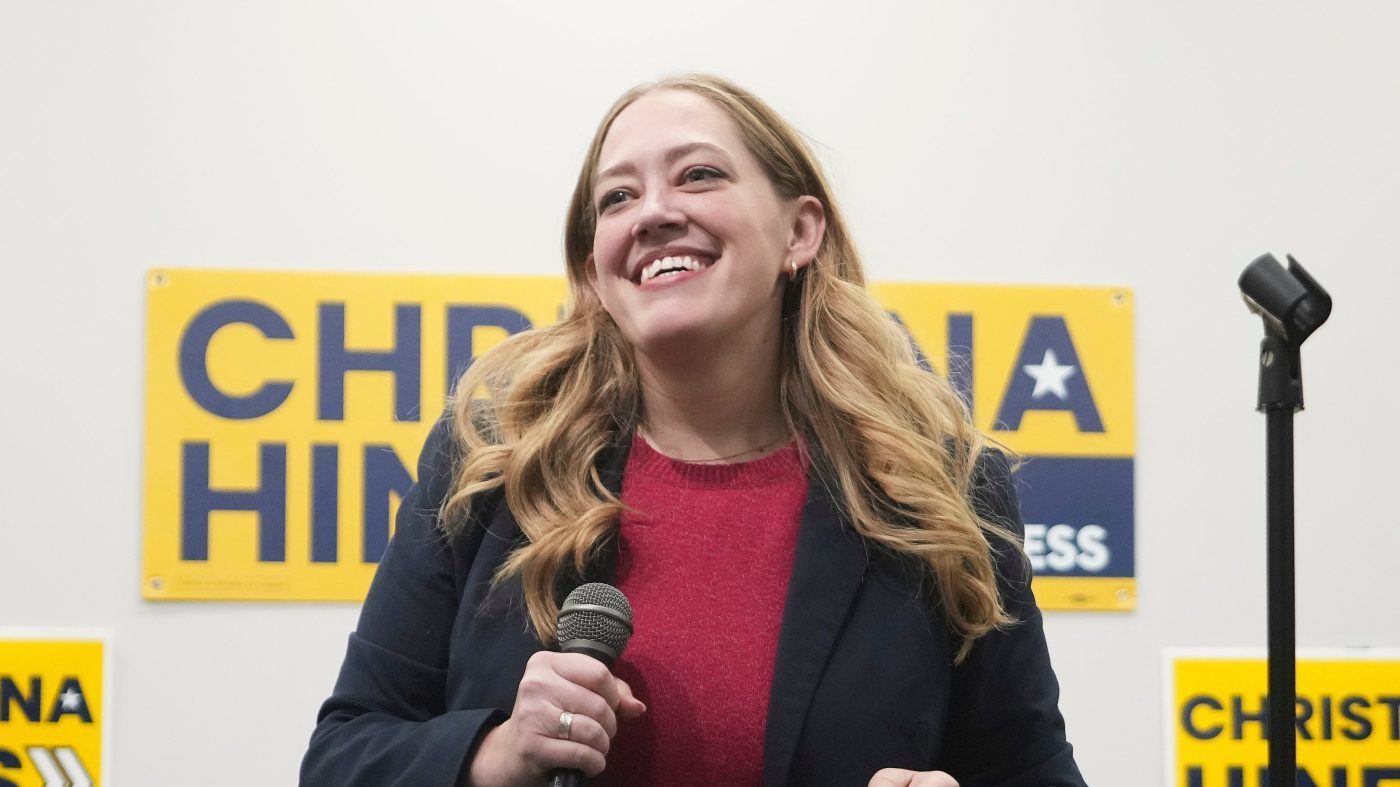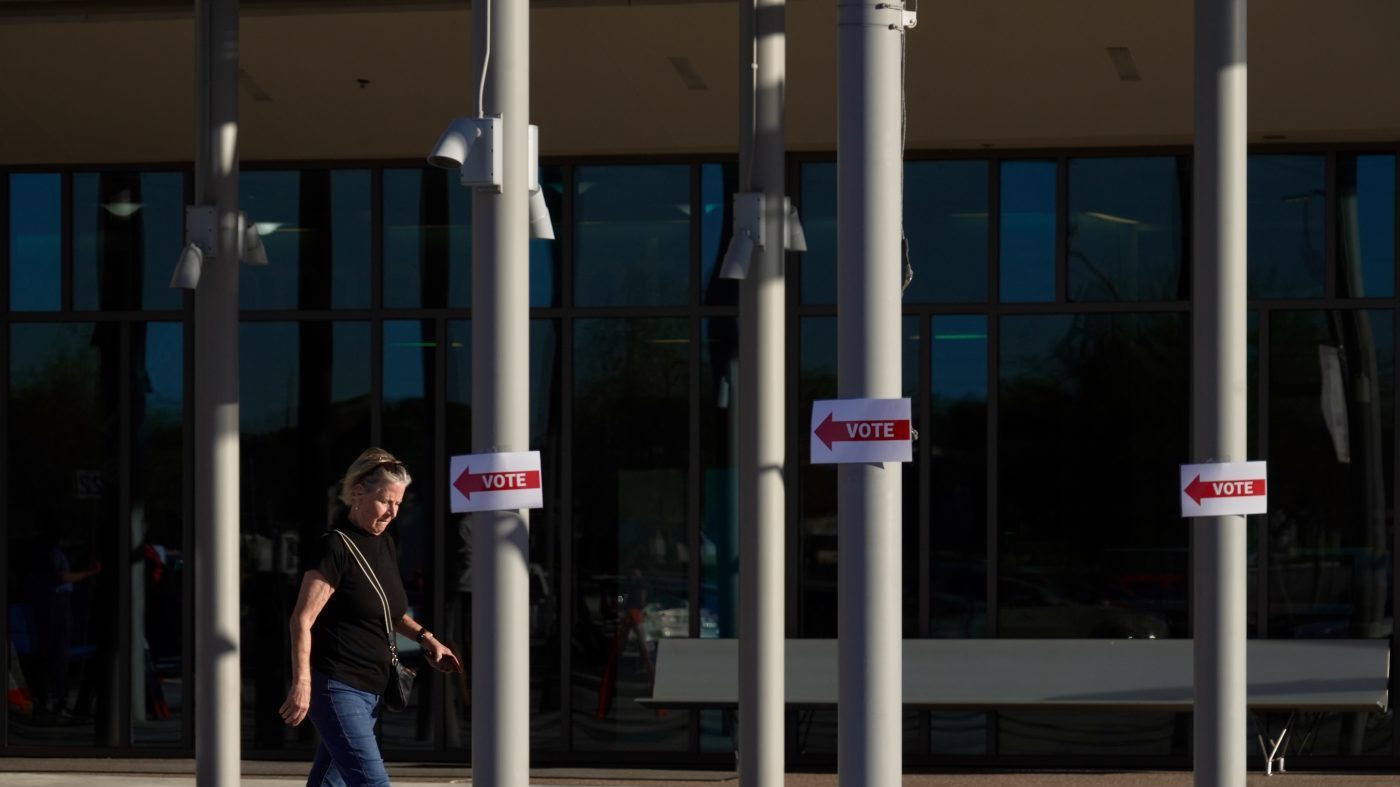
A ballot initiative in Arizona that would have enshrined a citizenship requirement for voting and barred foreign nationals from contributing to state elections is projected to fall short, according to Decision Desk HQ. The call came at 12:15 a.m. EST Wednesday, with 62% of the vote counted, showing roughly 56% in support and 44% opposed.
Proposition 144, a constitutional amendment, sought to require that only U.S. citizens register and vote in Arizona elections, ban foreign contributions, mandate government-issued photo ID for in-person and mail-in ballots, and allow voters to have their ballots counted at their polling place on Election Day. Despite majority support, the measure failed to meet the threshold needed to pass, reflecting a complex political landscape.
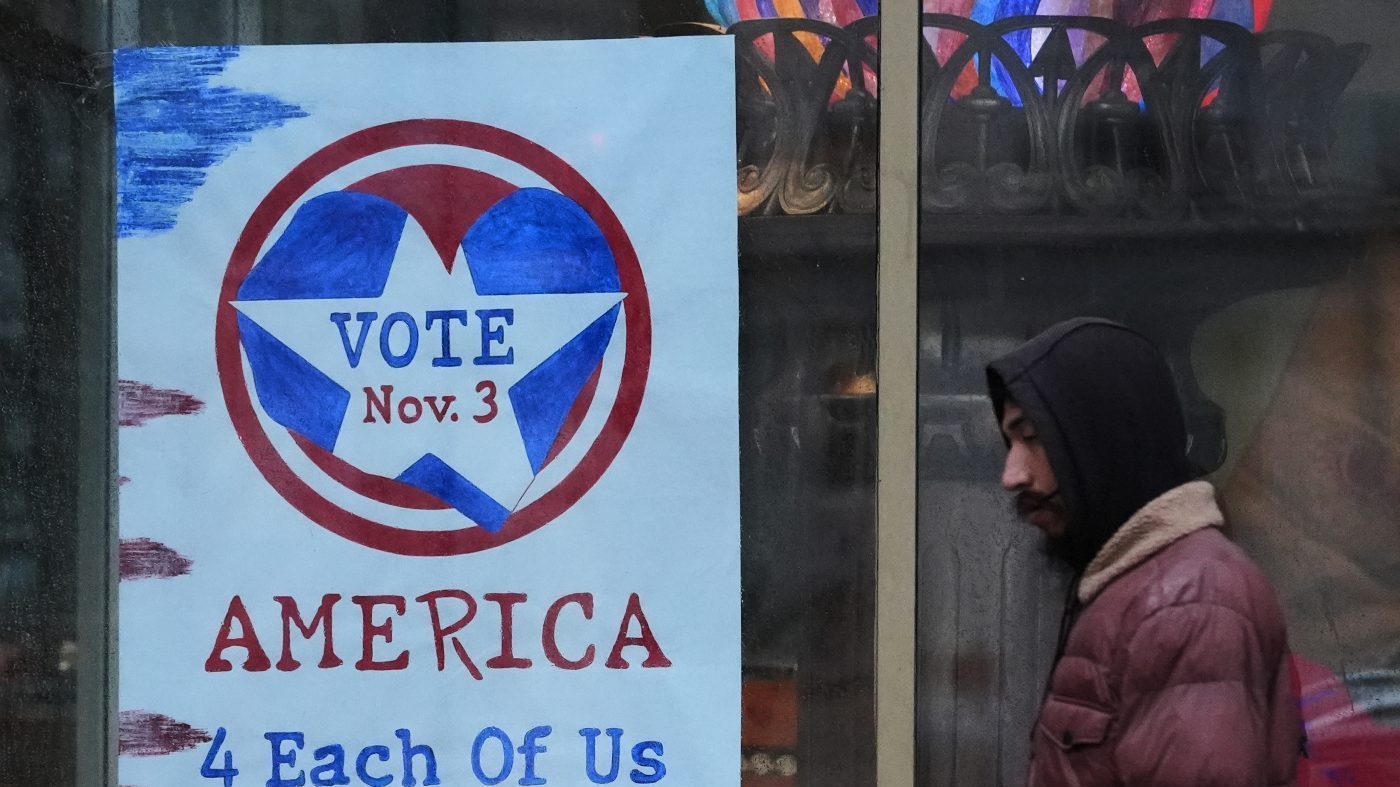
Arizona already has a 2004 law requiring proof of citizenship for voter registration, but a 2013 Supreme Court ruling invalidated that requirement for those using the federal voter registration form. Current state law demands either a photo ID or two non-photo documents to cast a ballot. Noncitizens are already barred from voting in federal elections, and only a few municipalities and Washington, D.C., permit noncitizen voting in local contests, according to Ballotpedia.
The push for stricter voting rules has been a rallying point for Republicans, especially as former President Trump has repeatedly made unsubstantiated claims of widespread voter fraud. Trump has urged GOP lawmakers to pass legislation requiring proof of citizenship and photo ID at the polls, but such efforts have stalled in Congress.
This year, at least 15 states are considering ballot measures on election policy, with six asking voters about citizenship requirements and six about voter ID. The Supreme Court is also set to hear a case this fall on whether Arizona can mandate proof of citizenship for voter registration, a decision that could reshape voting laws nationwide.
The rejection of Proposition 144 is a notable setback for conservative voting reform advocates, but the issue remains alive in courts and statehouses. Meanwhile, Arizona's gubernatorial race and other key contests are drawing national attention, as Hobbs secured a second term and Mendoza flipped the 6th District, signaling shifting political dynamics.
Voting machine glitches in several states, including Westchester's scanner failures, have also sparked concerns about election integrity, adding to the national debate. As the legal and legislative battles continue, the outcome in Arizona underscores the deep divisions over voting access and security.