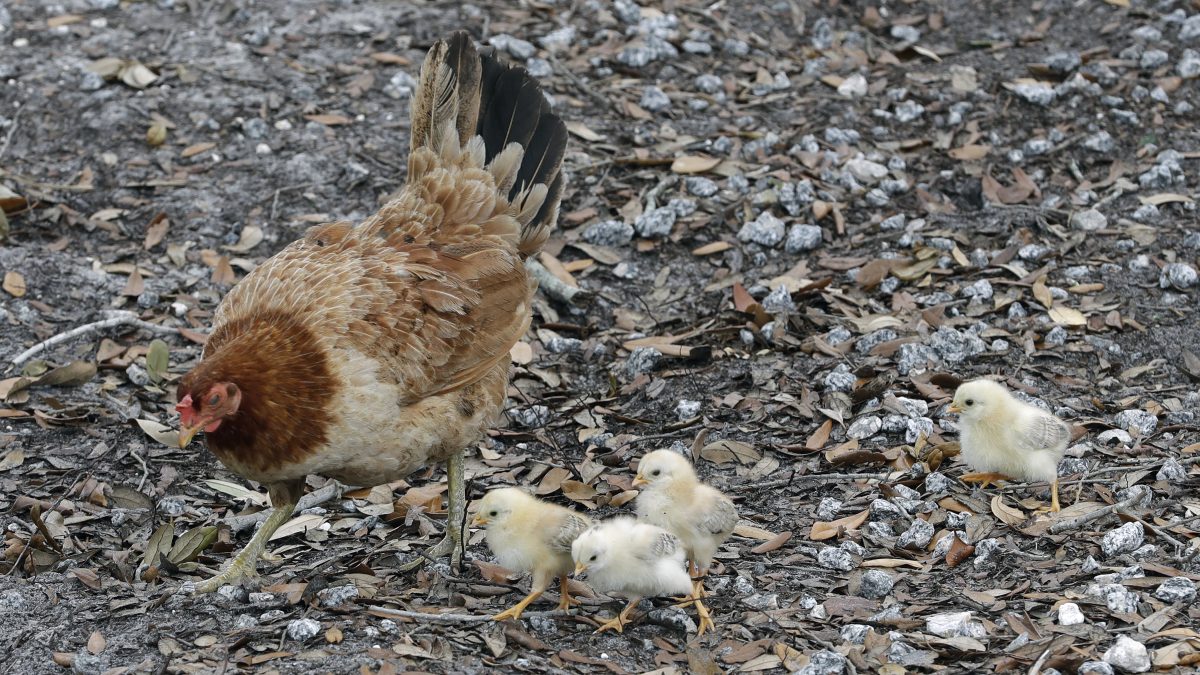
The Centers for Disease Control and Prevention (CDC) has issued a warning about an outbreak of drug-resistant salmonella infections that has sickened 34 people across 13 states, with a significant number of cases involving young children. The infections have been traced to contact with backyard poultry, raising concerns about antibiotic resistance and the safety of small-scale farming.
Outbreak Scope and Locations
As of late March, confirmed cases have been reported primarily in the Midwest. Michigan leads with six infections, followed by Ohio and Wisconsin with five each. Indiana, Kentucky, and Maine have each recorded three cases, while Maryland and West Virginia have two. Florida, Illinois, Mississippi, New Hampshire, and Tennessee have each confirmed a single case. The CDC notes that the actual number of illnesses is likely higher, as some cases may go unreported.

Patients and Resistance Concerns
The patients range in age from less than a year old to 78, with a median age of just 12. Approximately one-third of those infected are children under 5. Thirteen individuals have required hospitalization. Laboratory analysis indicates that the strain may be resistant to the antibiotic fosfomycin, and samples from eight patients show potential resistance to other commonly used antibiotics. This drug resistance complicates treatment and underscores the growing threat of antimicrobial resistance in foodborne pathogens.
Health officials interviewed 29 patients, with 23 reporting contact with backyard poultry in the week before becoming ill. Fourteen said they own such birds, and all but one had acquired new poultry since the start of the year. The CDC is investigating whether a common source of the birds exists.
Transmission and Symptoms
The CDC warns that any backyard birds—including chickens and ducks—can carry salmonella. Exposure does not require direct contact; touching contaminated environments or equipment and then touching the mouth or food can lead to infection. Symptoms include diarrhea, fever, and stomach cramps, typically appearing 6 hours to 6 days after exposure. Most people recover without treatment within a week, but severe illness can occur in young children, the elderly, and immunocompromised individuals.
Prevention and Context
To reduce risk, the CDC urges thorough handwashing after handling birds or their habitats, keeping poultry supplies outside, and avoiding wearing contaminated footwear indoors. Children under 5 should not handle birds or their materials. This outbreak adds to the annual burden of salmonella, which causes roughly 1.35 million illnesses and 420 deaths in the U.S. each year.
This is not the first time backyard poultry has been linked to disease outbreaks. In a separate incident, the South Carolina measles outbreak recently ended after infecting nearly 1,000 people, highlighting the ongoing challenges with preventable diseases. Meanwhile, the Navy's urgent cybersecurity directive amid heightened Iran tensions shows how multiple agencies are grappling with diverse threats. The CDC continues to monitor the salmonella situation and may update its guidance as the investigation unfolds.