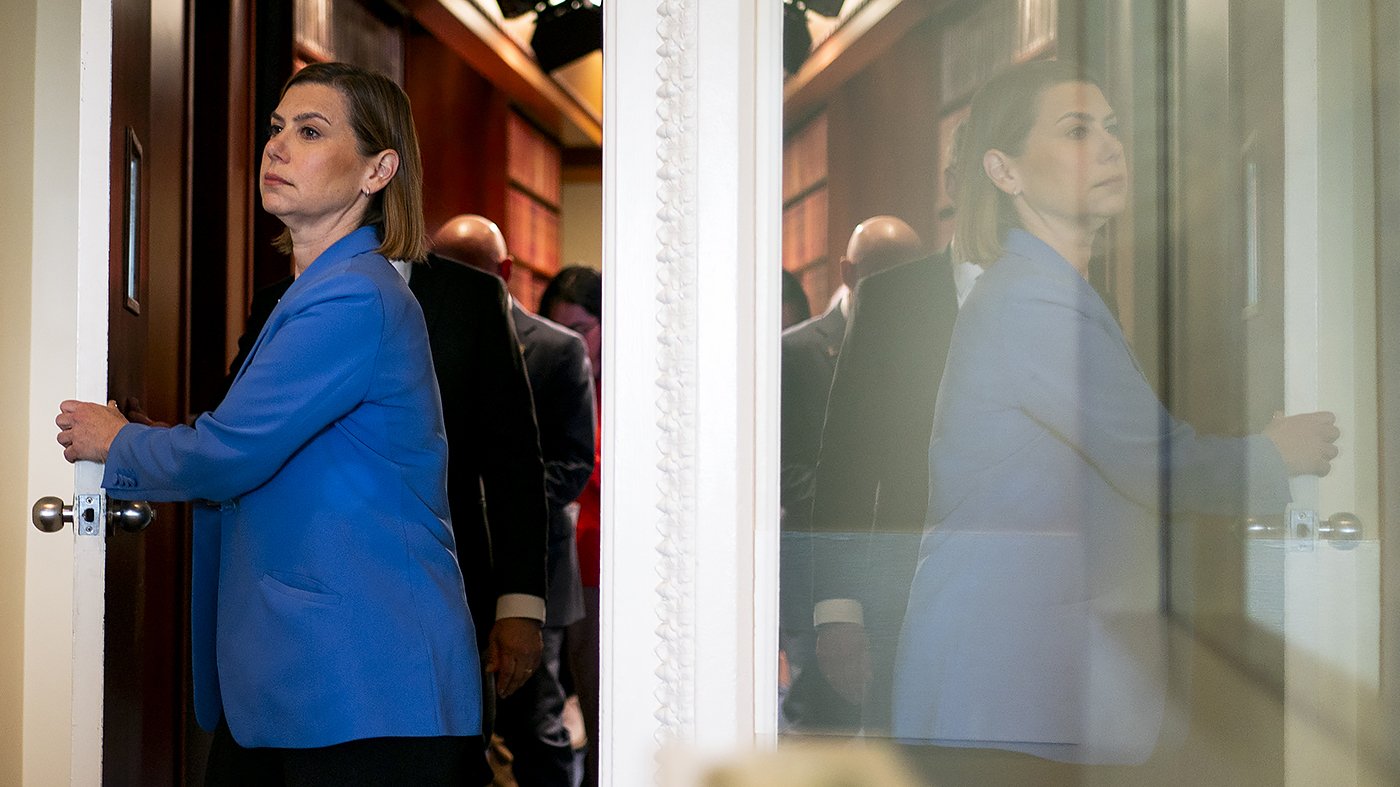
The Congressional Black Caucus rallied behind House Minority Leader Hakeem Jeffries on Friday, pushing back against Senator Elissa Slotkin's recent call for a generational shake-up in Democratic Party leadership.
In a joint statement released on social media, CBC Chair Yvette D. Clarke and former chairs Steven Horsford and Joyce Beatty declared, “The Congressional Black Caucus and House Democrats are united behind Leader Jeffries and remain focused on lowering costs for working families, defending our democracy, protecting fundamental rights, and taking back the House majority this November — not engaging in distractions that only serve to divide Democrats at a moment when unity and resolve are essential.”
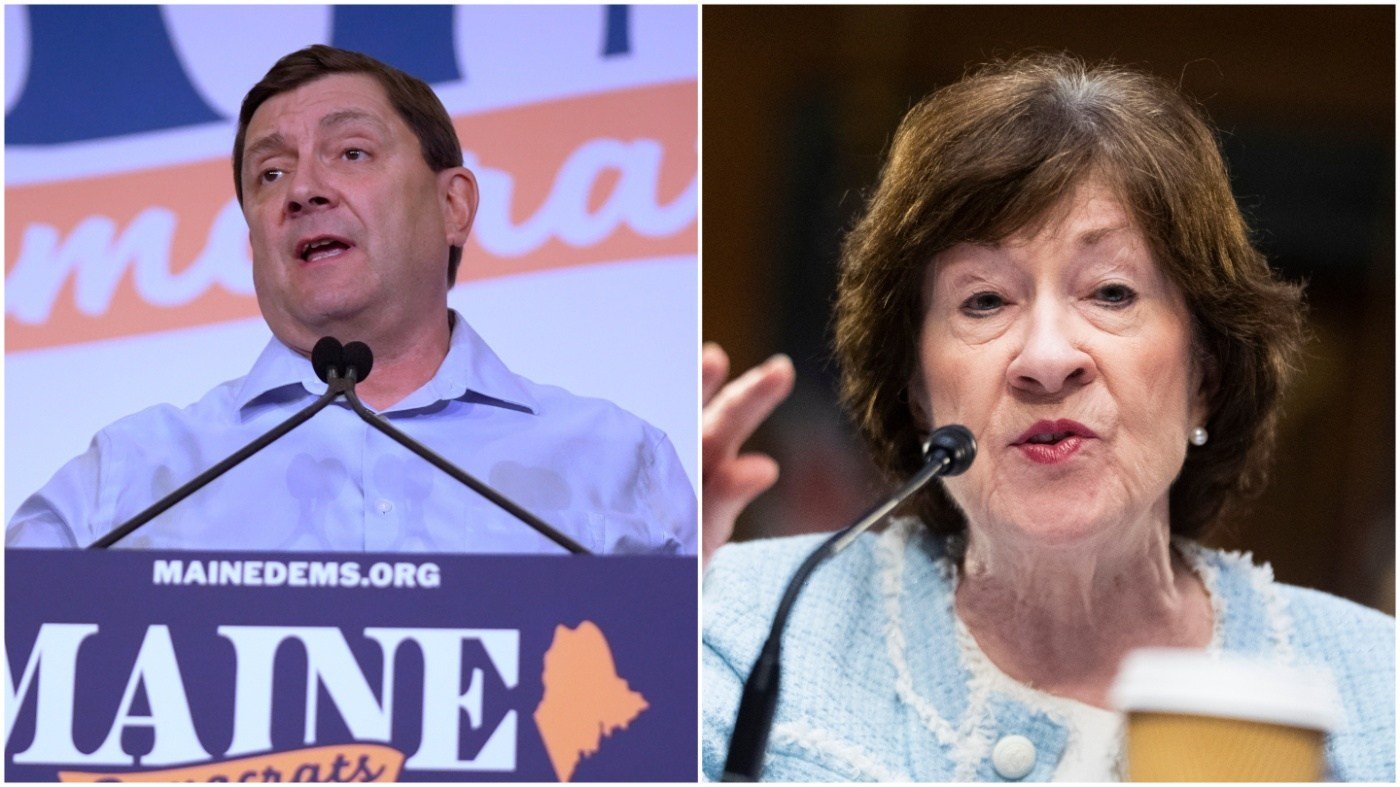
The statement came after Slotkin, a Michigan Democrat, appeared on SiriusXM’s “Straight Shooter” podcast on Wednesday, where she argued that the party needs a new direction. “That’s why I believe we need significant new leadership,” she told host Stephen A. Smith. “The old models are no longer working, and that includes the Democratic Party.”
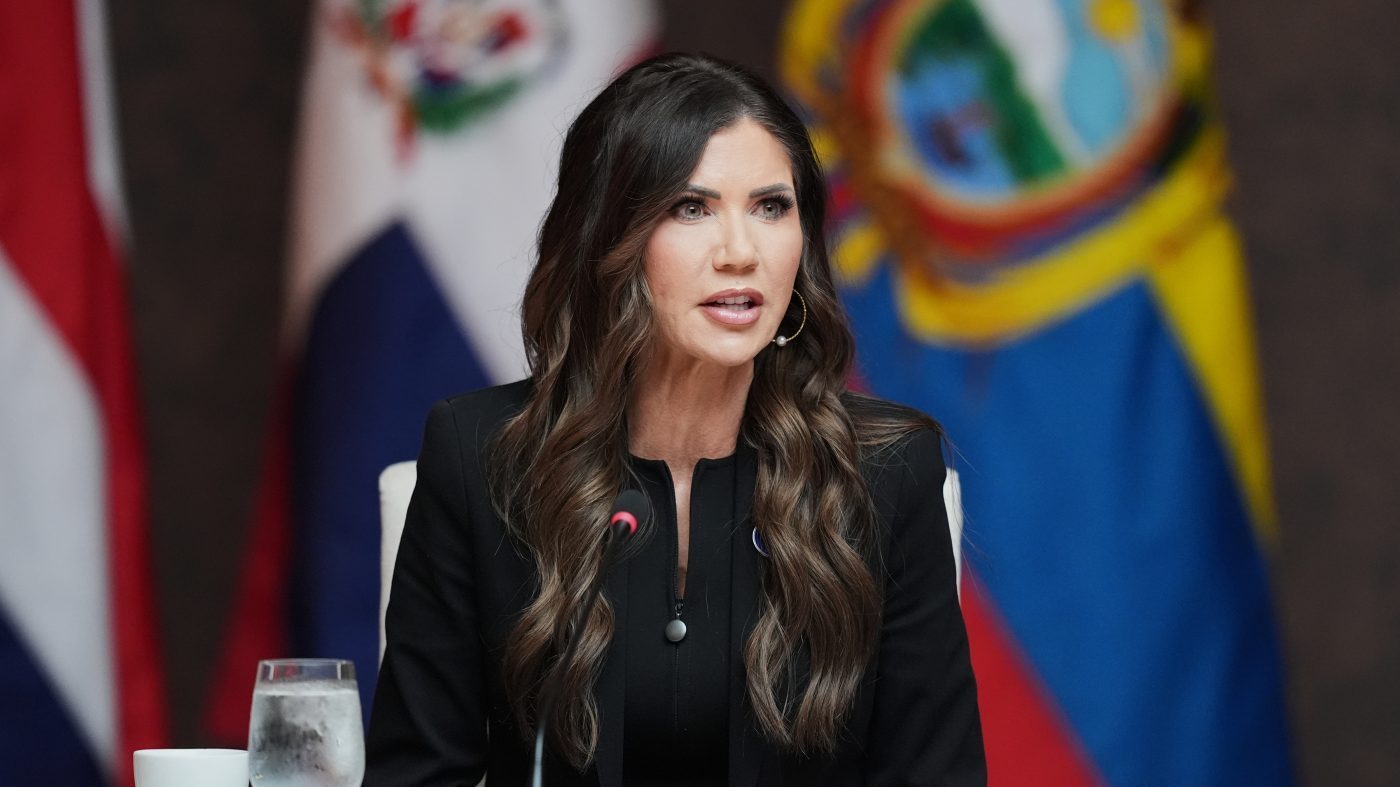
The CBC did not stop at defending Jeffries. It also attacked Slotkin’s voting record, noting she supported multiple Trump Cabinet nominees, including former Homeland Security Secretary Kristi Noem. “Before attempting to weigh in on House Democratic leadership, Senator Slotkin should account for her own role in enabling a racist administration whose policies have caused profound harm to the safety, security, and economic well-being of the Black communities that we represent,” the caucus said.
However, the CBC’s statement contained a factual error: it claimed Slotkin voted to confirm former Attorney General Pam Bondi. In fact, Senate records show she voted against Bondi’s nomination in February. The Hill has asked the caucus to clarify the mistake.
Slotkin’s remarks come amid broader internal Democratic tensions. The Wall Street Journal reported in March that three other Democratic senators had privately discussed ousting Senate Minority Leader Chuck Schumer, frustrated with his leadership style and the party’s midterm strategy. Meanwhile, Democratic National Committee Chair Ken Martin faces his own internal party strife as progressive candidates continue to notch primary wins.
Despite these fissures, Jeffries and other top Democrats have publicly dismissed the notion of a party in crisis. The CBC’s swift defense of Jeffries underscores the deep loyalty he commands among Black lawmakers, a key Democratic constituency, especially as the party struggles to define its message ahead of the 2026 midterms.
Slotkin’s push for new leadership echoes her broader critique of the party’s direction. In a related development, the Michigan senator has called for an overhaul of Democratic leadership after the 2024 losses, arguing that the party must adapt or risk further electoral setbacks.
The CBC’s response highlights the delicate balance Democrats must strike between internal debate and public unity, especially as they face a high-stakes election cycle. With the House majority within reach, the party cannot afford prolonged infighting, yet the calls for change from figures like Slotkin signal that not all members are content with the status quo.
As the 2026 midterms approach, the Democratic Party remains a coalition in flux, grappling with whether to double down on its current leadership or embrace a new generation of voices.