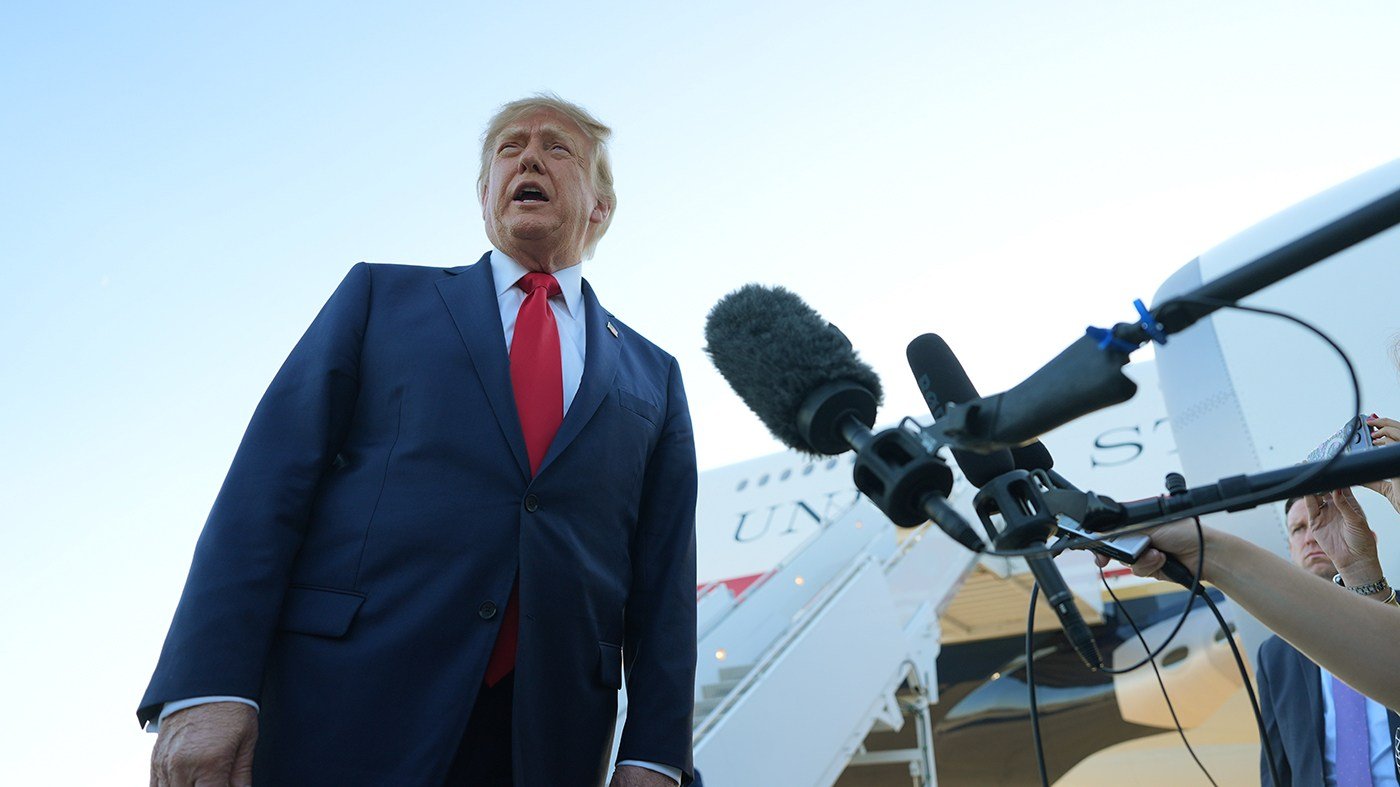
With the midterms approaching, polling and prediction markets suggest Democrats are poised to retake the House, and possibly the Senate. That would put the party in a position to consider impeachment proceedings against President Trump once more. But according to Richard Davis, a political science professor emeritus at Brigham Young University, the goal should be twofold: hold Trump accountable and also enact structural changes to prevent future presidents from wielding unchecked authority.
Davis argues that no president has shown such disregard for the rule of law. He cites the administration's defiance of court orders, the closure of federal departments without congressional approval, aggressive immigration enforcement that courts have deemed unlawful, the withholding of congressionally appropriated funds, the imposition of tariffs without legal justification, and most recently, military action against Iran without prior congressional authorization or notification. In his view, Trump's record makes him the most deserving president in history of impeachment and removal.
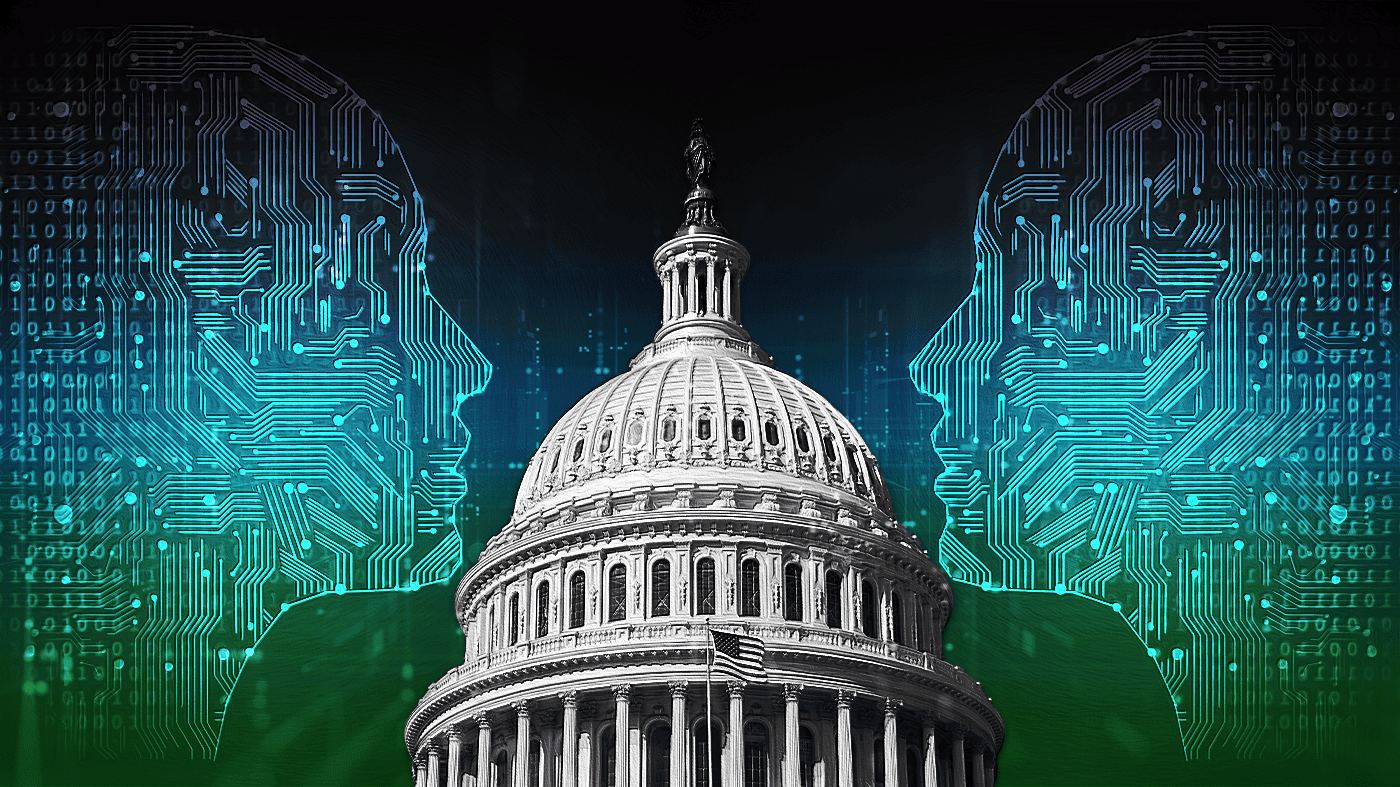
Even if the House impeaches, a Senate conviction remains unlikely. While some Senate Republicans might vote to remove—as seen in previous trials—reaching the required two-thirds majority is a long shot. Still, Davis contends that both chambers should send a clear signal that presidents cannot act with impunity. That message, he says, is essential for preserving constitutional checks.
But impeachment alone is insufficient. Davis urges Congress to take additional steps to rein in executive power. One priority is a constitutional amendment limiting the pardon authority. The Framers could not have anticipated a president using pardons as Trump has. Trump has issued more pardons than any president since Harry Truman and is on track to surpass Truman's total. Beyond the sheer number, the recipients are troubling: hundreds of individuals convicted for their roles in the January 6 Capitol riot, political allies, and wealthy donors. Davis calls for restrictions on self-pardons, pardons of relatives, and pardons for certain crimes. Pardons should be rare, not tools for political favors, and certainly no president should be able to pardon himself—an idea Trump has floated publicly.
Another area is war powers. Congress attempted to curb executive war-making with the War Powers Act of 1974, after Presidents Johnson and Nixon waged conflicts without congressional approval. That law requires consultation with and approval from Congress. Trump has ignored these provisions, claiming the act hampers his ability to pursue military objectives against Iran. Davis argues that is precisely the point: the nation should not go to war based on one person's judgment. In a democracy, such decisions belong to the people's representatives. He suggests strengthening the act by adding automatic funding cutoffs for unauthorized military operations.
Tariffs are a third front. The Constitution assigns Congress the power to impose tariffs, but lawmakers have delegated that authority to the president under certain conditions. Trump has exploited those conditions, according to Davis, imposing duties without proper legal basis. Congress should tighten those conditions—for example, by requiring congressional approval before tariffs can be imposed or by defining more precisely what constitutes a genuine emergency that would allow bypassing Congress.
These measures, Davis argues, are just a start. Congress should reassert its constitutional role in other areas as well. The current moment, amid the abuses of the Trump administration, is the right time to act. Without such rebalancing, future presidents will continue to expand executive power until constitutional checks become meaningless, effectively turning the presidency into a dictatorship.