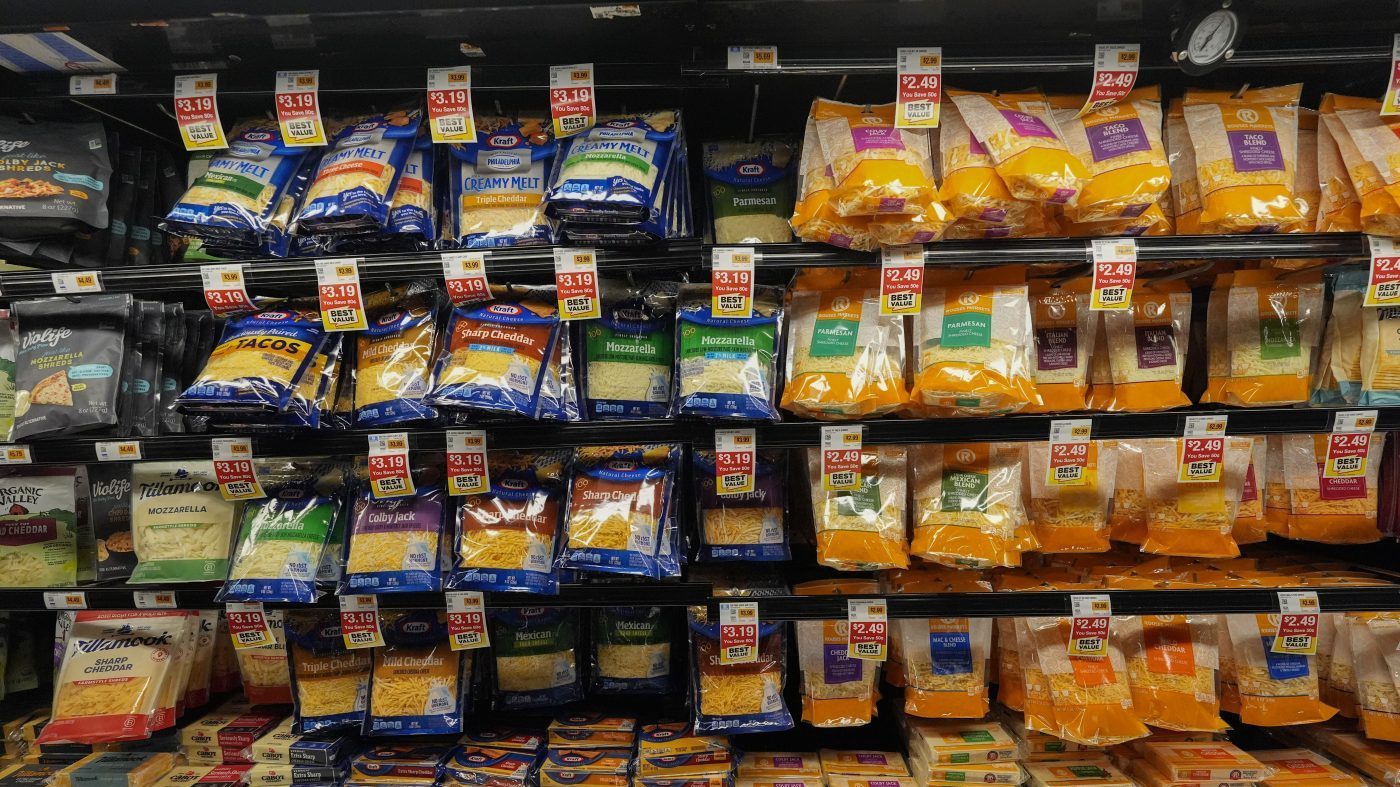
The Food and Drug Administration has finalized a regulation that permits food manufacturers to incorporate salt substitutes into 139 standardized food products, a move designed to curb sodium consumption across the American diet. The rule, which takes effect December 14, covers items ranging from bread and cheese to mayonnaise and canned tuna, while allowing these products to retain their traditional names.
Under the new framework, companies may replace some or all added salt with a "safe and suitable" alternative when reformulating their products. The FDA emphasized that reducing sodium intake can help lower the risk of hypertension, a leading contributor to heart disease and stroke. The agency noted that many existing standards of identity previously mandated or allowed salt but prohibited substitutes, thereby restricting manufacturers' ability to develop lower-sodium versions.

The most common substitute is potassium chloride, which delivers a salty taste but can carry a bitter, metallic, or mineral-like aftertaste. To mitigate these off-notes, manufacturers often blend potassium chloride with regular salt, flavor enhancers, or other ingredients. The rule does not mandate any specific substitute, only that qualifying ingredients reduce sodium and perform the same functions as salt.
Reformulation remains voluntary. "This update provides dairy manufacturers with additional flexibility to reduce sodium while maintaining product quality, safety and consumer expectations," said Michael Dykes, president and CEO of the International Dairy Foods Association, in a statement responding to the final rule.
The regulation does not impose a front-of-package disclosure requirement alerting consumers to the use of salt substitutes. However, existing labeling rules still apply, meaning if a manufacturer replaces sodium chloride with potassium chloride, that ingredient must appear in the ingredient list. Consumers can therefore identify substitutes by reading the label.
Potential health risks vary by substitute. Potassium-based alternatives may pose dangers for individuals with kidney disease or those taking medications that affect potassium levels. Excessive potassium can lead to hyperkalemia, a condition that can cause abnormal heart rhythms.
The FDA's action aligns with ongoing federal efforts to reduce sodium consumption. According to the agency, Americans consume an average of 3,400 milligrams of sodium per day, nearly 50 percent above the recommended limit of 2,300 milligrams. Roughly 90 percent of Americans exceed the recommended intake. A 2019 report from the National Academies of Sciences, Engineering, and Medicine found strong evidence linking excess sodium to elevated blood pressure and cardiovascular disease, and recommended continued efforts to reduce sodium in processed and prepared foods, which account for most of the sodium Americans consume.
As the FDA implements this rule, it joins a broader policy push to improve public health through dietary changes. Recent recalls, such as the Whole Foods jalapeño recall, underscore the complexities of food safety and regulation. Meanwhile, international events like the Nepal flood disaster and the Kyushu earthquake remind us that health and safety challenges extend beyond domestic borders.