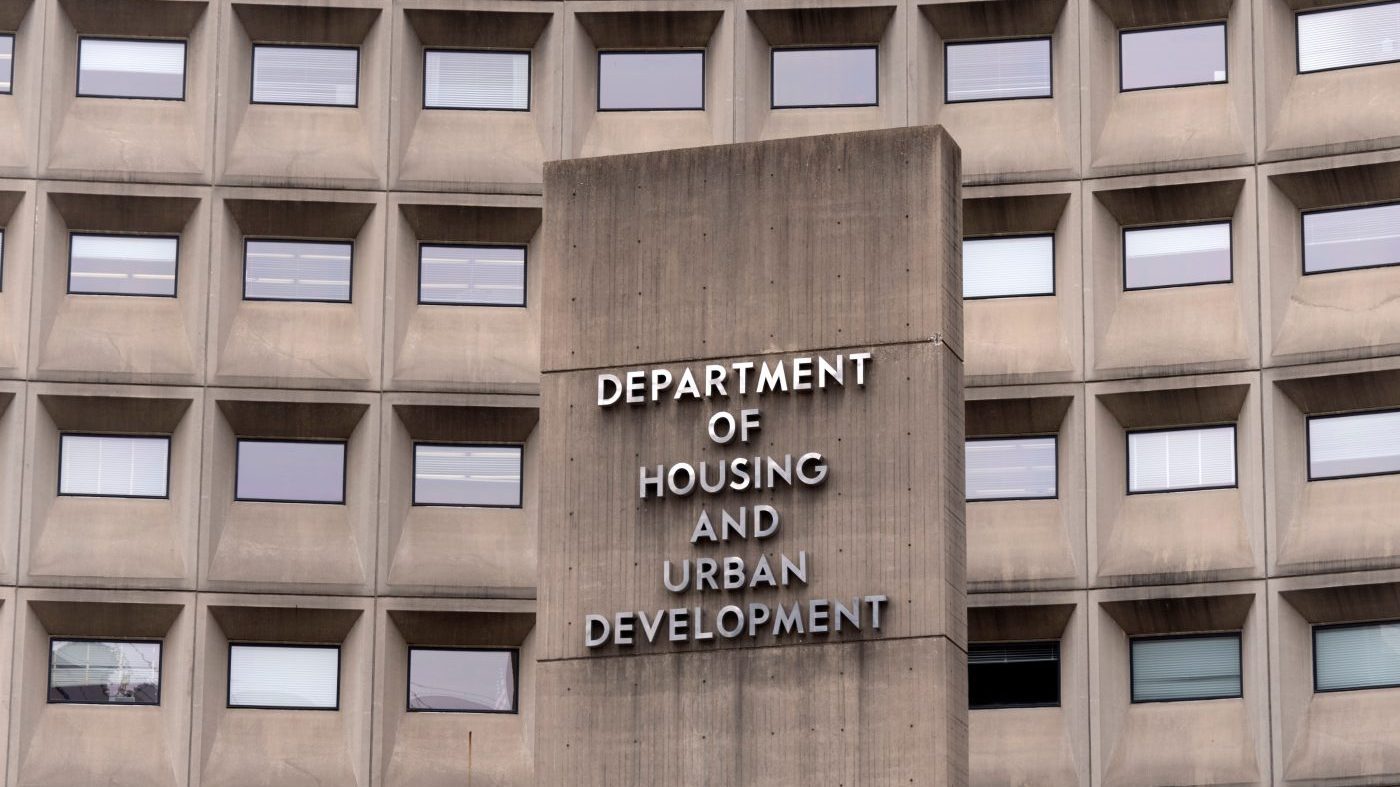
A federal judge on Wednesday dealt a setback to the Trump administration's effort to restructure a long-standing grant program that funds fair housing enforcement, ruling that the Department of Housing and Urban Development (HUD) did not adequately justify the sweeping changes.
U.S. District Judge Myong Joun, a Biden appointee, sided with fair housing groups that challenged the administration's proposal to consolidate funding under the Fair Housing Initiative Program (FHIP), which has for decades provided grants to nonprofits that investigate housing discrimination and assist tenants and homebuyers.
The ruling comes as the administration has pursued a broader deregulatory agenda across federal agencies, including efforts to reshape how civil rights protections are enforced. The decision is a notable legal rebuke to HUD's attempt to reorient the program, and it could have implications for other grant programs facing similar overhauls.
What the administration proposed
Under the original framework, HUD distributed more than 100 grants annually, with amounts ranging from $75,000 to $425,000, according to attorneys for the plaintiffs. The administration instead proposed channeling $46 million of the $56 million appropriated by Congress into just five larger awards. One grant of $25 million was earmarked for a law school, and another $10 million would go to a state or local agency.
The National Fair Housing Alliance and the Massachusetts Fair Housing Center filed suit in July, arguing that the consolidation would strip funding from many organizations that rely on the grants to carry out enforcement work. They contended that the shift would effectively gut the program's reach and undermine its core mission.
Judge's ruling
Judge Joun agreed, writing that HUD had not explained why such a dramatic change in funding distribution was necessary. He noted that the restructure "effectively bars the very housing organizations that have been effectuating FHIP's mission year after year since its enactment." The judge ordered the agency to return to its original funding framework.
The administration defended the changes as a modernization effort intended to attract a wider range of participants and to impose new policy requirements on recipients, including compliance with the administration's positions on "gender ideology" and immigration. Those conditions were part of the broader push to align federal grants with executive priorities, similar to measures seen in other agencies.
Lila Miller, an attorney for the fair housing groups, praised the ruling, telling Reuters that it "rightfully recognizes the stakes at issue and protects the rule of law." The decision is likely to be appealed, but it marks a significant early check on the administration's approach to administering civil rights programs.
The ruling also comes amid broader political tensions over housing policy and federal enforcement. As the administration faces scrutiny over its handling of various regulatory matters, this case highlights the ongoing legal battles over the scope of executive power. For more on related political developments, see state lawsuits against Title X changes and GOP concerns over midterm fallout.
HUD has not yet indicated whether it will appeal the ruling or seek to revise its proposal. The case will continue in federal court, with the future of the Fair Housing Initiative Program hanging in the balance.