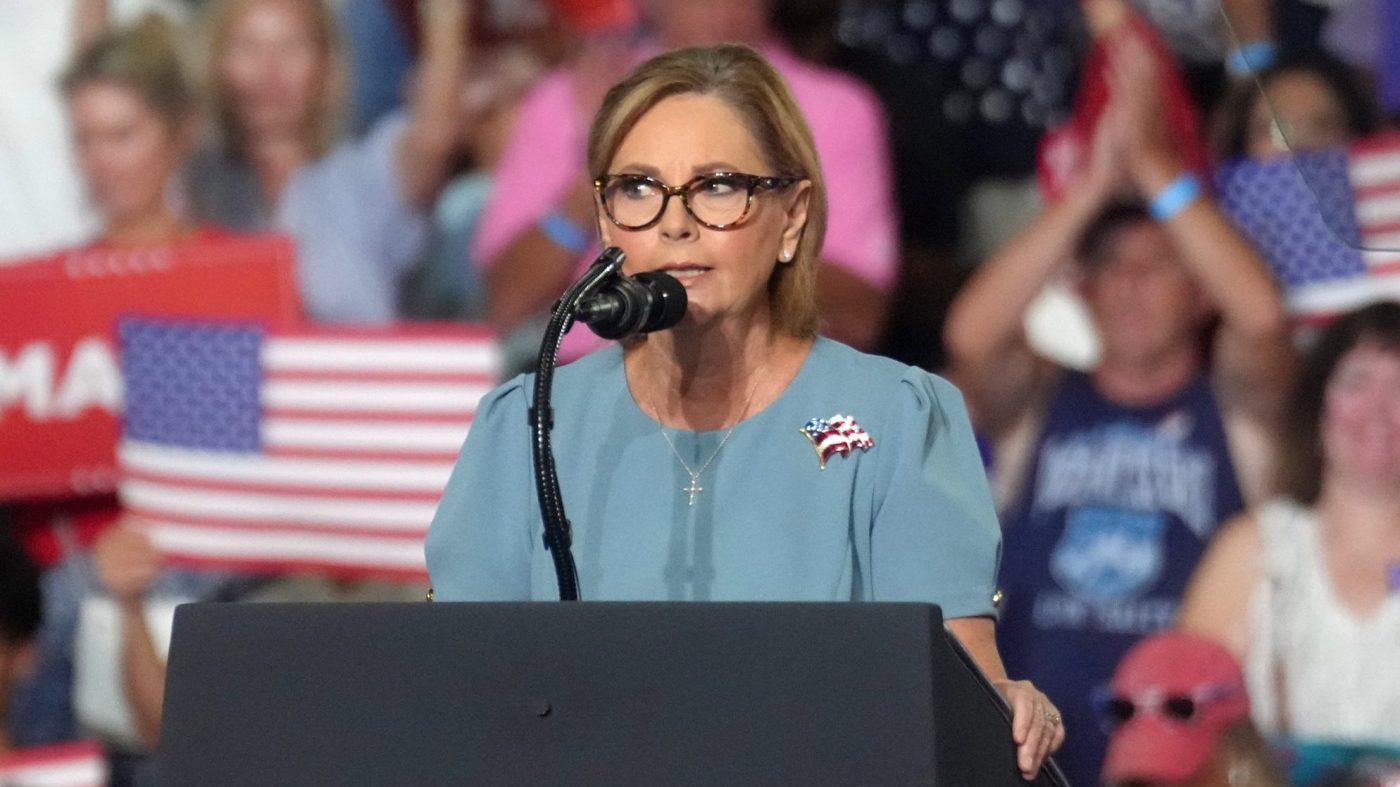
Sen. Darline Graham (R-S.C.) on Saturday broke with President Trump over his decision to waive sanctions on Russia, saying she would prefer to keep the pressure on Moscow. In an interview with The Associated Press, Graham said she shares Trump's goal of ending the war in Ukraine and lowering energy prices, but she does not trust Russian President Vladimir Putin.
“The president and I share the same goal, which is to end the war, get gas and diesel prices down, and the sanctions bill is one of the tools we can use to do that. It's up to him whether or not he chooses to use it,” Graham said, referring to Trump's upcoming visit to South Carolina. “Personally, I would choose to keep the pressure on Russia to end the war and get the gas prices low, because I don't trust Putin and I don't trust Russia.”
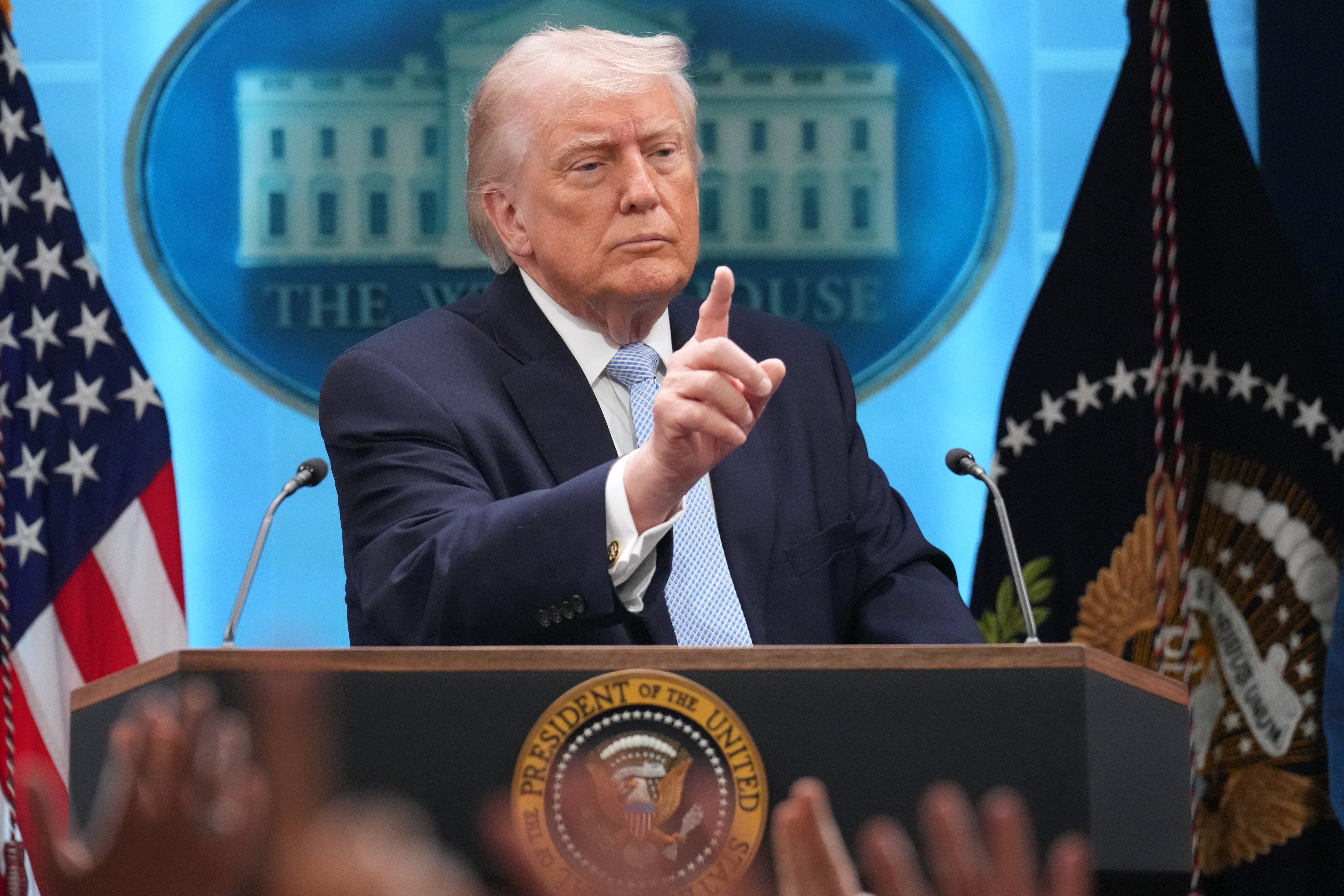
Trump's executive order, issued under Section 115 of the Lindsey O. Graham Sanction Russia and Iran Act, paused the sanctions just two days before they were set to take effect. The law, named after Darline's late brother, Senator Lindsey Graham, who died unexpectedly in July, had passed both chambers with overwhelming bipartisan support. Darline, who was endorsed by Trump and succeeded her brother, said the legislation “meant a lot” to him.
The waiver has drawn sharp criticism from within the GOP. Senator Thom Tillis (R-N.C.) called it “beyond irresponsible” and “unconscionable” that the administration is “capitulating to a Russian dictator who illegally invaded Ukraine and butchers innocent civilians every single day.” Tillis's remarks on social platform X reflect a growing unease among some Republicans about Trump's approach to Moscow.
Energy Secretary Chris Wright defended the waiver on Sunday, arguing it was intended to add pressure to end the war and was not an “economic lifeline” for Russia. But the administration's decision to also import around 2.2 million tons of Russian diesel into the U.S. market has fueled further GOP backlash. Some lawmakers, including Rogers, have flagged risks in the deal, especially as energy prices remain a concern in states like Michigan.
Darline Graham's stance places her at odds with the president who endorsed her, but she emphasized that her priority is the national interest. “I don't trust Putin and I don't trust Russia,” she reiterated, signaling that her late brother's hawkish legacy continues to influence her thinking. The freshman senator's comments come as Trump has defended the waiver, citing ongoing peace talks.
Meanwhile, Ukrainian President Volodymyr Zelensky has urged Trump to reverse the diesel deal, citing trust issues despite the tensions. Former Vice President Mike Pence has also called on Trump to reverse the sanctions waiver and scrap the diesel deal, adding to the chorus of criticism from within the Republican establishment.
The dispute highlights a broader rift in the GOP over how to handle Russia. While some Republicans support Trump's transactional approach, others, like Graham and Tillis, argue that maintaining pressure on Moscow is essential for both security and energy stability. As the administration moves forward, the debate is likely to intensify, particularly with midterm elections on the horizon.