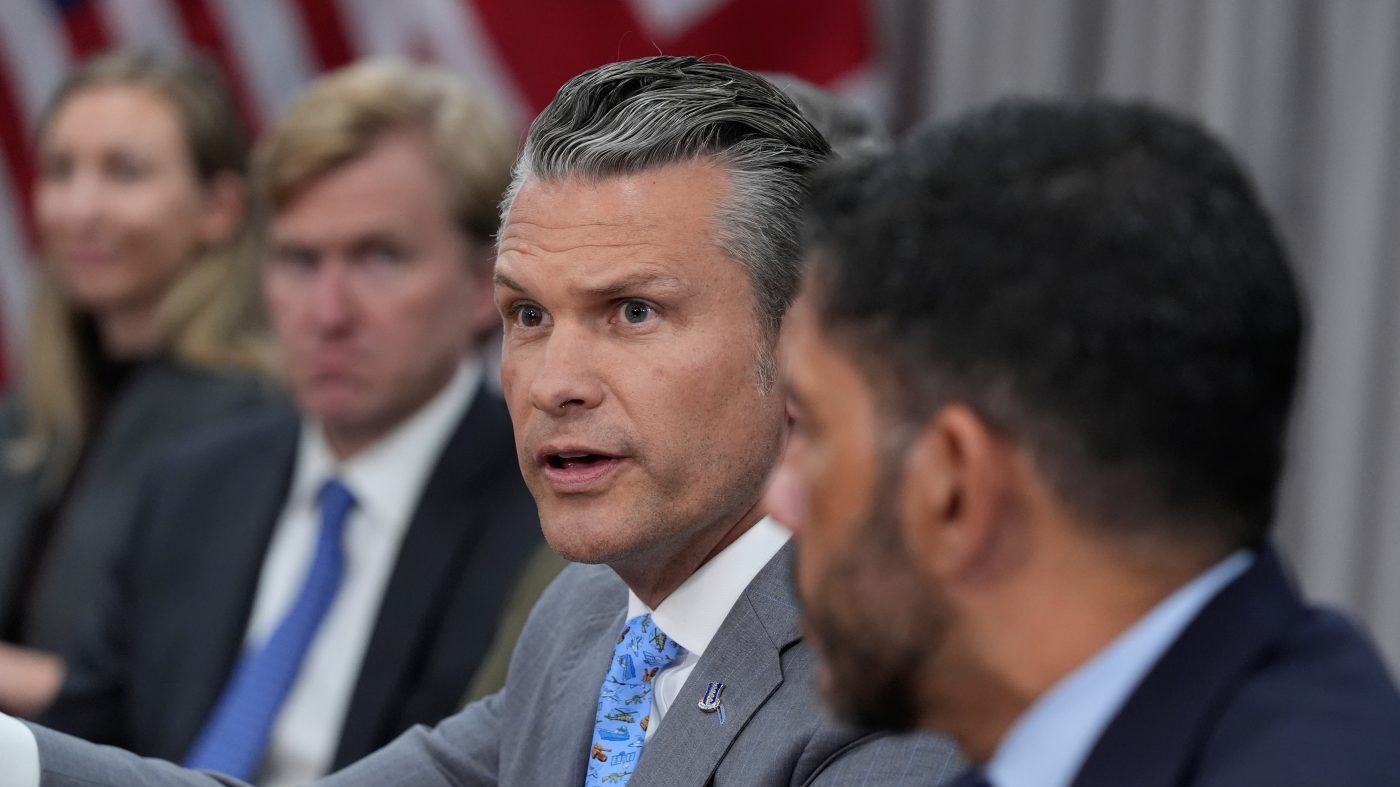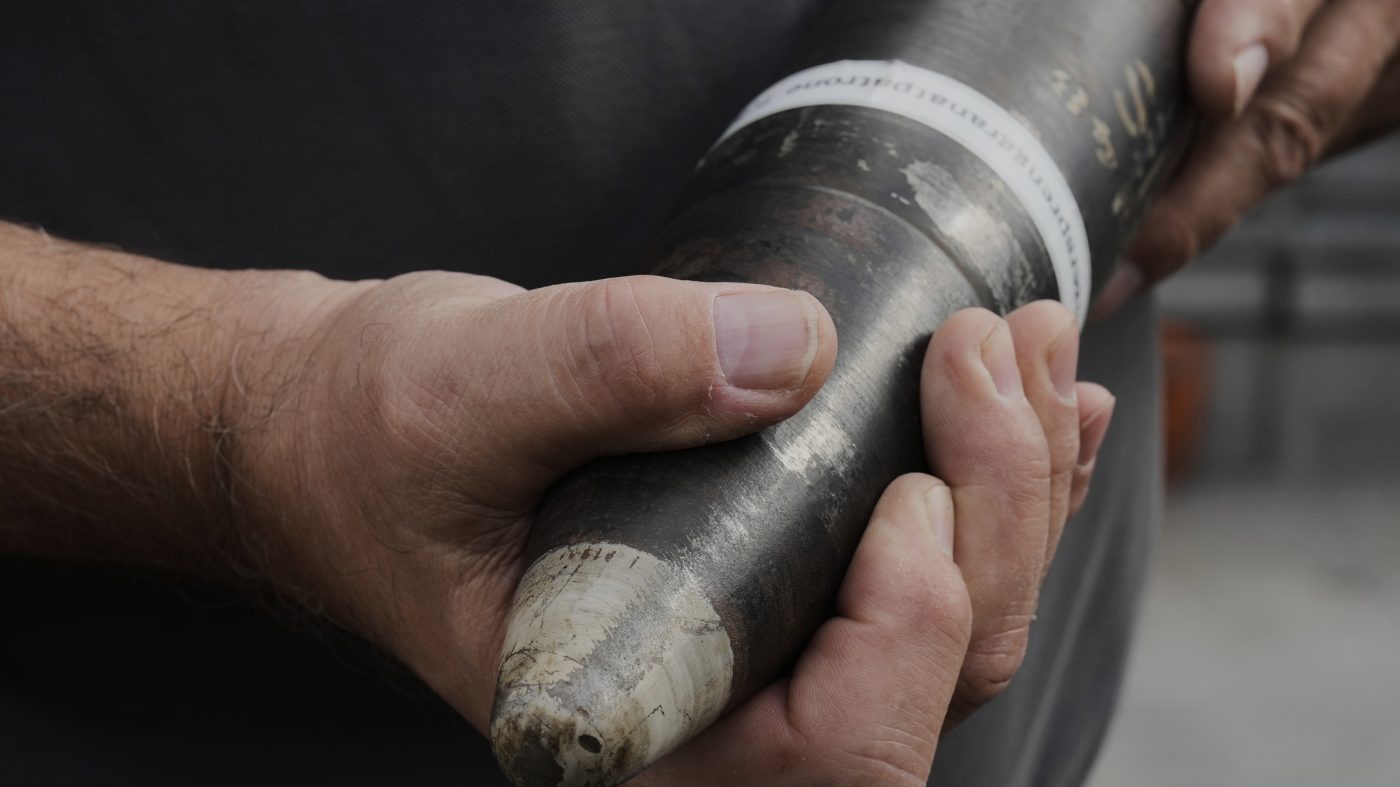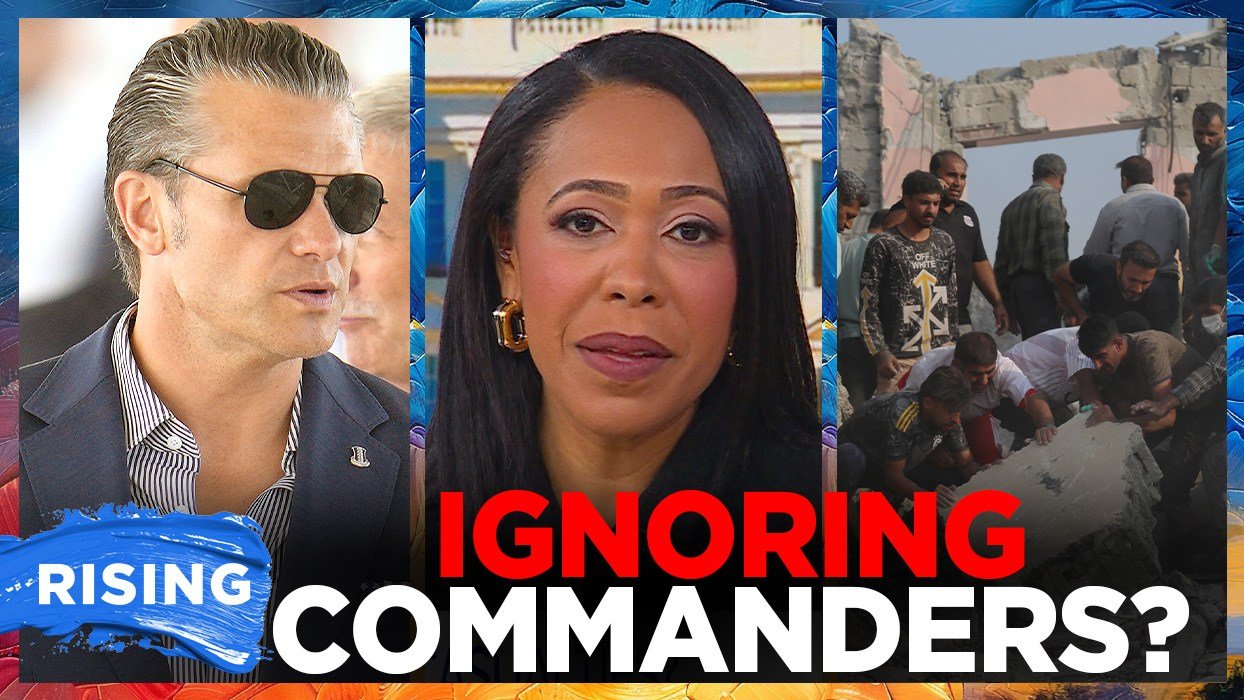
New reporting from ProPublica has exposed a stark disconnect between Defense Secretary Pete Hegseth and his top military commanders. According to the investigation, Hegseth polled senior leaders about eliminating the Civilian Harm Mitigation and Response program — designed to reduce civilian casualties during U.S. operations — and then proceeded with the cut despite overwhelming opposition.
Central Command, which oversees U.S. military activities across the Middle East, explicitly warned that dismantling the program could increase the risk of misidentifying targets and degrade battlefield awareness. The command argued that the initiative enhanced precision and accuracy, making it a critical component of modern warfare.
Hegseth, however, viewed the civilian-harm mitigation effort as part of a 'politically correct' culture that clashed with his vision of a more aggressive Department of War. He stripped the program of nearly all its funding, even as the U.S. was launching new campaigns in Somalia, Yemen, and Iran.
The consequences of that decision are now under renewed scrutiny following the tragic U.S. airstrike on a school in Minab, Iran, which killed more than 100 children. Hegseth faced congressional questioning over the strike and promised a full investigation, but no public findings have been released. The Department of War reportedly blamed outdated intelligence, yet lawmakers are increasingly asking whether the gutting of civilian-protection capabilities played a role.
In April, eleven senators sent a letter to Hegseth stating that the school strike and other deadly attacks on civilians in Iran reflected 'the administration’s broader disregard for the strategic, legal, and moral imperative to minimize civilian harm.' They called it 'a concerning pattern' that raised questions about adherence to international law and the laws of war.
The new ProPublica reporting adds weight to those concerns. It suggests that Hegseth’s decision to ignore the advice of his own commanders may have directly undermined the military’s ability to protect non-combatants, with devastating results.
Critics argue that true leadership involves listening to experts, not dismissing them. As the investigation into the Minab strike continues, the question remains: did Hegseth’s ideological drive to reshape the Pentagon come at the cost of innocent lives? The evidence increasingly suggests that it did.