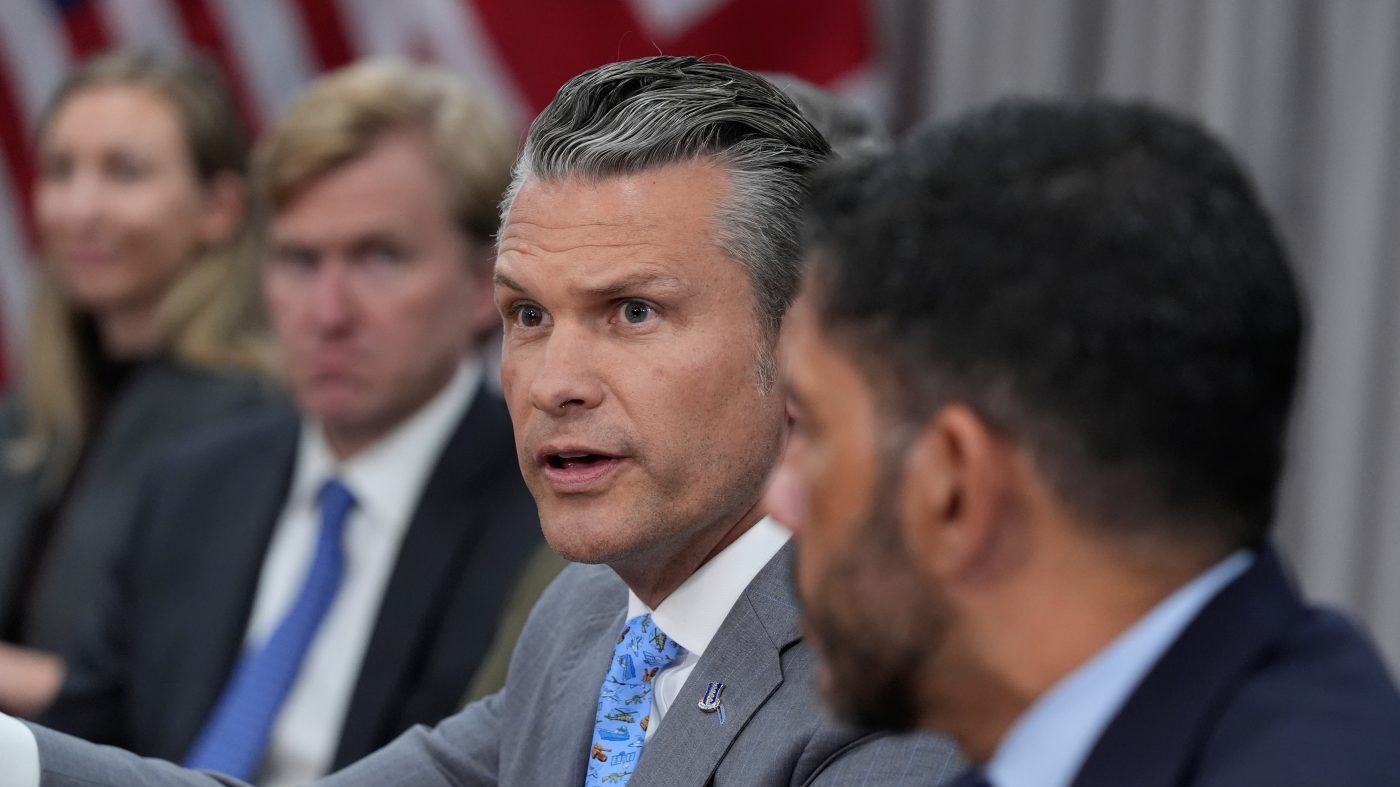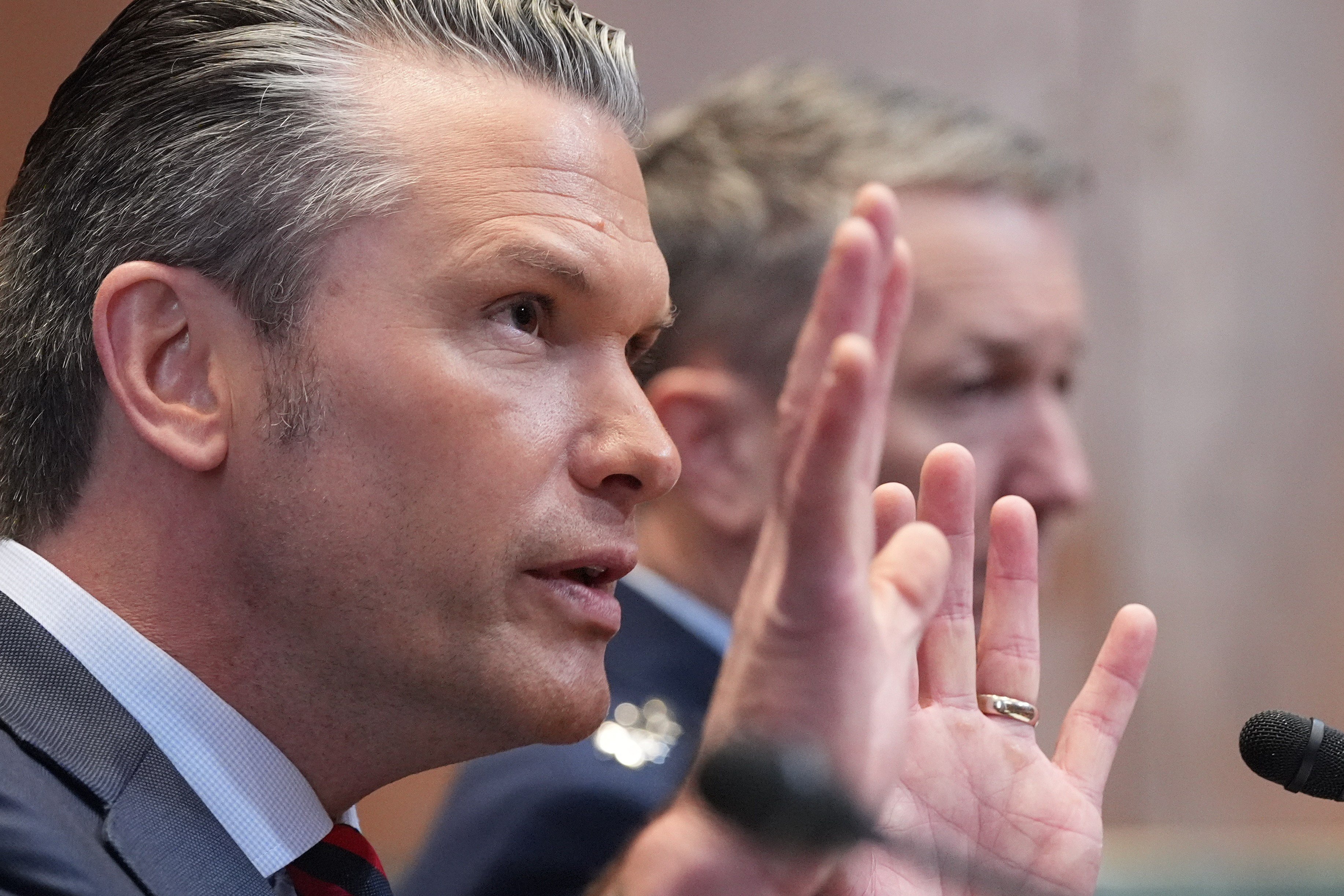
Defense Secretary Pete Hegseth's recent Senate testimony warning that failure to approve the full $1.5 trillion defense budget would endanger the United States is based on exaggerated threats and a misallocation of resources, according to a new analysis from the Cato Institute. The critique comes as the House advances the fiscal 2027 National Defense Authorization Act and the administration's reconciliation package.
Benjamin D. Giltner, a defense and foreign policy analyst at the Cato Institute, argues that such a bloated budget actually weakens America. He contends that the spending fails to align with strategic goals, keeping outdated and costly weapons systems that do not enhance national security.

Wasteful Programs Persist
Giltner points to the retention of the B-1B bomber, which lacks stealth and has higher operating costs than the B-52, and the Minuteman III missile, a decades-old system whose first-strike vulnerability increases crisis instability. Lawmakers justify these programs by citing a broad range of threats, but this approach avoids necessary cuts.
Furthermore, the Pentagon is pursuing new systems of questionable value, including battleships—a vessel type obsolete since World War II—and a national missile defense that many nuclear experts view as both wasteful and dangerous. Such a defense could incentivize adversaries to launch surprise attacks to improve their chances of penetrating it. Redirecting these billions toward munitions production would be a more prudent investment.
Deferring Costs to Future Generations
The administration downplays the long-term fiscal impact, particularly the interest on borrowed funds. This makes the increased budget appear cost-free to average Americans, avoiding immediate tax hikes or cuts to social services. However, Giltner warns this merely defers the burden, echoing the debt incurred from the Global War on Terror and the Iraq War. Eventually, citizens will face stark choices between deep cuts to social programs, tax increases, or defense reductions.
Defense spending is among the most economically wasteful categories of federal expenditure, Giltner argues. While proponents note that defense outlays represent a small share of GDP, this overlooks that these funds were never necessary and could have been saved for higher priorities.
Economic Strength as Security
The analyst concludes that the Trump administration's approach will weaken economic security, economic power, and ultimately national security. Instead, the administration and Congress should cut the defense budget and reduce America's overseas commitments. This would avoid costly conflicts and preserve economic strength, which is vital for building weapons and maintaining the infrastructure needed to transport military equipment in a crisis.
Rather than wasting money on unnecessary programs, Giltner urges the government to focus on fiscal responsibility and serving the American people. The debate comes amid rising tensions with Iran, where Hegseth has suggested economic pressure is working, but strikes remain an option. Meanwhile, House Democrats are pressing the administration on the potential costs of a conflict.