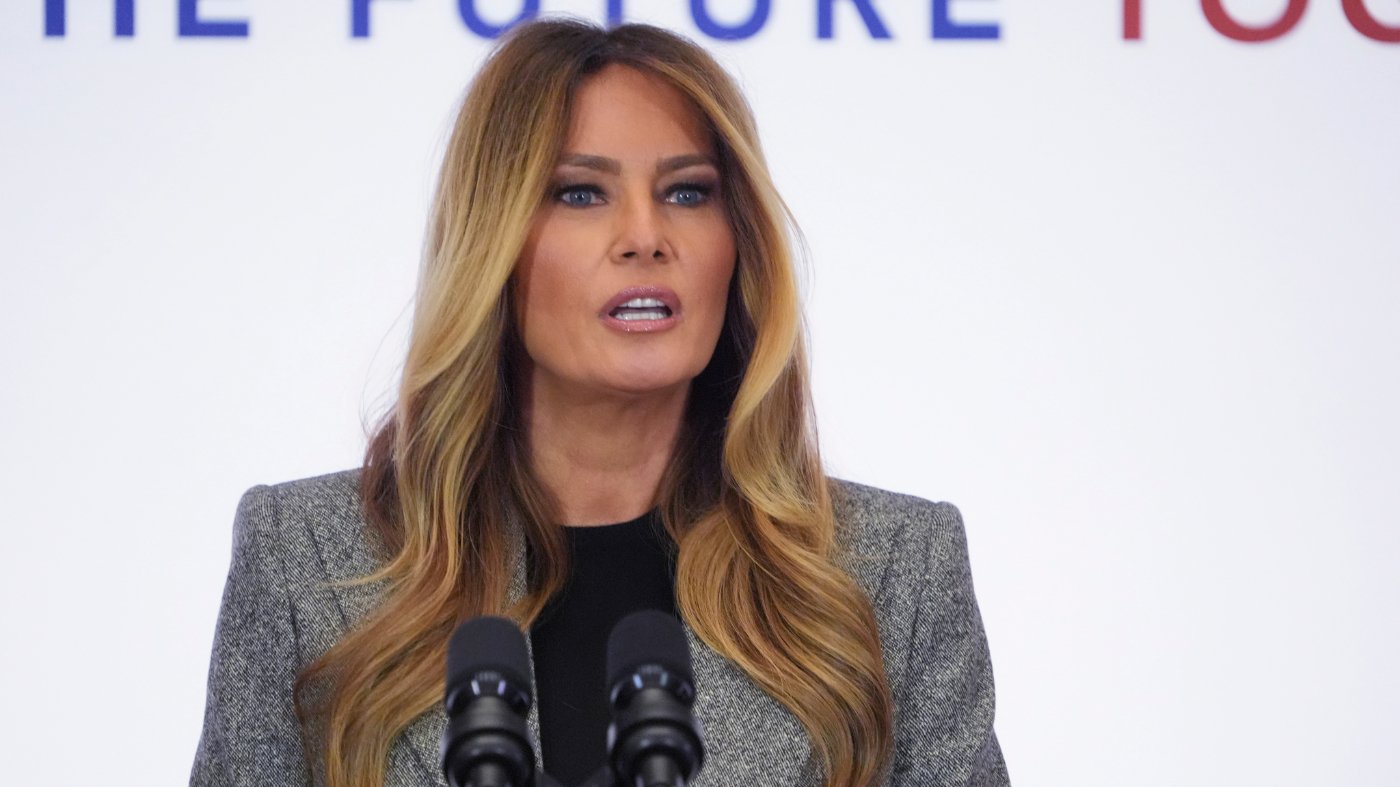
History doesn’t always arrive with a bang. Sometimes it creeps in quietly, and only later do we recognize its significance. That’s the case with the Fostering the Future Accounts, announced earlier this month by First Lady Melania Trump. The initiative enables child welfare agencies to open savings accounts for children in foster care—a change that, while seemingly small, could reshape the trajectory of thousands of young lives.
Under the broader Trump-era savings account program, foster kids were effectively locked out because opening an account required a parent. Many of these children no longer have one who can help. The First Lady’s fix allows agencies to act as stand-in guardians, a move that advocates say is a watershed moment for America’s abused and neglected children.

The stakes are stark. Every year, more than 20,000 young people age out of foster care with no family, no home, and no savings. The consequences are predictable: elevated rates of suicide, homelessness, trafficking, and incarceration. When the state removes a child from their home, it assumes a parent’s responsibilities—including preparing that child for adulthood. For decades, the state has failed at that task. These kids deserve more than a mattress and a case number.
Consider what a savings account could mean. A single $5,000 gift could grow to nearly $20,000 by the time a child turns 18. Instead of leaving foster care with a backpack of hand-me-downs, a young adult could step into the world with a bank account and a debit card—money for a security deposit, a used car, tuition, or groceries. It’s the kind of cushion most families provide without a second thought.
To be clear, no program can replace the love and stability of a family. That should always be the goal for every child in foster care. But not everyone is called to foster or adopt. This initiative opens a door for the rest of us: charities, churches, foundations, and individuals can contribute directly to a named account for a child in their community. There’s no dollar limit.
The potential is enormous. Michael and Susan Dell pledged $6.25 billion to seed accounts for 25 million children, one of the largest private commitments to kids in American history. Ray and Barbara Dalio added $75 million more. To put that in perspective: seeding a $1,000 account for every one of the 400,000 children currently in foster care would cost about $400 million—a fraction of the Dell pledge alone. Billionaires aren’t required, though. Friends, neighbors, local businesses, and charitable foundations working together can fund these accounts.
So far, nearly two dozen governors have committed their states to the program. Every governor, regardless of party, should follow suit. No child chooses their state’s politics, and their future shouldn’t depend on it. The First Lady has brought visibility to children who’ve spent too long in the shadows. For more on the broader policy context, see our coverage of the launch of these accounts and how they fit into the administration’s agenda.
The accounts go live on July 4. Independence Day feels fitting. Somewhere in your community tonight, a teenager in foster care is wondering what will happen when the door closes behind them. We have a chance to give that child something more than sympathy. We can give them a beginning.
Darcy Olsen is the founder and CEO of the Center for the Rights of Abused Children. She fostered 10 children and adopted four.