The Democratic Party's internal struggle over Israel has intensified after a slate of candidates backed by New York City's first democratic socialist mayor, Zohran Mamdani, ousted two incumbent House Democrats in last week's primaries. The contests, unusually focused on the Gaza war, saw Mamdani's allies weaponize the issue against their opponents, accusing them of insufficient criticism of Israel's military campaign and of accepting donations from AIPAC-aligned groups.
The results have laid bare a widening chasm within the party, raising questions about whether such divergent positions can coexist and whether the outcomes in deep-blue districts could undermine Democratic candidates in swing states ahead of the midterms. Matt Bennett, co-founder of the centrist think tank Third Way, told The Hill: “When it comes to Israel, it’s absolutely evident that a small but very vocal sector of the Democratic electorate not only is very angry at Israel, but has made it their only issue.” He added, “There’s no doubt that this issue is roiling the party right now.”
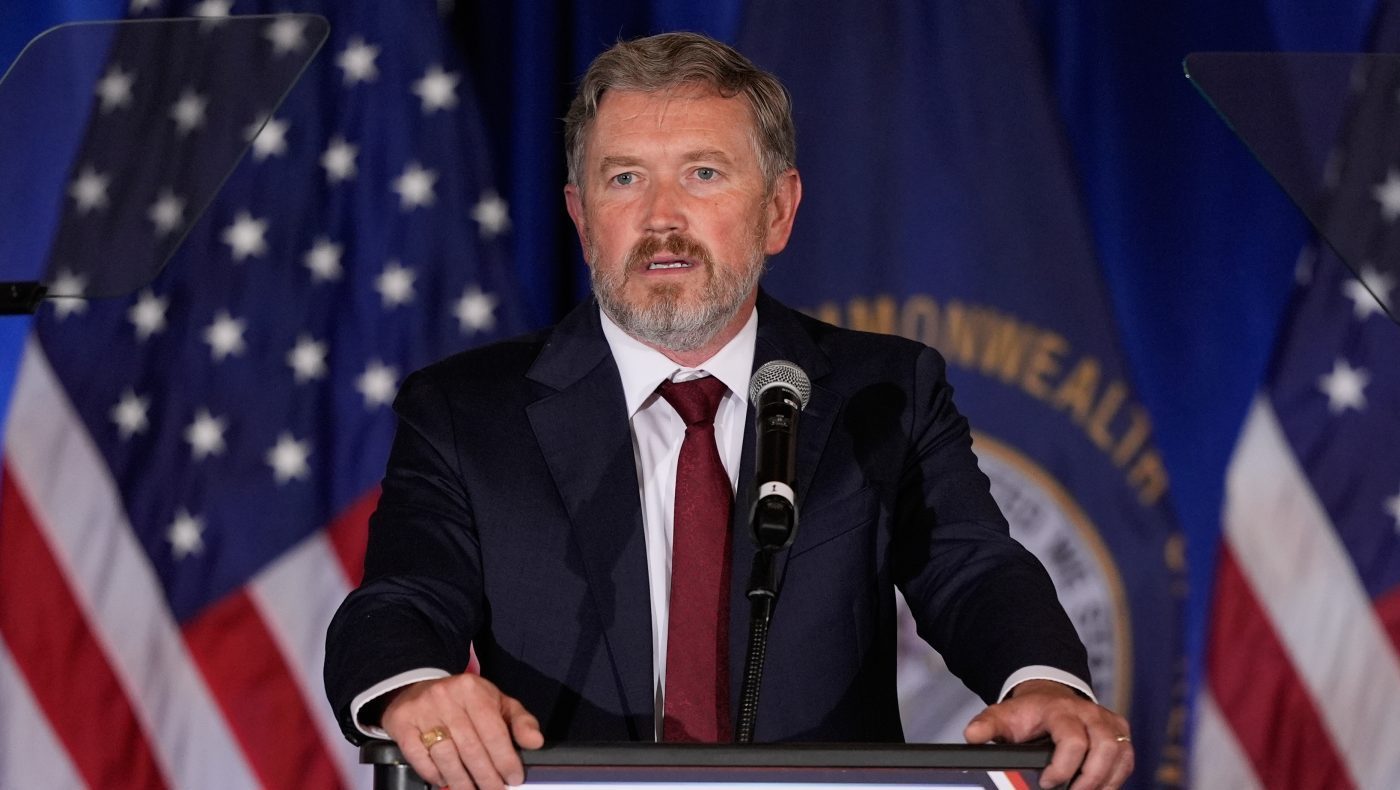
In New York's 10th Congressional District, former city comptroller Brad Lander made Israel a defining campaign issue, repeatedly calling on incumbent Rep. Dan Goldman (D-N.Y.) to label Israel's actions in Gaza a “genocide.” Goldman, though critical of Prime Minister Benjamin Netanyahu, refused. Before the results were known, he told CNN: “If I lose because of that, then so be it. I’ll wake up on Wednesday morning, and I will proudly look myself in the mirror and know that I stood with my values and my morals.” Goldman lost, and in his concession speech, he urged party unity, saying, “The Democratic Party has always been at its strongest when it has welcomed a broad coalition of voices.”
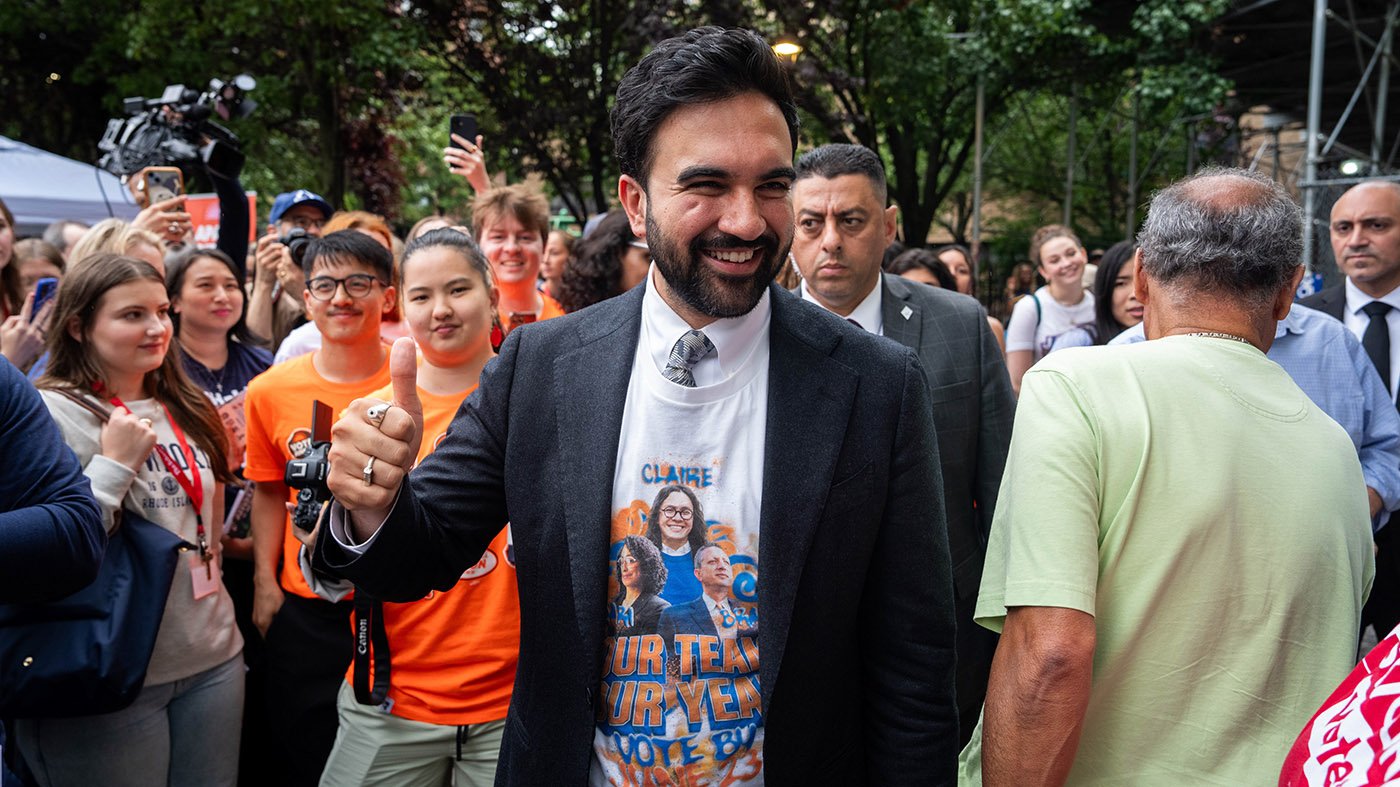
Mamdani also endorsed two other democratic socialist candidates with critical views of Israel. Community organizer Darializa Avila Chevalier defeated Rep. Adriano Espaillat (D-N.Y.), chair of the Congressional Hispanic Caucus, while New York Assembly member Claire Valdez won an open primary to succeed retiring Rep. Nydia Velázquez (D-N.Y.), who had backed a different candidate. Mamdani's limited endorsements have fueled speculation about the scope of his political influence and what the results signal for the party's direction.
House Minority Leader Hakeem Jeffries (D-N.Y.), who supported the incumbents, downplayed the significance of the DSA candidates' wins. “There are 215 members of the House,” Jeffries said. “A handful of primaries that go in one direction or the other in a given state or two aren’t going to reshape who we are as House Democrats.” Yet he acknowledged “strong disagreements” with Mamdani over the endorsements, adding that “he’s got work to do in terms of the conversations that he’s going to have with members of Congress moving forward.”
The divide has drawn sharp reactions from prominent Democrats. Pennsylvania Gov. Josh Shapiro (D) said he has “profound differences” with Avila Chevalier, while Sen. John Fetterman (D-Pa.) called the candidates “outrageous” and part of a “pro-Hamas wing” waging war on “regular Democrats.” Longtime strategist James Carville went further, arguing Avila Chevalier should not be seated in the Democratic caucus because “her views are totally against anything that any Democrat has.”
On the left, Rep. Ro Khanna (D-Calif.) praised Valdez for “a clear moral vision on foreign policy,” stating that the “progressive movement is on the ascendancy.” Rep. Adelita Grijalva (D-Ariz.) told The Hill the results should serve as a wake-up call: “It’s becoming a bigger issue that the party needs to deal with more comprehensively than, like, ‘If I don’t talk about it, it doesn’t happen.’”
Moderate Rep. Tom Suozzi (D-N.Y.) argued that Democrats opposed to the DSA have failed to organize effectively. “People who do not support the Democratic Socialists of America wring their hands at cocktail parties while the DSA is organizing,” he told CNN. “It’s time for a great deal of hard work to out-organize the extremists on the right and the left.” Veteran strategist Hank Sheinkopf agreed the DSA candidates “ran much better campaigns,” but noted Israel's role was unmistakable. For more on the broader implications, see our analysis of the socialist surge and how the establishment lost control.