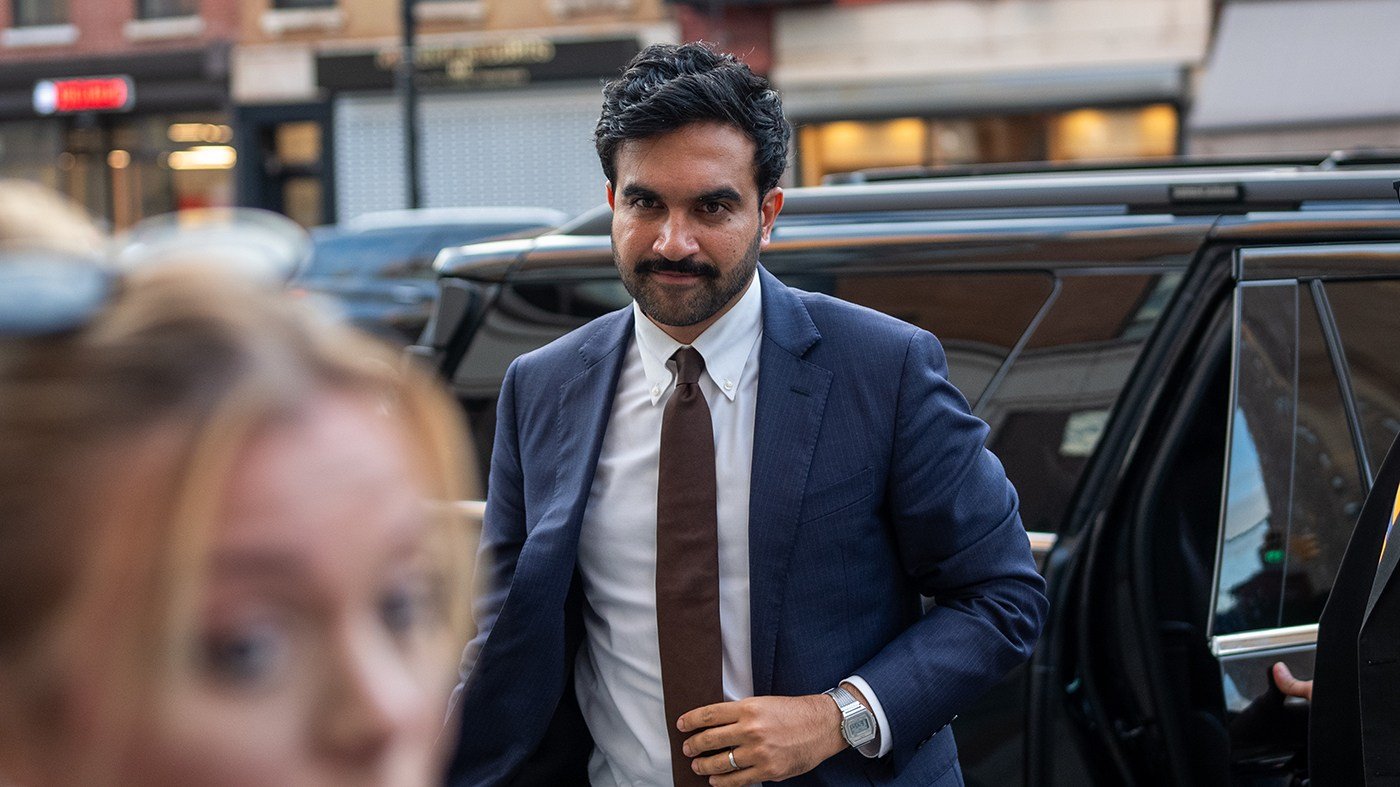
A fresh survey from Bowling Green State University indicates that Democrats are currently ahead in both of Ohio's marquee statewide contests, a notable shift in a state that has trended Republican in recent cycles.
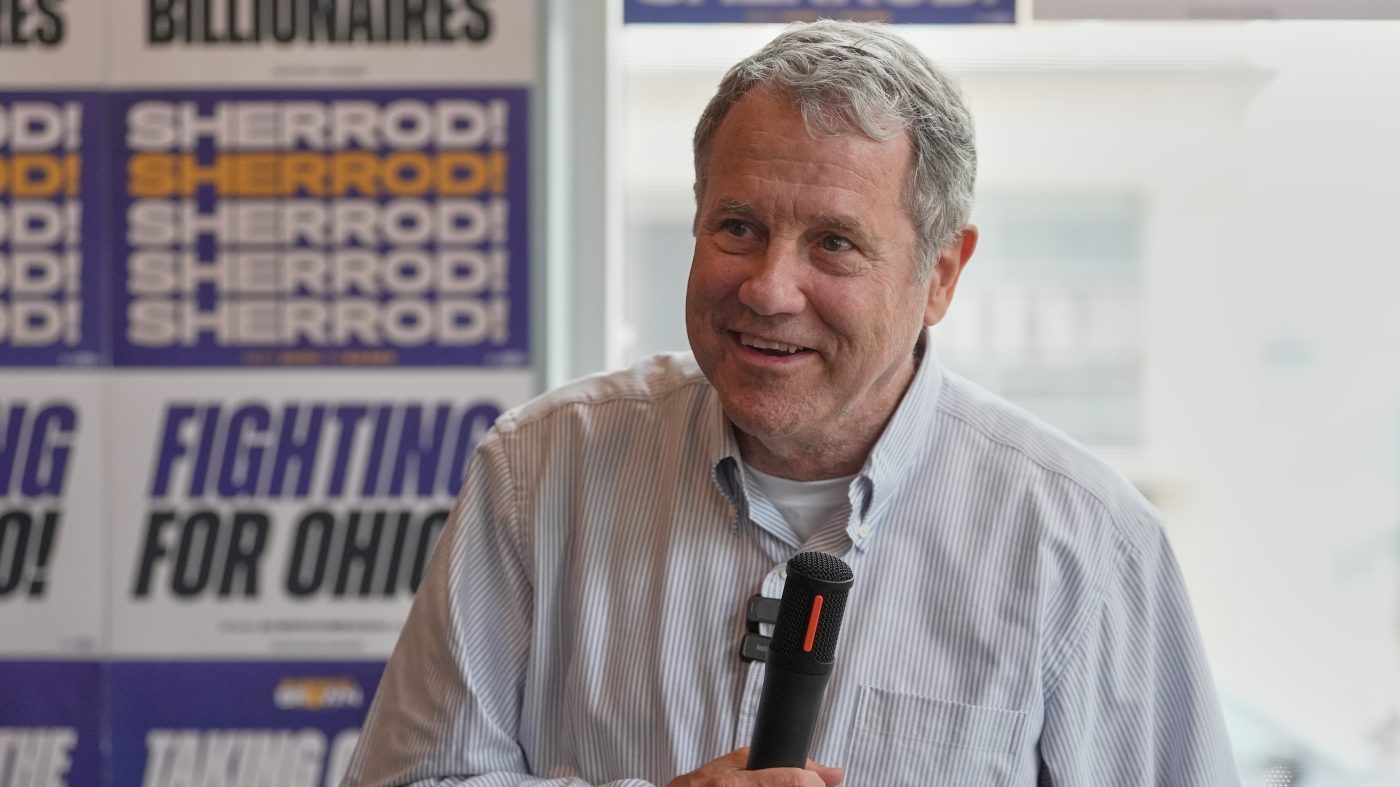
In the Senate race, former Sen. Sherrod Brown holds a 6-point edge over Republican Sen. Jon Husted, with 48 percent support among likely voters compared to Husted's 42 percent. That margin has doubled since September, when Brown led by just 3 points. The survey also shows that Ohioans are now evenly split on who they expect to win, with 48 percent predicting a Brown victory and 48 percent favoring Husted—a change from the previous poll, when more voters thought Husted would prevail.
Meanwhile, in the governor's race, Democrat Amy Acton leads Republican Vivek Ramaswamy by 6 points as well, 50 percent to 44 percent. Acton's advantage has also grown from a 3-point lead in September. However, a majority of voters, 55 percent, still believe Ramaswamy will ultimately win, though that expectation gap has narrowed from earlier in the cycle.
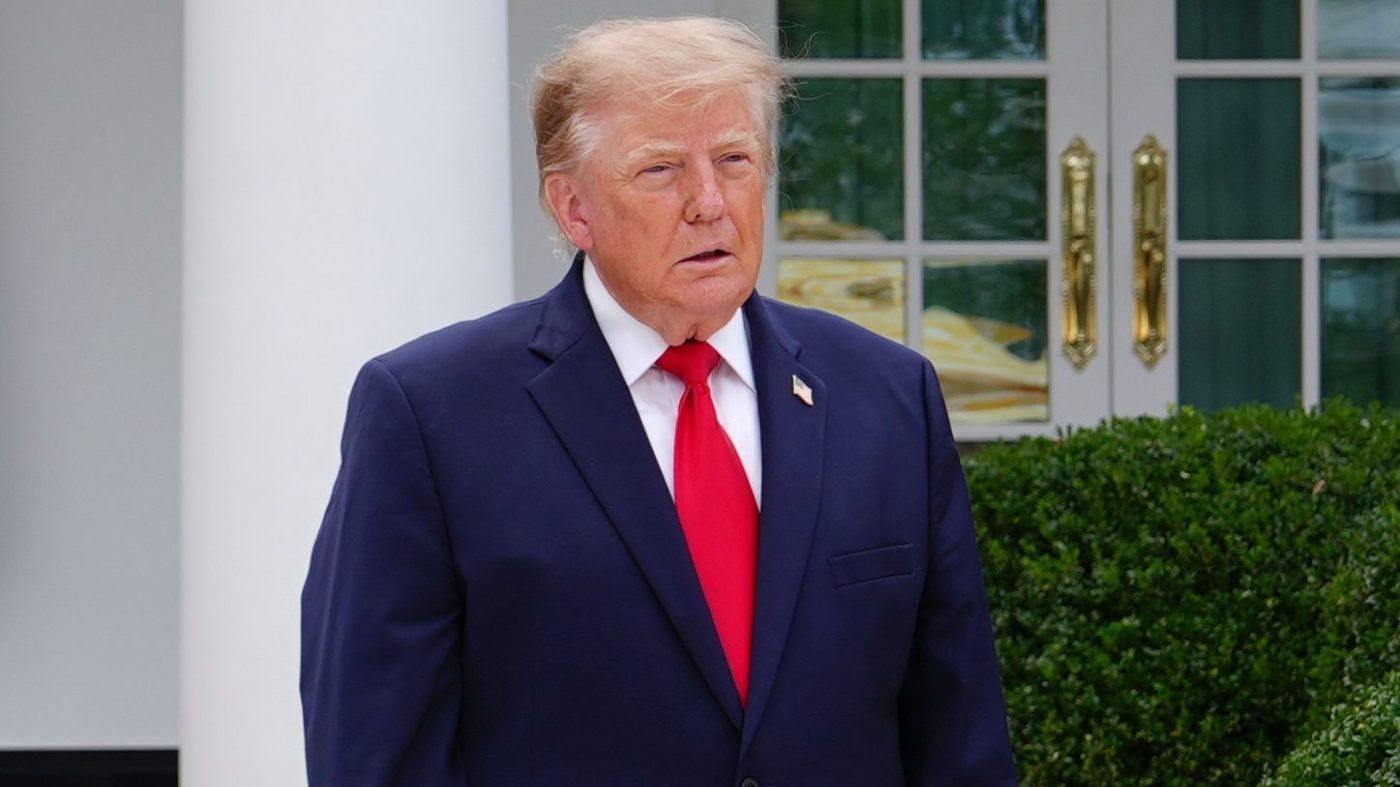
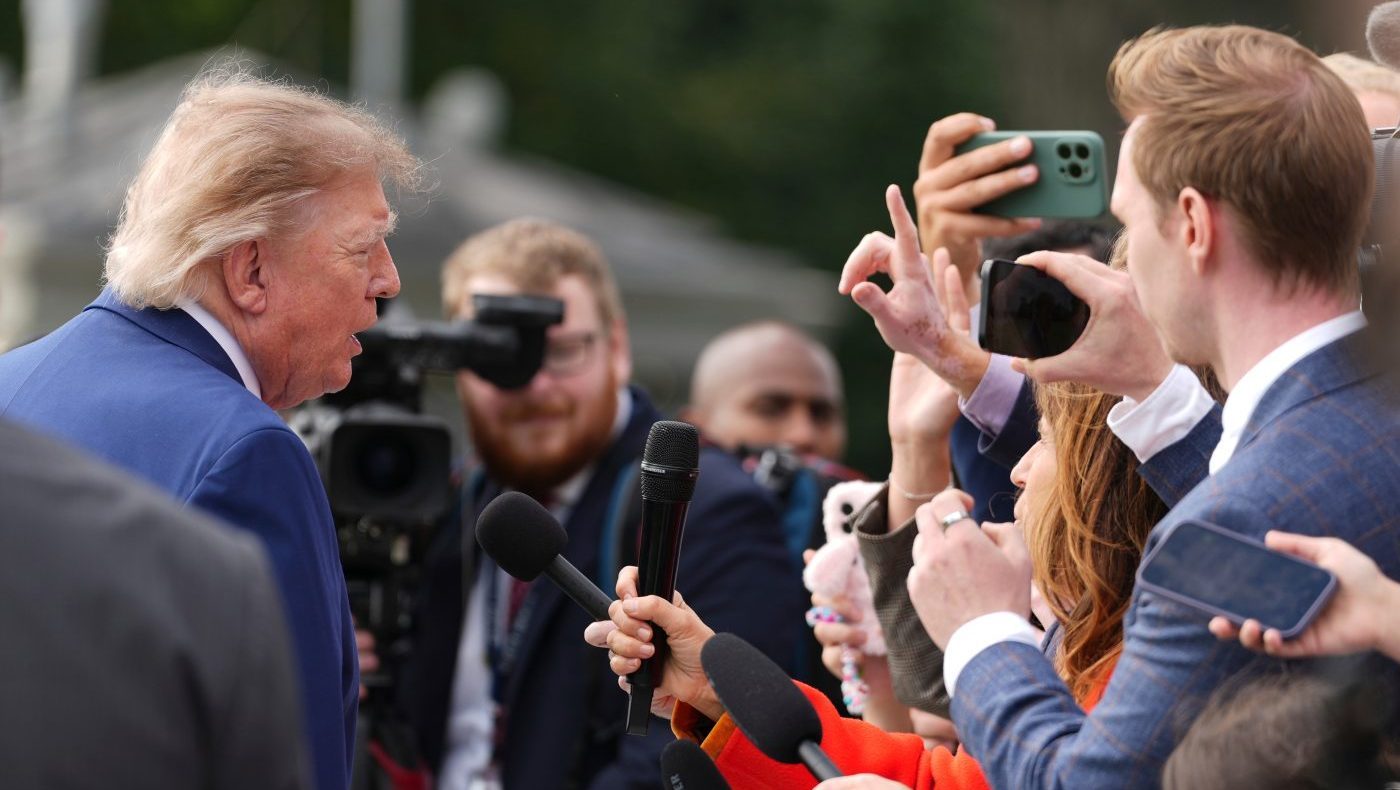
The results come as Ohio's political landscape has shifted decisively toward the GOP over the past decade. President Trump carried the state in 2016 and again in 2024, when he defeated Kamala Harris by 11 points. Brown himself lost his Senate seat in that same election by 3.5 points, making the current polling a potential bellwether for a Democratic comeback.
BGSU's survey also highlights a Democratic enthusiasm gap: 59 percent of Democratic likely voters say they are highly motivated to cast ballots, compared to 41 percent of Republicans. That gap, while still favoring Democrats, has narrowed since September.
Robert Alexander, a political science professor at BGSU, cautioned against reading too much into the numbers. "While this will be welcome news to Democrats, a blue wave in Ohio is far from a sure thing," he said. "Republicans have closed well in recent statewide elections, and I would be surprised if these races did not end up within the margin of error in either direction."
Nonpartisan forecaster Decision Desk HQ, which partners with The Hill, agrees the Senate race is tight, giving Brown only a 53 percent chance of flipping the seat. The contest has been flooded with political advertising, and Ohio voters are showing signs of fatigue—just 6 percent said they want to see more ads before Election Day, while 60 percent said the ads are largely negative and have caused them to tune out.
"Ohio voters remain deeply engaged in this election, but they are also telling us that the nonstop barrage of political advertising has become overwhelming," Alexander added.
The poll, conducted with YouGov, surveyed 1,000 likely voters online from Sept. 29 to Oct. 9 and has a margin of error of 3.95 percentage points.
These findings arrive as national trends show Democrats gaining ground in key House races, and as Senate Democrats outline their agenda should they regain the majority. The Ohio results could signal broader momentum for the party heading into November.