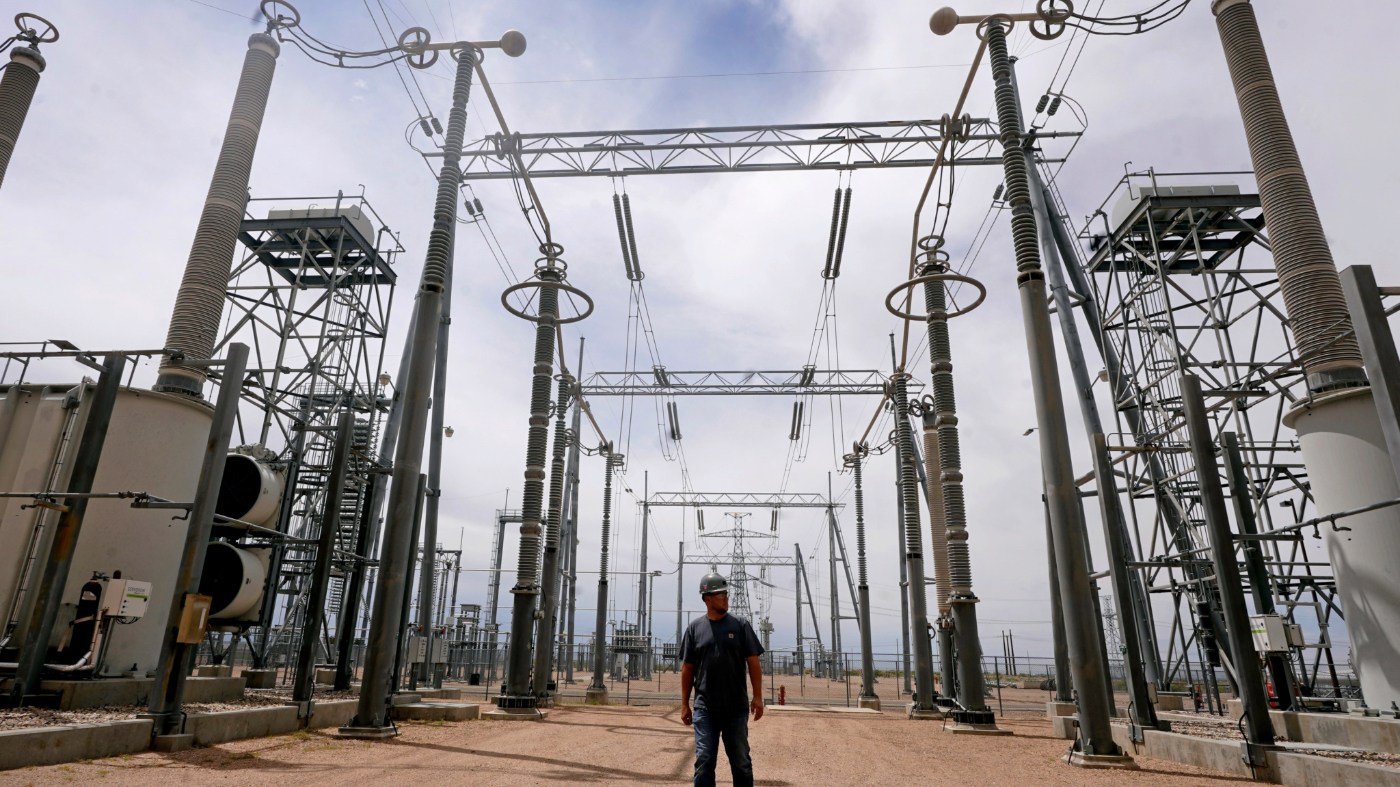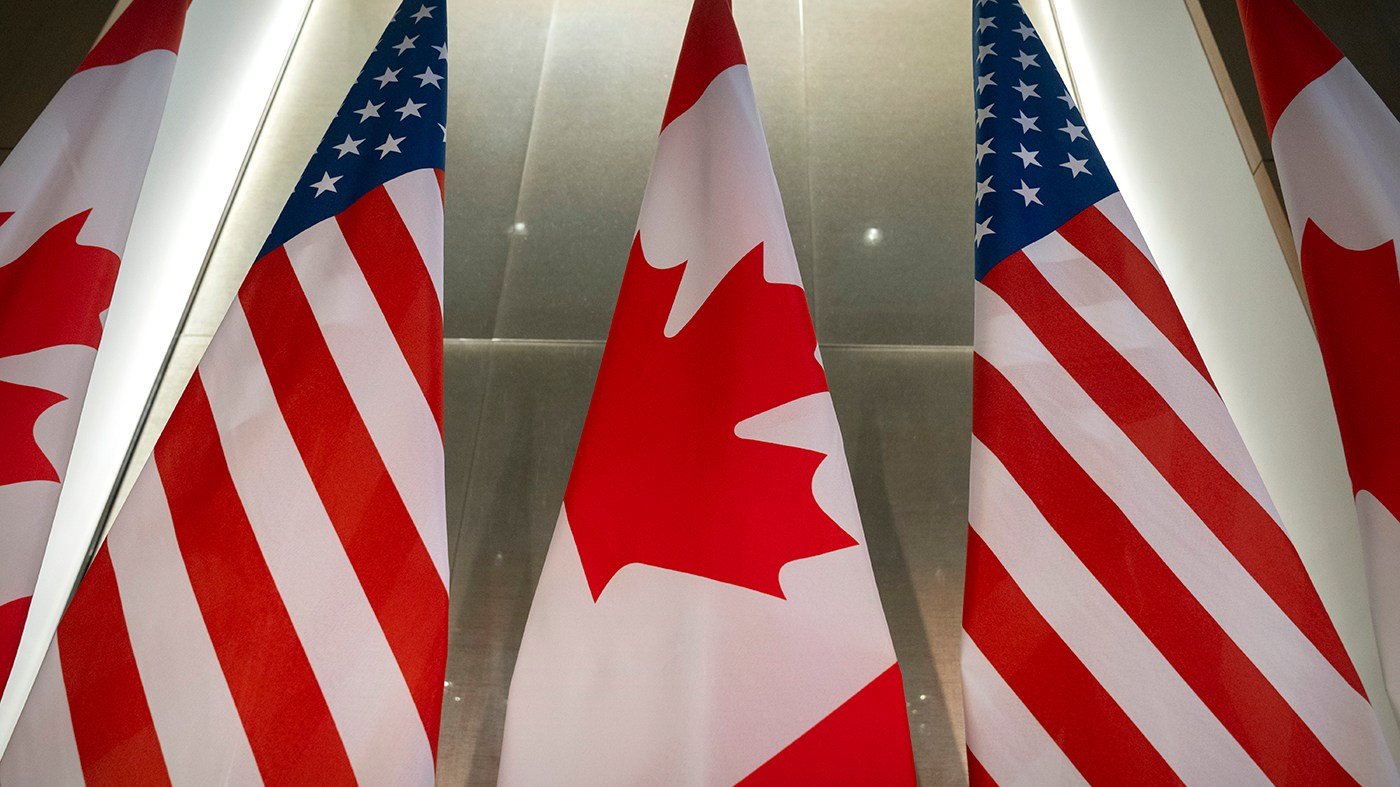
Ontario Premier Doug Ford has escalated the trade conflict with the United States by threatening to cut off electricity exports, a move that could drive up power costs for American consumers in several northern states. In an interview with the Associated Press on Monday, Ford stated that "everything is on the table," including halting the province's electricity supply to the US. He emphasized that Ontario powers 1.5 million homes and businesses, adding, "I'll do whatever it takes."
During a Wednesday press conference, Ford called for a coordinated Canadian response, noting that Ontario is not the only province exporting electricity to the US. "Everything's on the table, but I can't do it alone," he said. "We need a Team Canada approach." This threat comes on top of Canada's retaliatory tariffs on $27.6 billion in US goods, including steel, aluminum, fish, and cheese, following Washington's imposition of a 50 percent tariff on $20 billion worth of Canadian products.

While Canada supplies less than 1 percent of total US electricity, the impact is unevenly distributed. States in the Northeast, such as New York and New England, rely more heavily on Canadian power. If exports are cut, grid operators would need to switch to more expensive natural gas plants, potentially raising wholesale prices and increasing carbon emissions, according to John Parsons, a senior lecturer at MIT's Sloan School of Management.
Parsons estimated that a complete shutdown of Canadian electricity could cost US consumers between $300 million and $600 million annually. However, Doug Arent, a global fellow at Columbia University's Center on Global Energy Policy, noted that a unilateral move by Ontario would be largely symbolic, since the province alone would not cause a significant supply disruption. But if multiple provinces joined, Arent said, the Northeast could see price spikes if the cutoff lasted more than a few days.
Grid operators are closely monitoring the situation. NYISO, which manages New York's grid, said it anticipates adequate supplies to meet demand, despite receiving power from Ontario. Kevin Lanahan, NYISO's senior vice president, noted that the US and Canada operate one of the most integrated electric grids globally, with system operators pooling resources for reliability. Similarly, ISO New England stated it would not expect reliability issues under typical weather conditions, but warned that reduced imports would likely lead to higher wholesale prices and increased emissions.
The uncertainty is complicating planning for energy operators. Trevor Sutton, a senior research scholar at Columbia, said that the fluid nature of the trade dispute—where both sides threaten and then withdraw measures—makes it "almost impossible" for utilities to plan. This comes as Americans are already facing rising electricity bills, with costs up 4.2 percent year-over-year in July, outpacing general inflation.
Parsons pointed out that infrastructure upgrades and growing demand from data centers are driving price increases. He added that while Canadian electricity is a relatively small part of the bill, "everybody is already up in arms about their electric bill, so everything that adds to it is a problem." The threat also highlights the broader trade tensions, as seen in the Maine lobster industry's warnings of collateral damage from the tariff spat.
As the standoff continues, the potential for higher energy costs adds another layer to the economic impact of the trade war, which has already drawn criticism from economists and policymakers. Some have called the tariffs irrational and harmful to both economies, while others worry about the long-term effects on energy security and regional cooperation.