The Supreme Court delivered a unanimous decision on June 18 that struck down a federal law barring individuals who use illegal drugs from owning firearms, marking a significant victory for gun rights advocates and drug policy reformers. The ruling, in the case of U.S. v. Hemani, reflects the Court's continued expansion of Second Amendment protections, but critics argue it strains constitutional interpretation to fit modern realities.
The case centered on Ali Hemani, a dual U.S.-Pakistan citizen who was initially investigated for suspected terrorist ties. During a search of his home, Hemani voluntarily surrendered a gun and admitted to using marijuana every other day. Prosecutors charged him under a statute that criminalizes gun possession by anyone who is an "unlawful user of or addicted to any controlled substance." However, the government did not allege that Hemani was addicted or that his drug use posed a danger to others.
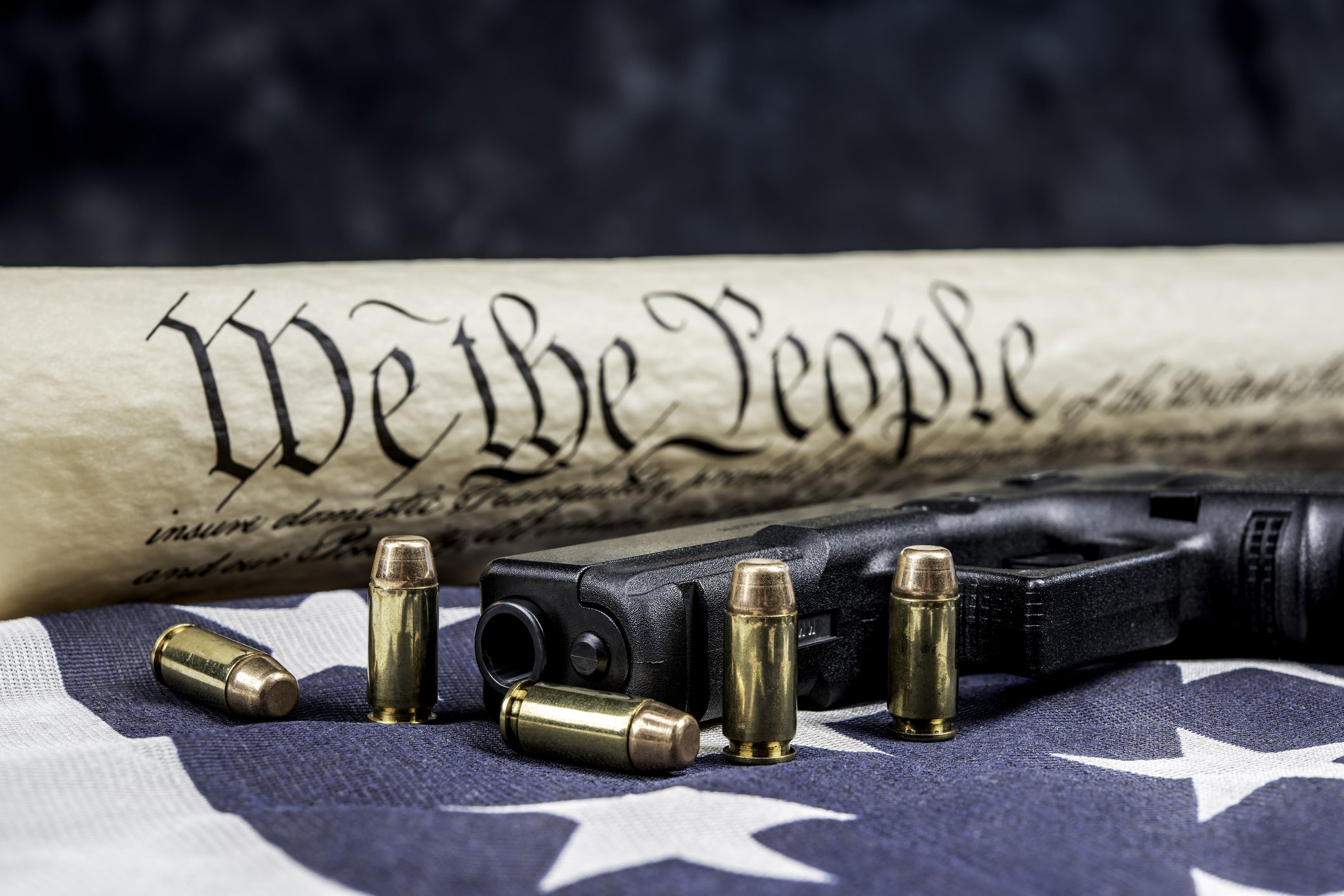
Writing for the Court, Justice Neil Gorsuch emphasized that under the Second Amendment, the government must show that a gun regulation is "relevantly similar" to historical restrictions. The Trump administration had defended the law, arguing that it was a modern analogue to founding-era limits on habitual drunkards. Yet the Court found no historical precedent for permanently disarming sober citizens based solely on their status as substance users.
Gorsuch also criticized the law as overbroad, noting that the government failed to prove that "millions of Americans who now regularly use marijuana are categorically and unusually dangerous." He pointed out that marijuana has surpassed alcohol as Americans' preferred stimulant, a shift that undercuts the rationale for the restriction.
The decision has drawn sharp reactions from both sides of the political spectrum. Seven liberal professors had filed a brief supporting the government, citing historical examples of temporary disarmament for those who threaten public safety. In contrast, the conservative Liberty Justice Center argued that the permanent disarmament of sober citizens had no historical analogue.
Justices Ketanji Brown Jackson and Sonia Sotomayor concurred with the outcome but called for a broader rethinking of the Court's approach to the Second Amendment. Jackson urged her colleagues to abandon the "originalist" method, which she said forces judges to "sift through centuries-old evidence" to resolve modern disputes. Instead, she proposed balancing the government's justification for restrictions against the burden on gun rights.
This ruling adds to a series of recent Supreme Court decisions expanding gun rights, including a temporary block on President Trump's firing of a Fed governor and a sweeping grant of power to fire independent agency officials. The Court's trajectory underscores its commitment to interpreting the Second Amendment as a cornerstone of American liberty, even as it navigates the complexities of modern drug policy.
The practical implications are far-reaching. The ruling effectively legalizes gun ownership for millions of marijuana users, though it does not address other controlled substances. It also highlights the tension between the Court's historical analysis and contemporary social norms, a debate that is likely to persist as lower courts grapple with similar cases.
For now, the decision is a clear win for gun rights advocates and drug policy reformers, but it leaves unanswered questions about the limits of Second Amendment protections in an era of changing drug laws. As Justice Jackson noted, the Court's current framework may require a return to "the mainstream of modern constitutional readings" to ensure consistency and relevance.