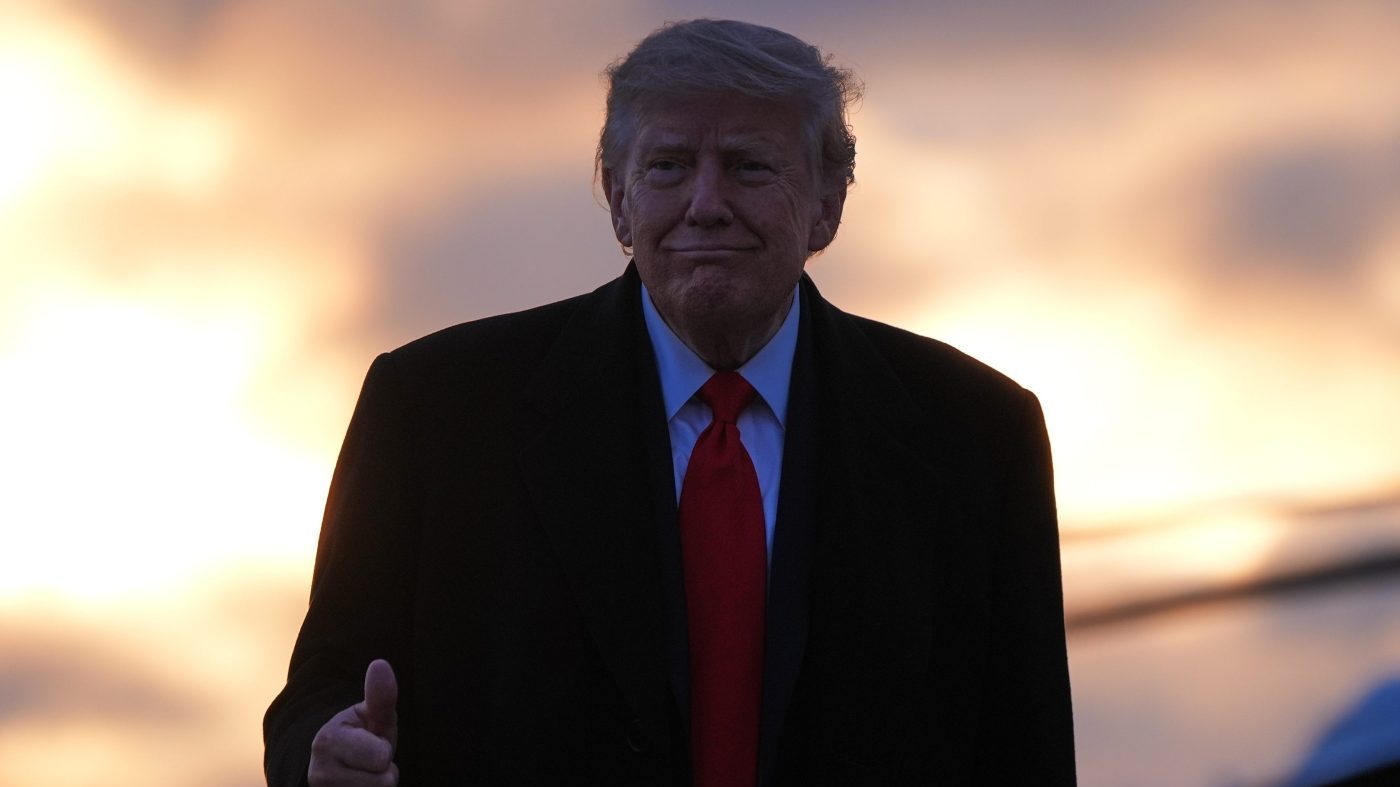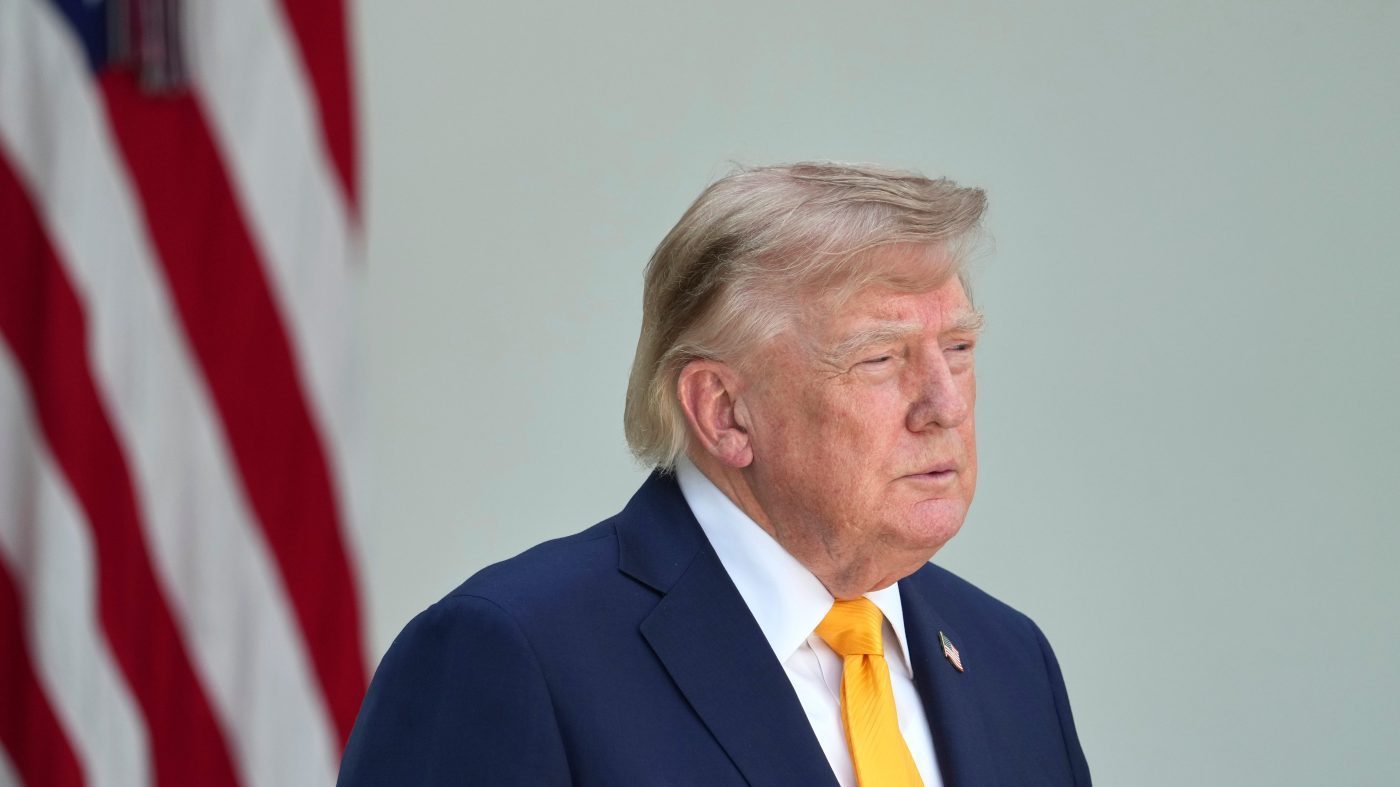
President Trump on Friday evening declared that the United States has secured "majority U.S. control" of a substantial portion of Venezuela's oil reserves, a move he touted as a historic breakthrough in energy diplomacy.
In a post on his social media platform, Truth Social, Trump wrote: "BREAKING NEWS: The United States of America has just entered into an Agreement with the Country of Venezuela on, THE BIGGEST OIL DEAL IN WORLD HISTORY!" The president framed the agreement as a major victory for American energy dominance, claiming it was achieved without burdening U.S. taxpayers.
According to Trump, the deal was orchestrated under his direction by Secretary of State Marco Rubio and Secretary of War Pete Hegseth, working alongside Venezuela's "Highly Respected Interim President, Delcy Rodriguez." The arrangement involves a partnership with private business, though specific terms and participating companies were not disclosed.
The president stated that the agreement secures "majority U.S. control of more than 65 BILLION BARRELS of proven Oil Reserves in Venezuela." That figure represents roughly 21 percent of Venezuela's total proven reserves, which are estimated at 303 billion barrels, making the country one of the world's largest holders of oil.
The announcement comes amid ongoing political and economic turmoil in Venezuela, where the legitimacy of the government has been contested. The Trump administration has previously recognized opposition leader Juan Guaidó as the country's legitimate leader, but the new deal appears to involve figures from the current administration, raising questions about diplomatic recognition and the legal standing of the agreement.
Critics may question the feasibility of such a deal, given U.S. sanctions on Venezuela's state oil company and the complex geopolitical landscape. The administration has not yet released details on how the partnership would function or how U.S. control would be enforced.
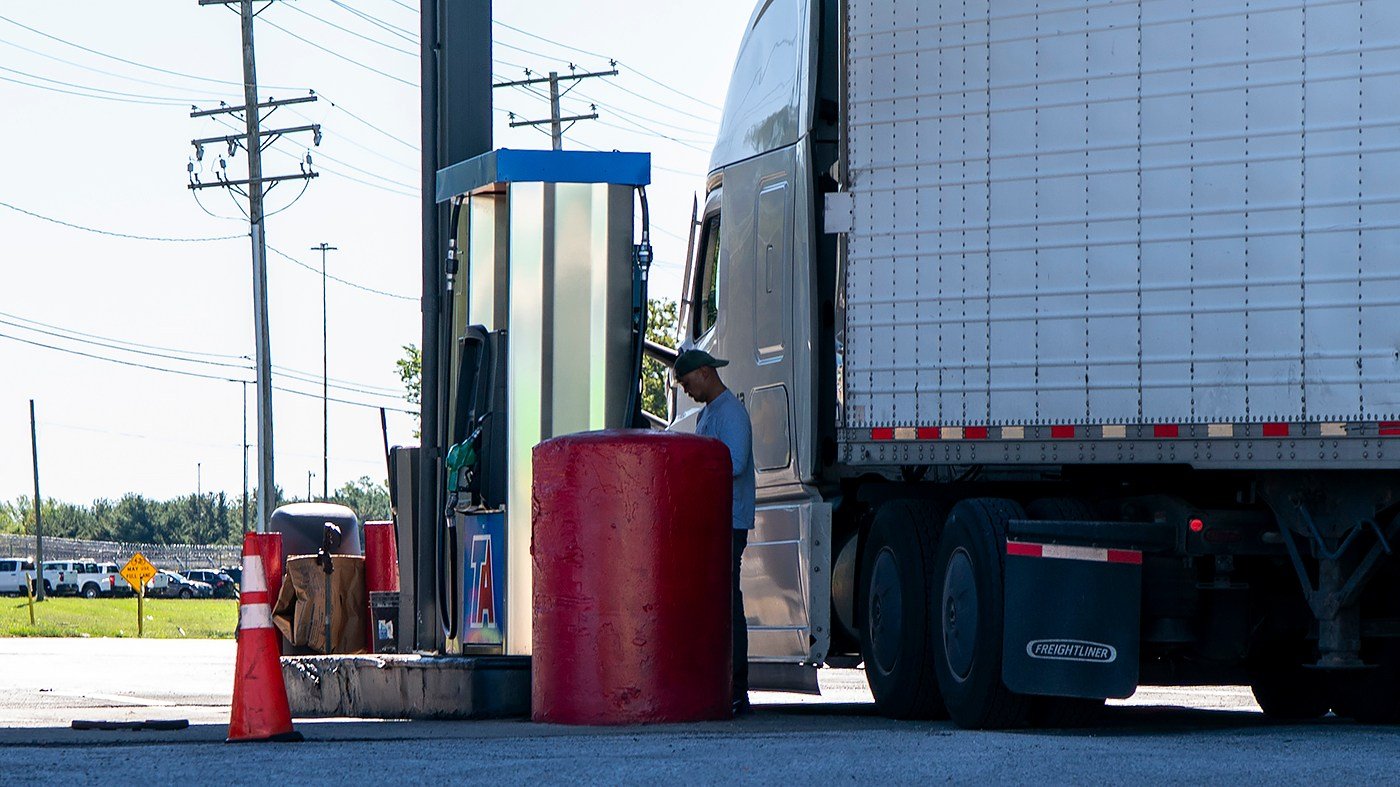
This development aligns with the administration's broader push to expand American energy influence. Recently, the Trump administration has also taken steps to ease regulations on domestic energy production, including easing truck emissions rules, which critics say could undermine environmental progress.
Trump's announcement also echoes his administration's approach to international deals, often emphasizing direct presidential involvement and private-sector partnerships. The president has previously touted similar agreements in other sectors, such as his proposal to create a U.S. Space Academy, which mirrors military service schools, as part of his focus on national prestige projects.
The news is breaking, and further details are expected to emerge in the coming days. Analysts will be watching for reactions from both the Venezuelan government and the U.S. Congress, as well as the impact on global oil markets.
As the story develops, the administration's claims will likely face scrutiny over the legal and practical implications of securing control over a foreign nation's natural resources. The deal, if realized, would represent a significant shift in U.S.-Venezuela relations and could reshape the global energy landscape.