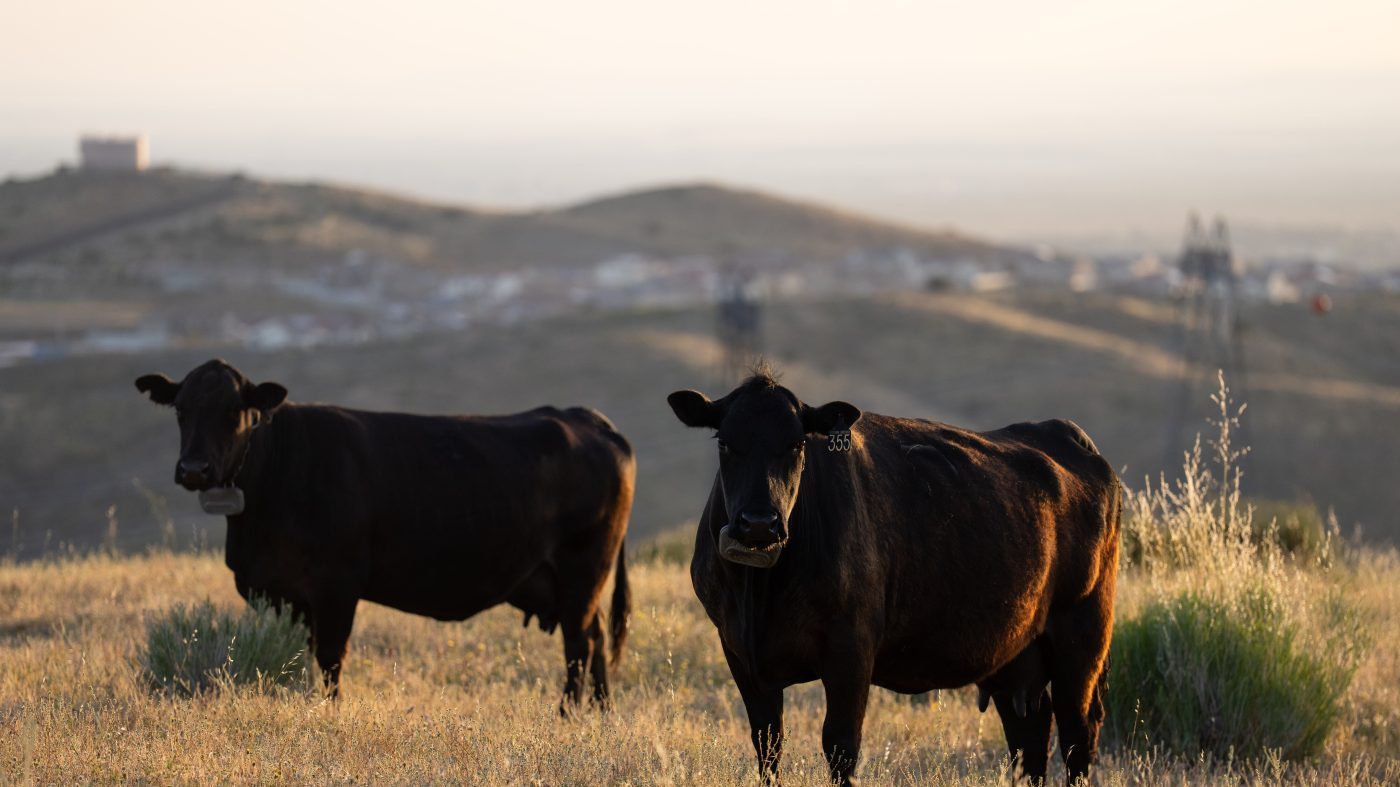
President Trump on Friday said he would take executive action to let American farmers and ranchers process their own food, directly challenging what he described as a monopoly held by a handful of large meatpacking companies.
In a post on Truth Social, Trump said farmers and ranchers "have always been a number one priority" for him, and that he had heard their complaints about the dominance of big processors. He wrote that there are "essentially, 4 of them, a very non competitive number, and they make life miserable for our wonderful Farmers and Ranchers, and I can’t let that happen, can I?"
To break what he called this "powerful monopoly, with much of its ownership based outside of the U.S.," Trump said he is "authorizing legal documents to be drawn in order to allow Farmers and Ranchers to be given the right to PROCESS THEIR OWN FOOD." He added that the move "should move quickly."
The announcement comes as Trump faces mounting criticism from ranchers and Republican lawmakers over his administration’s plan to import 300,000 metric tons of tariff-free foreign ground beef over a 90-day period. Critics argue that selling imported beef at a 25 percent discount would depress the prices domestic ranchers can charge. Industry experts also warn that the savings from such imports may not reach consumers, as large packers and retailers could capture the margin instead.
The president’s latest proposal is seen as an attempt to address rural discontent, but it raises significant regulatory and food-safety questions. Allowing individual farmers to process their own meat would require changes to federal inspection rules, which currently mandate that most meat sold commercially be processed in USDA-inspected facilities. Small-scale processors and direct-sale operations have long pushed for more flexibility, but large packers have resisted such changes.
Trump’s move also lands as his administration faces broader political headwinds, with approval ratings slipping among rural voters and Republicans increasingly nervous about the midterm elections. The beef import plan has become a flashpoint, with some GOP senators joining ranchers in opposing it. The administration’s handling of agricultural policy is likely to be a key test of its ability to hold onto its rural base.
Details of the legal mechanism Trump intends to use remain unclear. The White House has not yet released draft language or a timeline for implementation. Some legal experts note that the president does not have unilateral authority to override federal meat inspection laws, meaning any change would likely require congressional action or a lengthy rulemaking process.
In the meantime, ranchers are watching closely. Many see the processing-rights proposal as a positive signal, but they remain skeptical that it will translate into real relief. "We’ve heard promises before," said one cattle producer, who asked not to be named. "We need to see the actual rule and how it works on the ground."
The beef import plan, which was announced amid broader trade tensions, has become a lightning rod. The administration argues that it will lower food prices for consumers, but the backlash from producers has been intense. Trump’s latest move appears aimed at bridging that gap, but it remains to be seen whether it can satisfy both sides.
As the political fallout continues, the president’s promise to empower farmers and ranchers will be tested against the realities of the meat industry’s structure. Whether the administration can deliver on its pledge without alienating the processors that dominate the market is a question that will shape agricultural policy for months to come.