President Trump has long cast himself as a besieged hero, fighting a shadowy cabal of elites determined to destroy him and, by extension, America. His critics—judges, reporters, foreign leaders, even a Nobel committee—are painted as unpatriotic snobs. But this narrative is colliding with reality: voters are feeling the consequences of his policies, and they are not happy.
A recent survey finds 64 percent of Americans strongly disapprove of Trump's erratic tariffs, which he has justified as a zero-sum trade war. Yet only 17 percent believe he has handled inflation well, and two-thirds oppose his escalating confrontation with Iran, with 60 percent saying the U.S. is losing that fight. These numbers cut across his base: even 60 percent of non-college whites think he has botched the cost-of-living crisis.
Economic Pain Hits Rural America
The president's trade policies are hitting farmers especially hard. Tariffs have raised the price of fertilizer, equipment, and other essentials, while retaliatory measures from trading partners have slashed exports of soybeans, corn, and pork. According to Ed Gresser of the Progressive Policy Institute, farm income has dropped $9 billion this year while expenses have climbed $5 billion, driving a surge in bankruptcies. Meanwhile, Iran's attacks on shipping in the Strait of Hormuz have doubled diesel prices, compounding the strain.
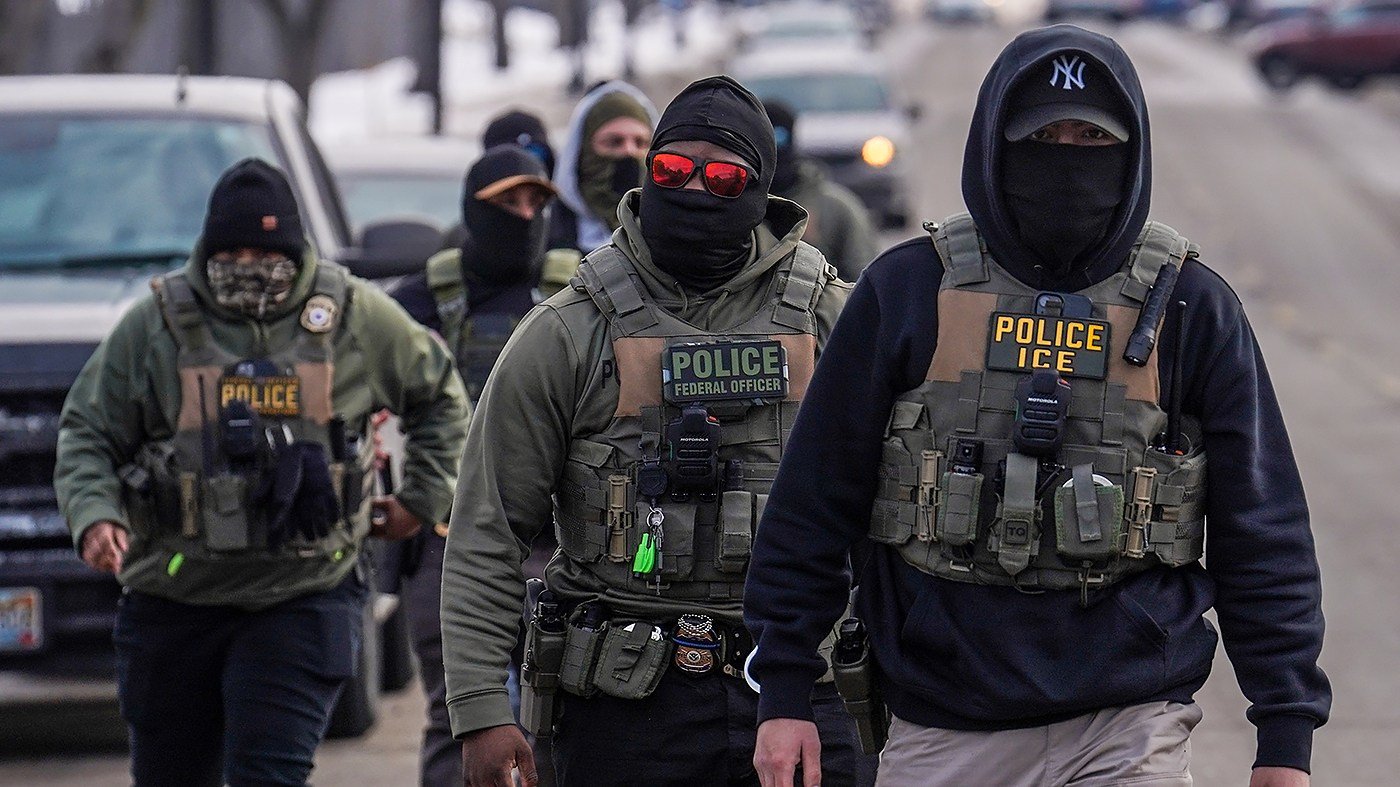
Trump's approval on immigration—once his strongest issue—has also slipped underwater, thanks to his brutal deportation tactics. His attacks on allies like Canada and Denmark, his threats to investigate political rivals, and his frenetic stock trading, which has enriched him by $2 billion even as wages stagnate, have further alienated voters.
Coalition Cracks
The erosion of Trump's 2024 coalition is stark. Compared to his Election Day performance, he is down 12 points with women, nine points with young voters, 16 points with Latinos, and 21 points with independents. This mirrors his first term, which ended in defeat after voters judged his COVID-19 response a failure—a point his own pollster, Tony Fabrizio, conceded.
His second term has been even more chaotic, in part because congressional Republicans have abdicated oversight. The 119th Congress is on track to be the least productive in three decades, with fewer bills signed into law than any since at least 1994. "This is a Congress without ambition," said Sen. Rand Paul (R-Ky.), accusing colleagues of being a rubber stamp. Rep. Ralph Norman (R-S.C.) dryly noted, "The founders did not envision taking this much time off and still getting paid."
Governing vs. Campaigning
Trump's political achievement—winning the presidency twice after a loss—is rare, shared only with Grover Cleveland. But governing is a different skill, and Trump treats it as an exercise in power consolidation rather than problem-solving. His midterm endorsements have already sparked GOP infighting, and his defense of controversial candidates shows his focus remains on loyalty, not competence.
Great presidents unite nations against common threats. Trump's divide-and-conquer approach is the opposite, and his refusal to admit mistakes makes him dangerous. But voters are noticing. As the midterms approach, they are likely to hold his party accountable for his failures.