The University of Chicago has identified a person of interest in connection with a sexual assault reported early Sunday at a fraternity house near campus, according to a community alert issued Tuesday. The individual, who is not a student or otherwise affiliated with the university, has been banned from campus, the school said. Because the investigation is ongoing and no charges have been filed, authorities have not released the person's name.
University officials stated that the identification is supported by witness statements and video evidence from campus cameras and license plate readers. That information has been shared with the Chicago Police Department, which is leading the investigation.

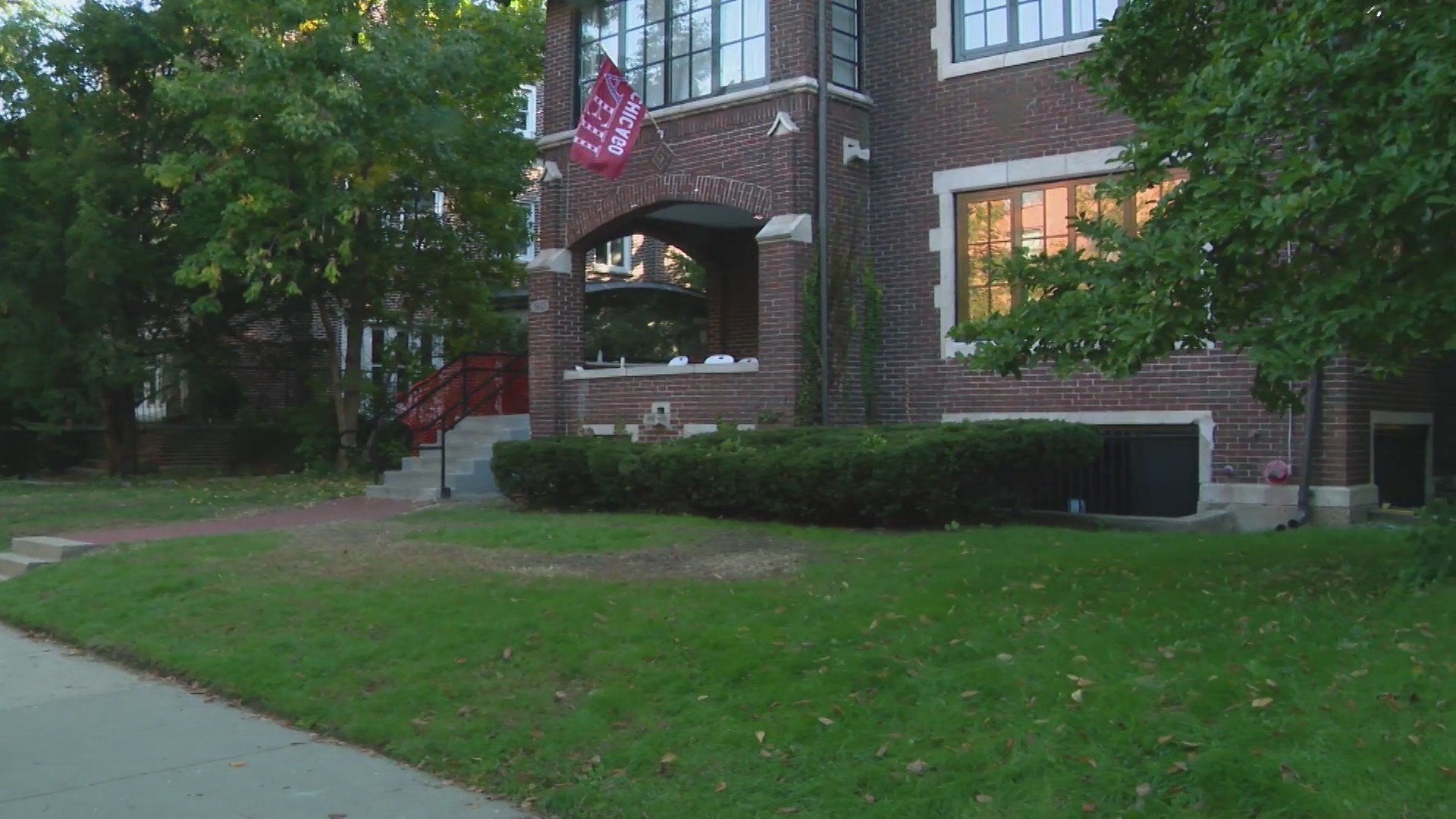
Chicago police reported that a 21-year-old woman, who the university later confirmed is not affiliated with the school, told officers she was sexually assaulted around 2 a.m. Sunday inside a residence in the 5600 block of South University Avenue in Hyde Park. The Chicago Maroon, the university's independent student newspaper, first reported that the assault occurred at the house of the Lambda chapter of the Alpha Epsilon Pi (AEPi) fraternity.
According to a Chicago Tribune report citing CPD's incident report, the victim was dancing at a party at the fraternity house when a man repeatedly asked her to accompany him to a bedroom. The woman declined, but the man allegedly persisted, and the assault occurred.
The case has reignited concerns about campus safety and fraternity conduct, particularly in light of recent incidents at other universities. For example, the University of Arizona recently halted fraternity events amid reports of misconduct, and Cornell University has faced scrutiny over sexual assault allegations, leading to calls for stricter federal oversight of campus sexual assault policies.
The University of Chicago has not commented on whether the fraternity will face disciplinary action, but the school's community alert urged anyone with information to contact CPD. The university also reminded students of available support services, including counseling and advocacy resources.
This incident comes as universities nationwide grapple with how to handle sexual misconduct reports. In a related development, Cornell has enlisted former acting Attorney General Sally Yates to conduct an independent review of its handling of such cases, a move that some see as a model for other institutions.
The Chicago Police Department continues to investigate, and no arrest has been made. The university has emphasized that the person of interest is barred from all campus properties, and security measures have been heightened in the Hyde Park area.
Local advocates have called for transparency and swift action, noting that survivors often face significant barriers to justice. The university's decision to publicly identify a person of interest, while withholding the name, reflects the delicate balance between protecting the victim's privacy and ensuring community safety.
As the investigation unfolds, students and residents are urging the university to strengthen its policies on fraternity events and sexual assault prevention. The case also highlights broader questions about how universities and law enforcement coordinate in such matters, a topic that has gained national attention in recent years.