As lawmakers in Washington engaged in another round of political theater over immigration, Cheryl Minter stood before cameras in Richmond, Virginia, living a parent's ultimate nightmare. Her daughter, Stephanie, had been stabbed to death at a bus stop in February 2026. The alleged perpetrator was a migrant who had remained in the United States despite a final order of removal issued six years earlier.
Policy Debates With Deadly Outcomes
The case exposes the brutal reality behind Washington's polarized immigration debates. While Republicans advocate for strengthened borders and enforcement funding, many Democrats have shifted toward criticizing Immigration and Customs Enforcement (ICE) and Border Patrol operations, calling for reforms that would limit their authority. This political framing often prioritizes emotional narratives over legal context, creating an environment where enforcement becomes increasingly difficult.

Stephanie Minter's alleged killer had been arrested approximately thirty times and had served prison time for a previous stabbing. Despite having a final removal order dating to 2020, he was never deported. His continued presence on American streets represents what critics call a systemic failure of immigration enforcement, where policy uncertainty creates dangerous gaps in public safety.
The Sanctuary City Dilemma
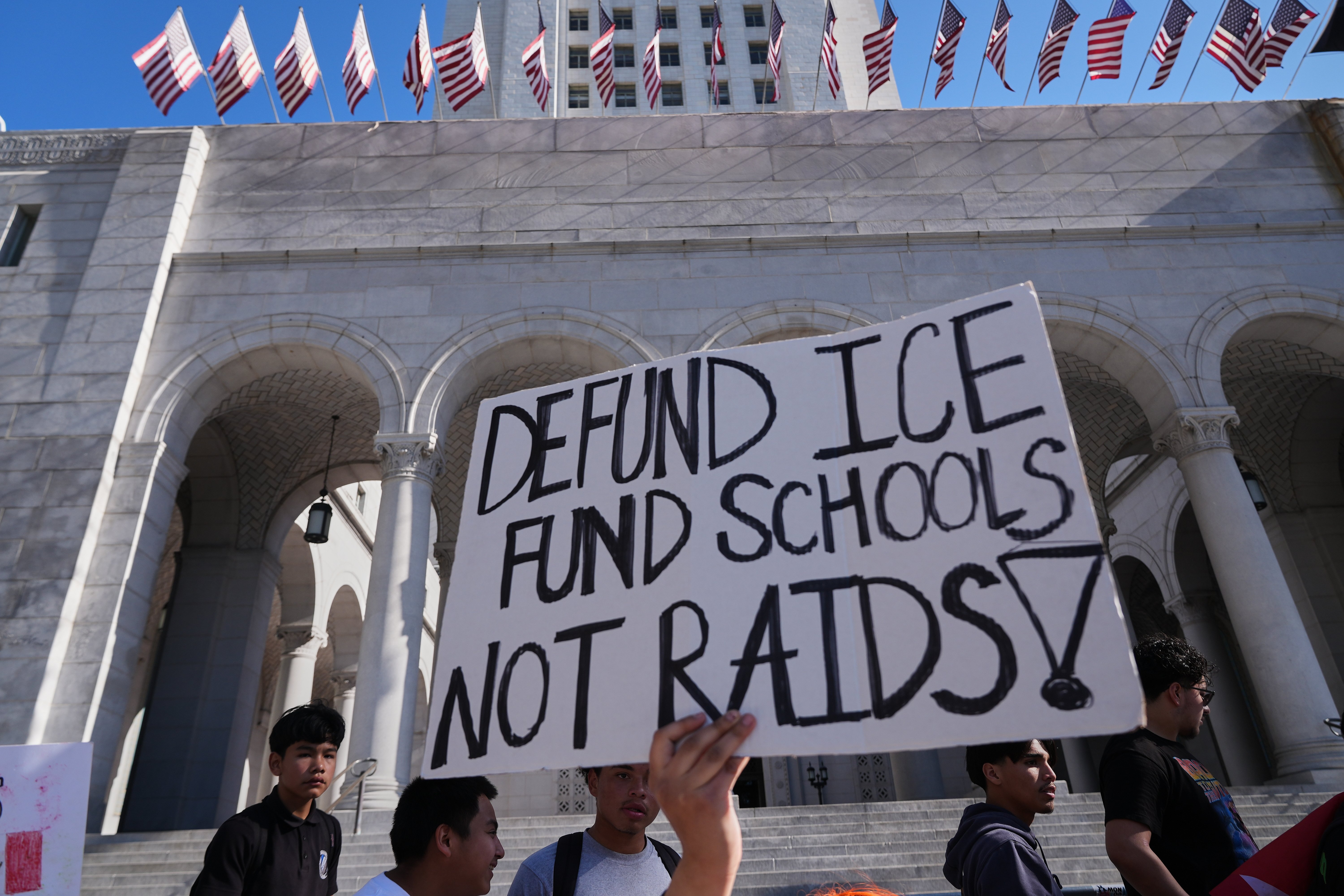
The political landscape has grown increasingly contentious, with some progressive activists labeling immigration enforcement officers as fascists and attempting to interfere with arrests. Sanctuary jurisdictions that limit cooperation with federal authorities have expanded, creating what opponents describe as safe havens for individuals who should have been removed. This approach, while framed as humanitarian, sometimes protects violent offenders alongside others.
For families like the Minters, abstract policy debates translate into irreversible tragedy. "Our leaders need to understand that as they go back and forth over what seems like an academic debate, American lives are actually in danger," the original commentary noted. The fundamental government responsibility to protect citizens becomes compromised when enforcement mechanisms are systematically undermined.
Avoidable Tragedy Sparks Demands for Accountability
The Minter case illustrates a pattern critics say occurs regularly: individuals with extensive criminal histories and final removal orders remain in communities, sometimes committing additional violent crimes. The political left generally avoids discussing these specific cases, focusing instead on broader critiques of enforcement methods. Yet the consequences of non-enforcement fall disproportionately on ordinary citizens rather than the politicians who shape the policies.
Immigration policy represents one of America's most complex challenges, deserving serious debate about economic needs, humanitarian obligations, and security concerns. However, the discourse frequently ignores how specific enforcement decisions—or non-decisions—affect public safety. When jurisdictions actively obstruct federal immigration enforcement, they assume responsibility for the outcomes.
The tragedy underscores how funding battles and political positioning in Washington have real-world implications far from Capitol Hill. As the nation continues grappling with immigration reform, cases like Stephanie Minter's death serve as painful reminders that policy failures have names, faces, and grieving families left to wonder why the system designed to protect them failed so completely.