Civilian Mobilization Ordered as Deadline Nears
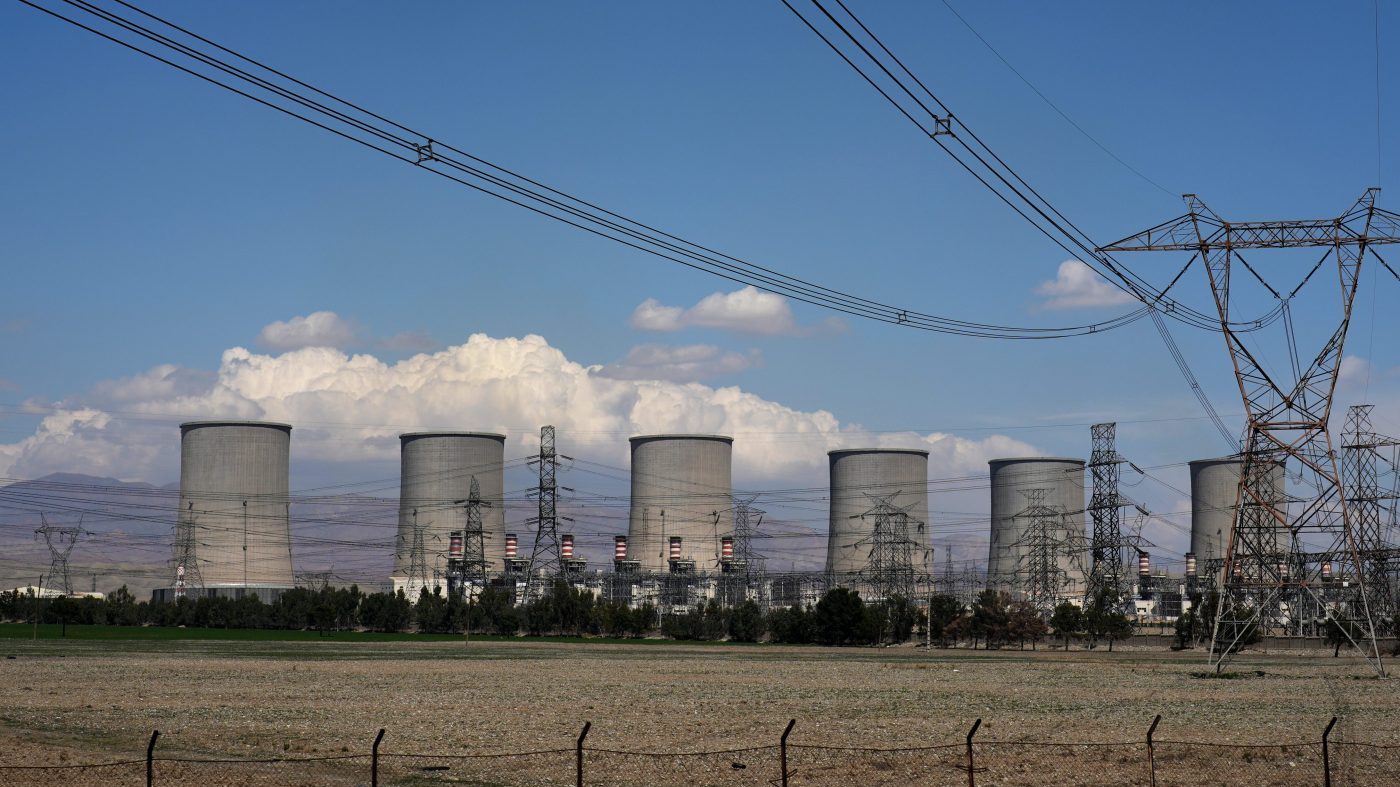
With a critical deadline set by President Donald Trump fast approaching, Iranian officials have issued an extraordinary call for civilians to physically shield the nation's power plants. The regime is urging young people, athletes, artists, students, and professors to form human chains around energy infrastructure, framing the action as a defense of national assets against threatened U.S. military action. This mobilization comes as the White House has given Tehran until 8 p.m. Eastern Time to lift its blockade of the Strait of Hormuz—a vital maritime chokepoint for global oil shipments.
Trump's "All Hell" Warning
President Trump delivered his stark ultimatum during a White House briefing on Monday, warning that failure to comply would result in the destruction of Iranian bridges and power plants. "We're giving them until tomorrow at 8 o'clock. And after that, they're going to have no bridges, no power plants," Trump stated, adding that Iran "could be taken out in one night, and that night might be tomorrow night." This escalation follows earlier threats from the administration that have drawn international scrutiny.
Alireza Rahimi, identified by state media as the secretary of the Supreme Council of Youth and Adolescents, emphasized in a video statement that citizens must protect "power plants that are our national assets and capital." The call to action represents a significant domestic propaganda effort to demonstrate popular resolve against external pressure.
Iranian Defiance and Military Strikes
Iranian President Masoud Pezeshkian claimed early Tuesday that over 14 million Iranians, including himself, have volunteered for the war effort. "I too have been, am, and will remain devoted to giving my life for Iran," Pezeshkian wrote on social media. This show of defiance occurs amid continued airstrikes on Iranian territory overnight, which reportedly hit residential areas in Tehran and a suspected weapons depot in mountainous regions.
The Israeli military confirmed strikes against an Iranian petrochemical facility in Shiraz and a ballistic missile site in northwestern Iran. Additional attacks struck Khorramabad International Airport and an unidentified target in Alborz province, killing 18 people according to Iranian state media. Nine more were reported killed in Shahriar and six in Pardis from other aerial bombardments.
Diplomatic Stalemate and Warnings
Tehran has firmly rejected U.S. demands, calling a 45-day ceasefire proposal "unrealistic." The Iranian government stated on Monday that it "firmly refuses any negotiations conducted under the shadow of illegal sanctions, military threats, or coercion," asserting that diplomacy requires mutual respect. A senior Iranian source told Reuters that peace talks would only be possible once U.S. and Israeli attacks cease and assurances are provided against future conflict.
In a concerning development, Israel reportedly warned Iranian citizens in Persian via social media to avoid railways, suggesting that "your presence on trains and near railway lines endangers your life." This message hints at potential escalation targeting transportation networks. The situation has caused unease even within U.S. political circles, as Republican support for confrontation with Iran shows signs of wavering ahead of the deadline.
Strategic and Humanitarian Implications
The call for human chains around power plants raises serious questions about the regime's strategy and the potential for civilian casualties. By positioning non-combatants at military targets, Iran appears to be attempting to deter strikes or generate international condemnation if attacks occur. This tactic complicates an already volatile situation centered on the Strait of Hormuz, through which approximately one-fifth of the world's oil supply passes.
The Trump administration's threat to destroy civilian infrastructure has drawn criticism from some quarters, with the president dismissing concerns about potential war crimes. As the 8 p.m. deadline looms, the world watches to see whether Tehran will capitulate, whether Washington will execute its threats, or whether a last-minute diplomatic intervention might avert a major regional conflagration.