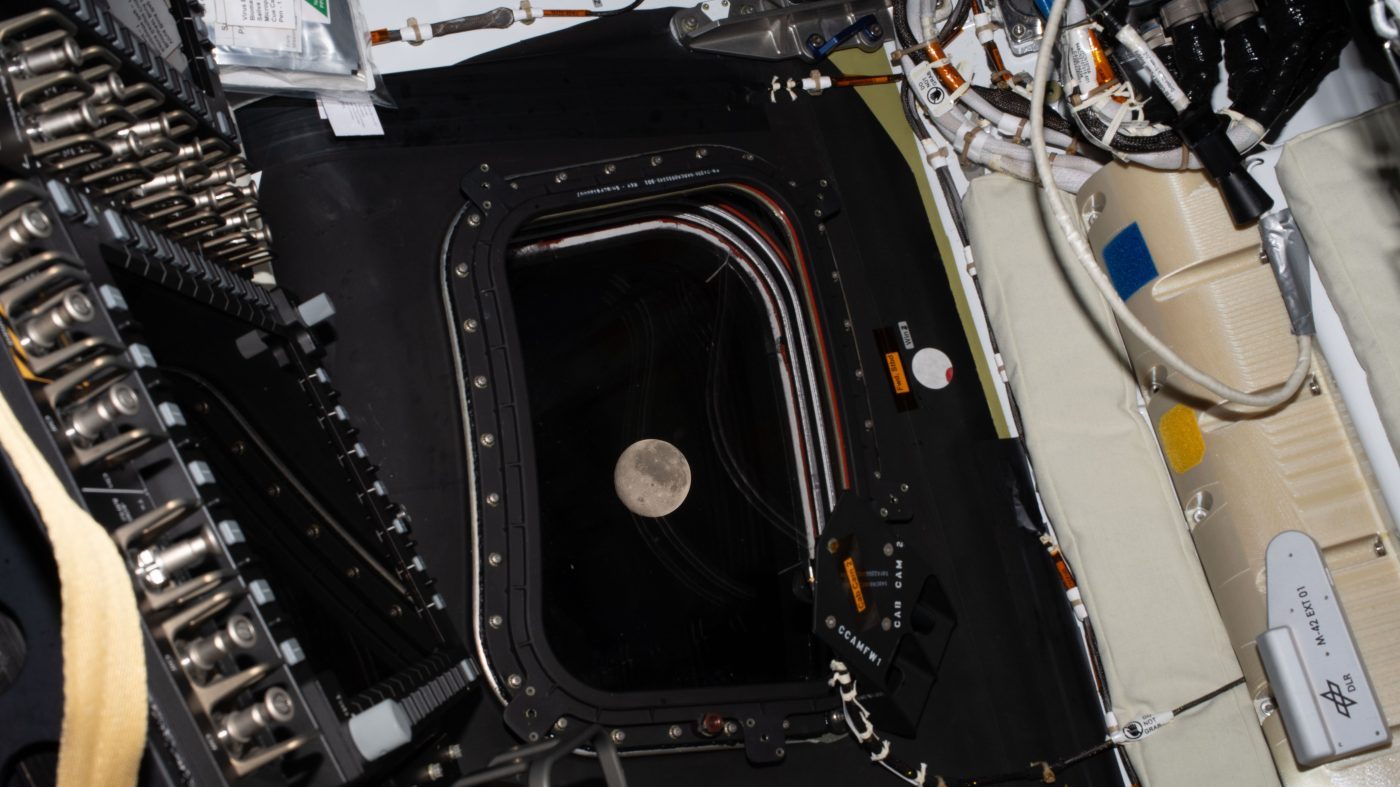
The four-person crew of NASA's Artemis II mission entered the history books this week by traveling farther from Earth than any humans have before, breaking a record that has stood since the Apollo 13 mission in 1970. The milestone marks a pivotal step in the United States' return to crewed lunar exploration, directly supporting the agency's goal of landing astronauts on the moon by 2028.
Commander Reid Wiseman, Pilot Victor Glover, Mission Specialist Christina Koch, and Canadian Space Agency Mission Specialist Jeremy Hansen surpassed the 248,655-mile distance benchmark set over five decades ago. From their spacecraft, Commander Wiseman framed the achievement not as a final destination but as a challenge to future generations. "We most importantly choose this moment to challenge this generation and the next to make sure this record is not long-lived," Wiseman stated, emphasizing the program's forward-looking ambition.

A Mission of Firsts and Personal Tributes
Beyond the technical milestones, the mission carried profound personal significance. Wiseman sent a visual message to his daughters on Earth and proposed naming a prominent lunar crater after his late wife, Carroll. "It's a bright spot on the moon, and we would like to call it Carroll," he said during a transmission, highlighting the human element woven into the vastness of space exploration. The crew reported high spirits, with Wiseman noting, "We are having a blast up here, and the view of the moon is absolutely amazing."
The Crucial Pathfinder for 2028
Artemis II functions as the essential test flight for NASA's broader lunar agenda. As previously reported, the crew is rigorously evaluating spacecraft systems on a figure-eight trajectory around the moon, with a scheduled splashdown in the Pacific Ocean. Dr. Newton Campbell Jr., a board member of The Planetary Society, underscored the mission's preparatory role. "Artemis II is really the test flight, going around the moon and doing some great science while we're making that trip," Campbell explained.
The crew has been photographing and recording observations of the moon's far side, capturing vistas never before seen by human eyes—a task that prompted Campbell to quip about listening to Pink Floyd's iconic album. All activities have been livestreamed by NASA, providing unprecedented public access to a deep-space mission.
Institutional and Political Context
This successful milestone comes as NASA navigates significant internal and external pressures. The agency is working to overcome institutional hurdles within the Artemis program while adapting to a commercial partnership model championed by its leadership. Furthermore, the mission advances the Biden administration's declared ambition for a permanent lunar presence, framing the moon as a sustainable stepping stone for future Mars missions.
The record-breaking distance achieved by Artemis II is more than a symbolic victory; it is a critical validation of the Orion spacecraft's life support, communication, and navigation systems under deep-space conditions. The data gathered will be indispensable for Artemis III, the mission slated to return boots to the lunar surface in 2028.
As the crew continues its journey, their progress is being watched closely by policymakers, scientists, and international partners. The mission's success reinforces the technical feasibility of the 2028 timeline while demonstrating renewed American capability in human spaceflight—a domain of growing geopolitical significance. The splashdown on Friday will conclude this historic pathfinding mission, but the work to prepare for the next giant leap has already intensified.