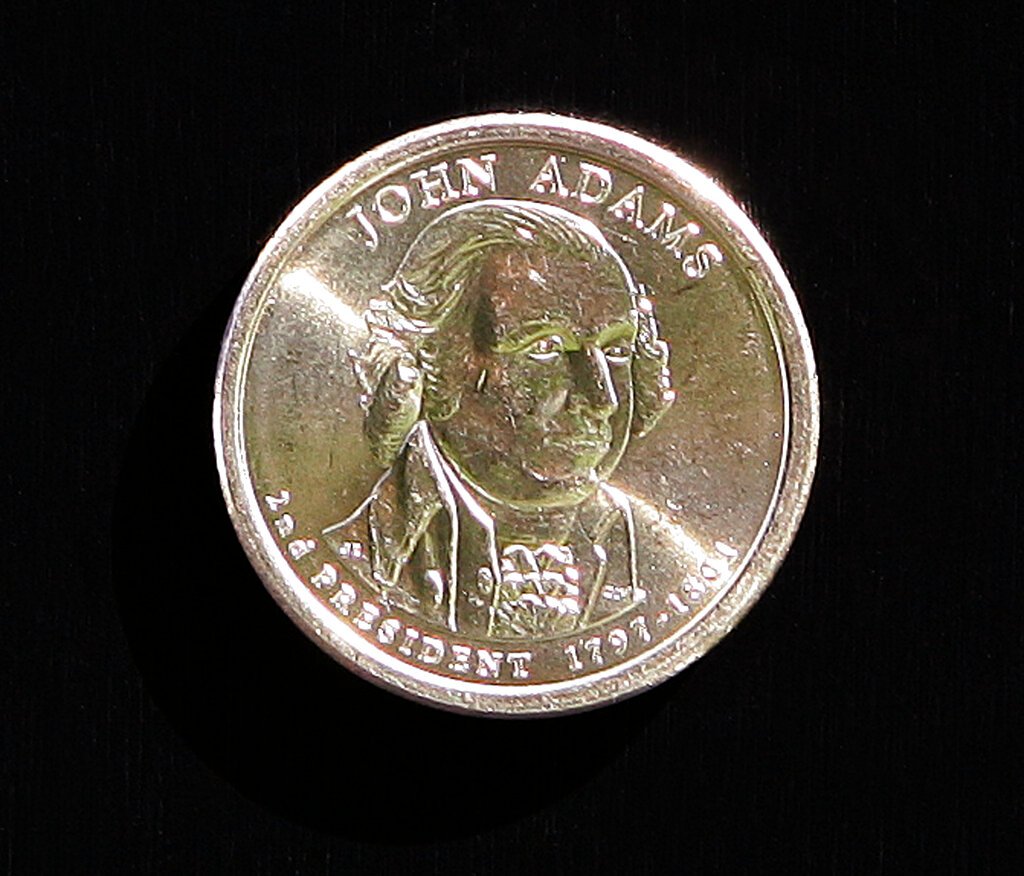
Four House members spanning the political spectrum are making a unified appeal for the Senate to take up legislation that would establish a permanent tribute to the Adams family in Washington, D.C. The measure, known as the Adams Memorial-Great American Heroes Act, has already cleared the House with unanimous support, and its backers argue that honoring the family's legacy should transcend partisan divides.
In a joint statement, the four lawmakers serving on the Adams Memorial Commission — Republicans Morgan Griffith of Virginia and John Moolenaar of Michigan, along with Democrats William Keating and Stephen Lynch of Massachusetts — emphasized that while Washington is rife with disagreement, the contributions of John Adams, Abigail Adams, John Quincy Adams, and their descendants are a matter of shared national pride.
"Few American families have shaped the country's founding, growth, and preservation as profoundly as the Adamses," they wrote, urging the Senate to act without delay.
A legacy that spans generations
John Adams, the nation's second president, was a driving force behind the Declaration of Independence, a key diplomat who secured vital French support during the Revolutionary War, and a statesman whose influence extended well beyond his presidency. His wife, Abigail, was not merely a spectator to history; she managed the family estate during his long absences and became one of his most trusted political counselors. Her letters, including the famous plea to "remember the ladies," remain a cornerstone of Revolutionary-era documentation.
Their son, John Quincy Adams, followed in his father's footsteps as a diplomat, secretary of State, and the sixth president. After leaving the White House, he served in the House of Representatives, where he became a leading voice against slavery. The family's public service continued through multiple generations, producing diplomats, writers, and civic leaders whose influence stretched well into the modern era.
Despite such an extraordinary record, the nation's capital has yet to erect a memorial to the family. That gap is especially conspicuous as the country approaches the 250th anniversary of its independence, a milestone that would not have been possible without the Adamses' contributions.
A memorial with a different story
The proposed memorial would differ from the city's existing monuments, which typically honor a single individual or a specific achievement. Instead, it would tell the story of an American family bound by a shared commitment to public service, with the planned location near the White House — where John and Abigail became the first residents in 1800.
Supporters argue the memorial would serve as a timely reminder of common ground in an era of polarization. The bipartisan backing in the House, they note, is proof that some national honors can still unite lawmakers.
"At a time when Americans hear so much about what divides us, the Adams Memorial offers a small but meaningful reminder of what can still unite us," the commissioners stated.
The push comes as Capitol Hill has seen staffers credited with fostering bipartisan deals and unsung Hill staffers gaining recognition for their role in cross-party negotiations. The Adams memorial effort is being held up as another example of cooperation in a divided government.
The Senate now holds the key to making the memorial a reality. If passed, the legislation would authorize the creation of a fitting tribute to a family that helped define American citizenship and public duty.