Democratic-controlled states on Wednesday launched a fresh legal assault on the Trump administration's mail-in voting restrictions, betting that a newly finalized Postal Service rule gives them the standing the Supreme Court said they previously lacked.
The high court in June dismissed an earlier challenge to President Trump's executive order on mail voting, ruling that the states had sued too soon. But the justices left the door open for litigation once the U.S. Postal Service (USPS) formalized its implementation plan. That rule was published Wednesday, and the states were quick to act.
“Congress has not afforded USPS any authority whatsoever to set rules for federal elections or mail voting, even though Americans have cast ballots by mail for generations,” the lawsuit argues.
The case, led by California, Massachusetts, Nevada, and Washington, lands before U.S. District Judge Indira Talwani, an Obama appointee who has presided over the broader legal battle for months. The Hill has reached out to the Department of Justice for comment.
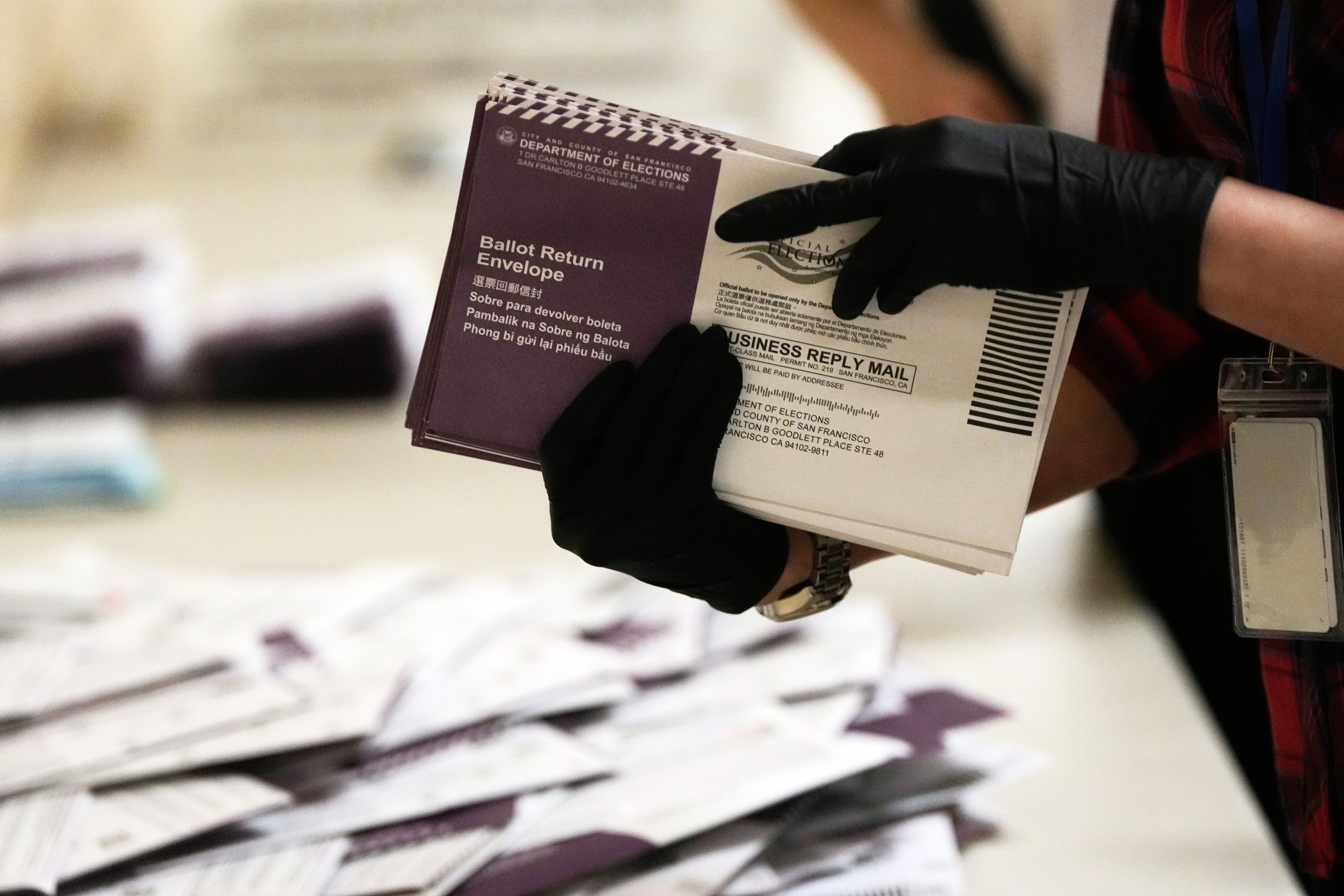
The Postal Service's final rule imposes strict requirements on mail-in ballots, including unique barcodes and an official logo, and mandates that states submit lists of eligible mail voters. Ballots that fail to comply or voters not on the list would be refused delivery. This is part of Trump's broader, years-long push to tighten mail voting, which he has repeatedly claimed—without evidence—is rife with fraud.
Critics, including election officials and voting rights groups, have condemned the rule as an overreach into states' authority to run their own elections. The new lawsuit contends that USPS lacks the legal authority to set such standards, a position that could resonate with courts wary of executive overreach.
Meanwhile, Judge Talwani has kept the administration's plans on hold nationwide under a separate lawsuit filed by private groups. The Justice Department is urging her to lift that injunction in light of the Supreme Court's emergency ruling, but she has not yet decided. On Tuesday, Talwani found that USPS had violated her injunction by moving forward, yet she declined to impose further sanctions.
Time is of the essence: several states are set to begin mailing ballots within days. The legal tangle threatens to create chaos for election administrators and voters alike, as the November elections loom.
This latest move comes as Trump's legal battles over voting procedures intensify, with similar clashes over other executive actions reaching the courts. The outcome could have significant implications for how the 2024 election is conducted, especially in battleground states.