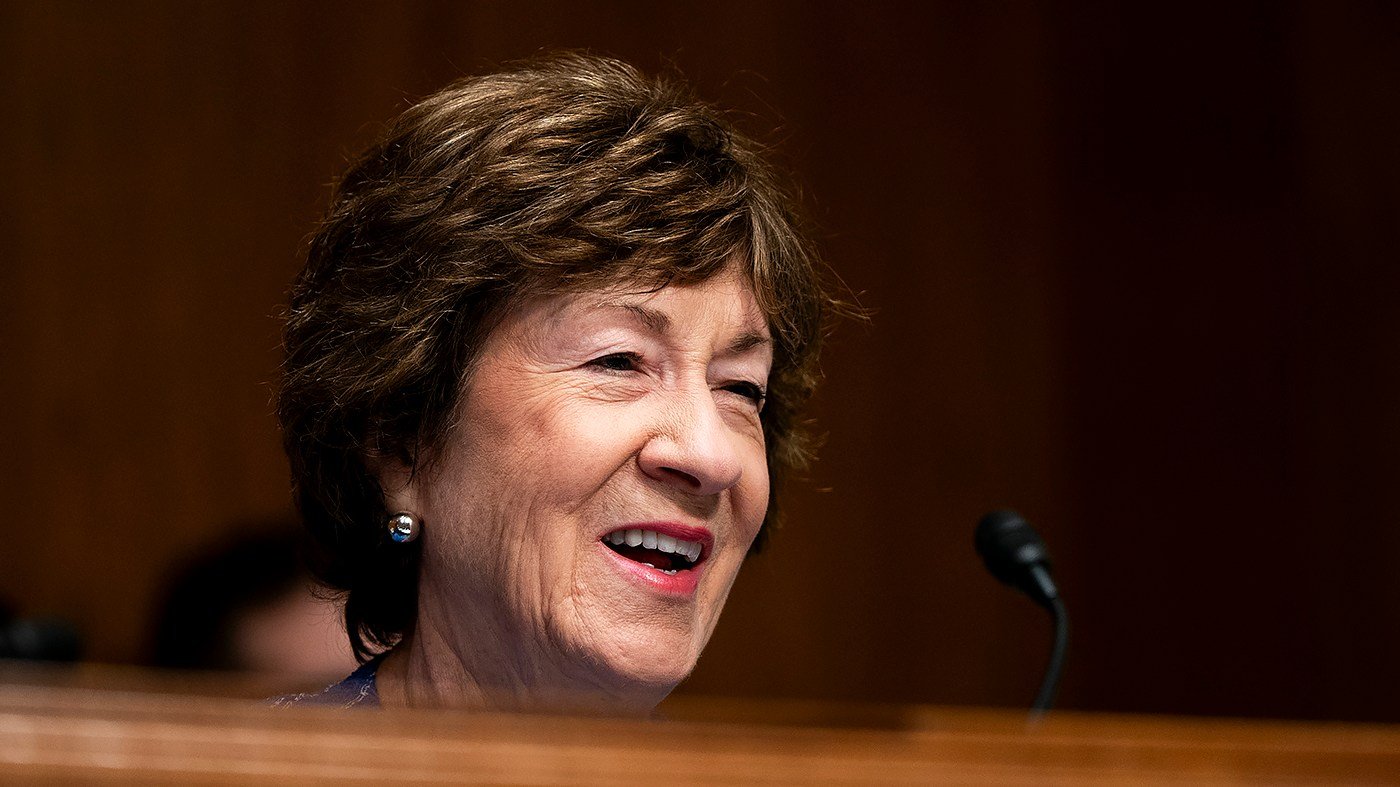
Sen. Susan Collins (R-Maine) renewed her push for the United States to re-enter trade negotiations with Canada on Thursday, pointing to Ottawa's recent decision to spare seafood products from its retaliatory tariffs as a sign of goodwill.
In a post on the social platform X, Collins expressed appreciation for Canada's move, which she said would shield Maine's lobster fishermen from severe economic damage during the critical fall harvest season. She called on the Trump administration to reciprocate by returning to the bargaining table.
"These tariffs would have caused tremendous harm to Maine's lobstermen, disrupting one of their most important markets during the fall fishing season," Collins wrote. "I urge the U.S. to respond to this show of good faith from our Canadian friends by returning to the negotiating table and working to amicably resolve this trade dispute."
Canada's Department of Finance announced late Wednesday that it would withdraw its proposed tariffs on fish and seafood, which had been scheduled to take effect on September 8, citing the risk of "broader economic harms." The decision came after weeks of escalating tensions between the two allies.
Escalation and Retreat
The trade conflict intensified last week when Canadian Prime Minister Mark Carney pulled his country's negotiators from talks with the U.S., prompting a new round of Trump administration tariffs on over $20 billion in Canadian goods. In response, Canada unveiled its own tariff package on Tuesday, targeting hundreds of American products with duties as high as 50 percent.
Canada's Finance Minister François-Philippe Champagne said the retaliatory measures, which include tariffs of 15, 25, and 50 percent, would affect $27.6 billion in U.S. imports. "For each product, our tariff will match the American tariff on the same type of Canadian good," he said.
The seafood exemption is a notable concession, as the Maine lobster industry had warned of significant collateral damage from a trade war, with many fishermen relying heavily on Canadian buyers. Collins, who has consistently opposed the tit-for-tat tariffs, framed the move as an opportunity for de-escalation.
Political and Economic Stakes
The dispute has become a flashpoint in the broader U.S.-Canada trade relationship, with both sides accusing the other of unfair practices. President Trump has defended his tariffs as necessary to protect American industries, but critics argue they risk alienating a key ally and disrupting supply chains.
Collins's call for renewed talks aligns with a growing chorus of lawmakers from both parties who worry about the economic consequences of the trade war. The Trump administration's trade representative has warned Canada that further retaliation would not be tolerated, but Collins believes a negotiated settlement is still possible.
Observers note that the seafood exemption could be a strategic opening, as it removes a key irritant for Maine's fishing communities. However, broader issues—including tariffs on steel, aluminum, and dairy—remain unresolved. The threat of Ontario's electricity surcharges has also added to the tension, raising concerns about energy prices in the U.S.
Collins's statement underscores the delicate balance between supporting American workers and maintaining strong ties with Canada, a relationship that many in Maine depend on for trade and tourism. Whether the Trump administration will heed her call remains uncertain, but the senator's insistence on dialogue reflects a broader desire for stability along the northern border.