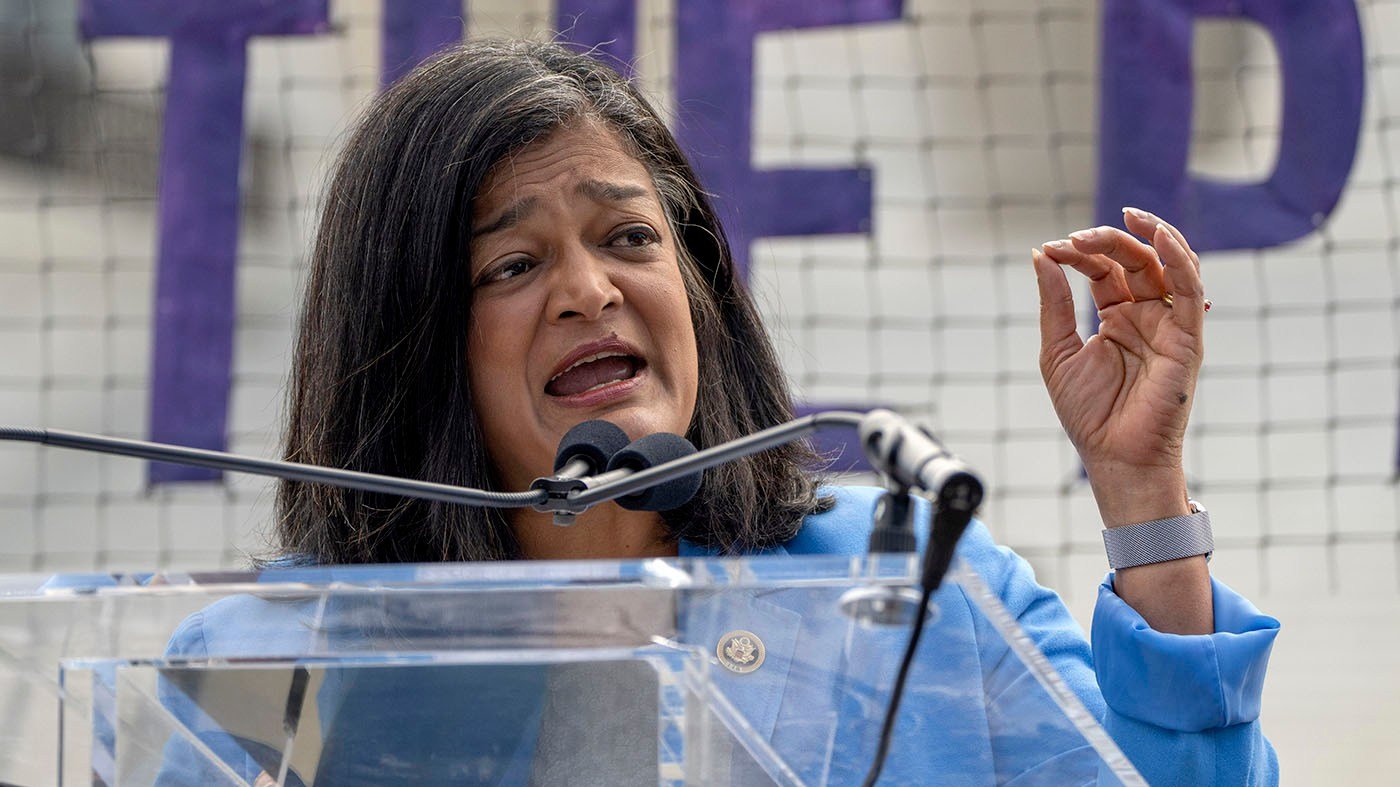
India's ambassador to the United States, Vinay Mohan Kwatra, sharply rebuked Rep. Pramila Jayapal (D-Wash.) on Thursday for her criticism of India's nationwide voter roll revision, calling her remarks "unacceptable interference in India's internal affairs."
In a post on X, Kwatra defended India's democratic credentials, writing: "India is a vibrant democracy, with robust, independent constitutional institutions and a longstanding record of free and fair elections." He added that he remains "always open to constructive conversation with the Congresswoman to dispel her misconceptions."
The ambassador's response came a day after Jayapal expressed alarm over the Indian government's decision to remove 130 million people from voting rolls. "I am deeply concerned about the actions of the Indian government to purge 130 million people from the voting rolls," Jayapal wrote on X. She drew a direct parallel to domestic politics, saying, "This appears to be a similar playbook to what the Trump Administration is doing here at home to undermine voting rights in a democracy."
The dispute underscores growing tensions over democratic backsliding, a theme that has also animated debates in Washington. The exchange comes as the Trump administration faces its own controversies over election integrity, including a legal challenge to a Justice Department voter data request that critics say could suppress turnout.
On Monday, opposition leaders and thousands of supporters marched to India's Supreme Court in New Delhi, submitting a petition to the chief justice alleging irregularities in the nationwide voter roll revision. The Associated Press reported that the revision would remove more than 130 million voters. The protests, led by the "Cockroach" youth movement, intensified over the weekend, with thousands of activists detained in a crackdown across the capital.
Indian officials, including Prime Minister Narendra Modi's Bharatiya Janata Party and the Election Commission of India, deny any political motivation. They insist the revision is a necessary step to eliminate duplicate and ineligible names. Critics counter that the move disproportionately affects opposition-leaning constituencies.
Jayapal, the first Indian American woman elected to Congress, has been a vocal advocate for democratic rights both in the US and abroad. In her post, she emphasized that "protecting democracies everywhere is essential work, and the Indian people—like the American people—deserve free and fair elections." She added, "Non-violent resistance movements are essential in these moments and I stand with the Indian people who are engaging in non-violent protests to counter anti-democratic efforts in India."
The "Cockroach" movement first gained national attention earlier this summer when weeks of protests forced the resignation of India's education minister. Its latest mobilization has drawn international scrutiny, with global observers warning of a broader pattern of democratic erosion. As the US and India navigate a complex relationship, with Washington seeking to counter China's influence, such public spats risk complicating diplomatic ties. The Biden administration had made outreach to India a priority, but the Trump administration's approach has been less predictable, as seen in its recalibration of policy toward New Delhi.
The Hill has reached out to Jayapal's office for comment.