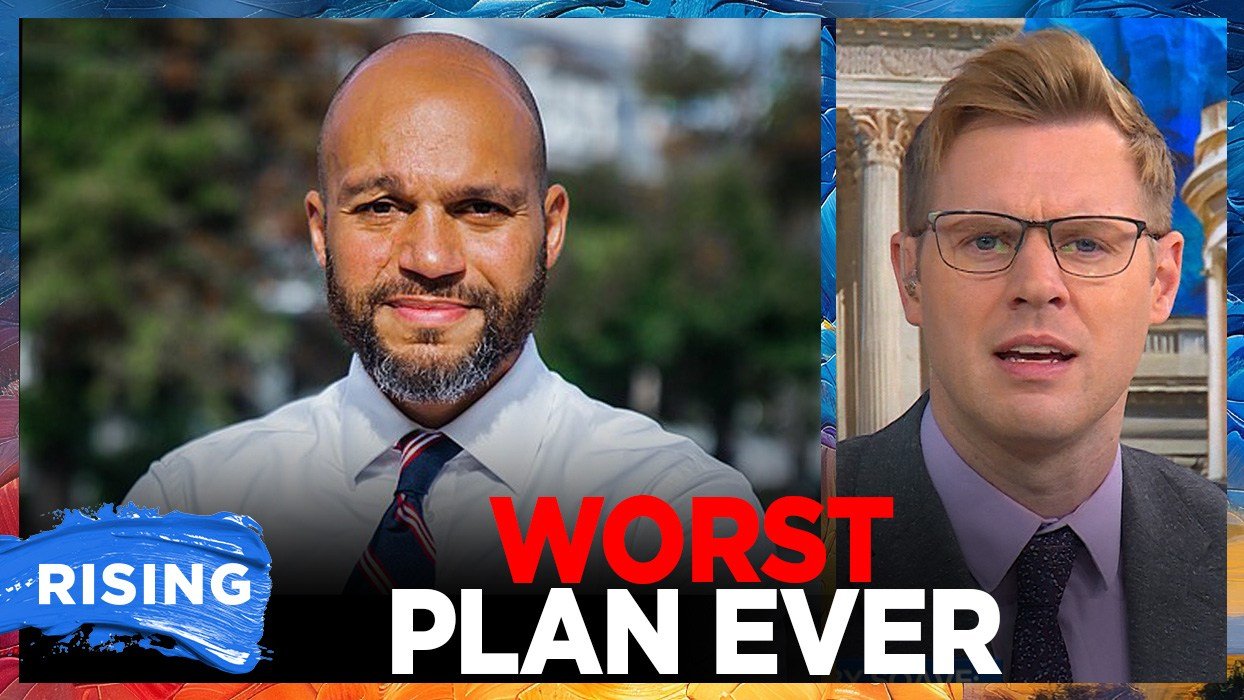
The nation's capital is once again at the center of a policy controversy, as a far-left council member pushes a rent relief plan that critics say rewards tenants who don't pay. At-large Council Member Robert White has introduced the SHARE Act, a measure designed to address the thousands of D.C. residents who lose their homes each year over unpaid rent, often for amounts under $5,000. White argues that the current eviction process is stressful for tenants, costly for landlords, and clogging the courts. But his solution has sparked a fierce backlash from those who say it would create perverse incentives.
Under White's proposal, landlords would no longer be able to file eviction proceedings directly against tenants who fail to pay. Instead, both parties would be required to enter mediation. The plan would then forgive one-third of the owed rent, with the city—meaning taxpayers—covering another third. The tenant would only be responsible for the remaining third. In effect, a tenant who refuses to pay rent could see their debt reduced by two-thirds, with the public picking up the tab.

White took to social media to defend the idea, writing, "Every year, thousands of DC residents lose their homes over unpaid rent. Most owe less than $5,000. Going to court is stressful for tenants, expensive for landlords, and slows down the system. We need a better way to resolve rent issues." While a better system is needed, critics argue this approach is a step backward.
Commentator Matthew Yglesias responded directly to White on X, pointing out the obvious flaw: "If every tenant in the city finds out they can get a 2/3rds discount on their rent by not paying, don't you worry this is going to create some bad incentives?" The concern is that the policy would encourage nonpayment, as tenants would see a clear financial benefit to skipping rent.
Reem Ibrahim, a colleague and commentator, also weighed in, calling the proposal "so, so dumb." She questioned, "So tenants can go 3 months without paying rent & taxpayers will bail them out?" That is precisely what White is proposing, and it's a move that prioritizes helping those who refuse to pay over the landlords they're effectively stealing from.
The SHARE Act is just the latest in a series of controversial measures from the D.C. Council, which critics describe as a "bad ideas factory." Recently, the council considered a ban on rat poison, even as the city struggles with a rodent infestation. Such priorities suggest a governing body that is out of touch with the needs of its residents.
This pattern of policymaking is a direct result of living in a one-party state, where the far left faces no effective political competition. With Mayor Muriel Bowser, often seen as a moderate, likely to be succeeded by the more progressive Janeese Lewis George, the situation could worsen. The lack of electoral pressure allows council members to indulge in what some call "sociopathic legislating," with little regard for the consequences.
As the debate over the SHARE Act continues, it remains to be seen whether the council will heed the criticism or double down on a plan that many see as rewarding bad behavior at the expense of taxpayers and landlords. For now, the proposal stands as a stark example of the challenges facing governance in the nation's capital.