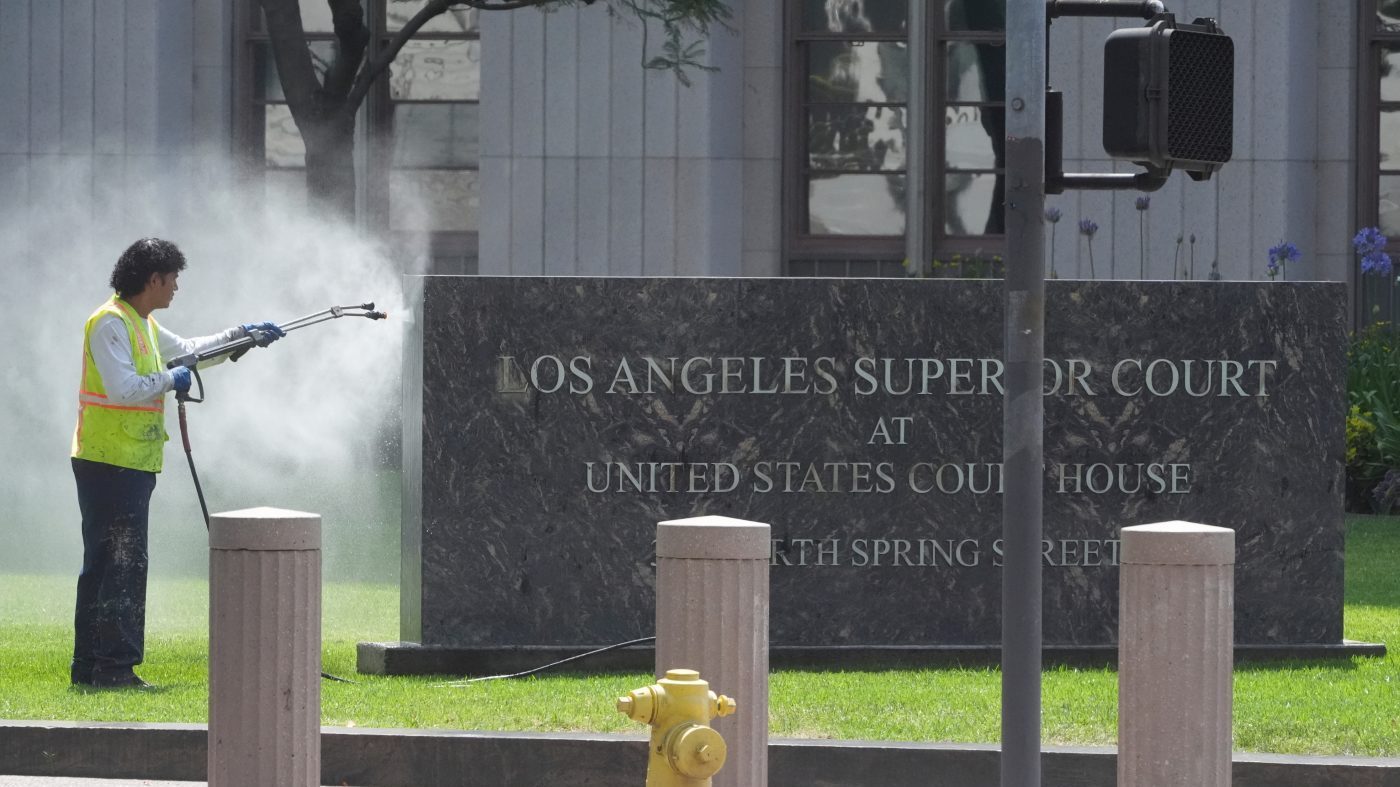
Meta and Snap are back in a Los Angeles courtroom this week as the latest bellwether trial begins over claims that their social media platforms are deliberately engineered to hook young users. Jury selection kicks off Wednesday in Los Angeles Superior Court for a consolidated case brought by two teenagers, identified only as S.J. and K.D.B., who argue the companies' products caused or worsened their mental health struggles during adolescence.
This trial is the third of its kind this year, part of a wave of litigation accusing social media firms of prioritizing engagement over user well-being. The plaintiffs' attorneys contend that features like Snapstreaks, Snapscore, endless scrolling, and like counts are not neutral tools but sophisticated mechanisms designed to exploit psychological vulnerabilities and maximize screen time. According to the complaint, these design choices have driven compulsive use and contributed to depression, eating disorders, anxiety, self-harm, and suicidal thoughts in young users.

Case Consolidation and Settlements
S.J., a teenager from Illinois, began using Snapchat at a young age, drawn into its streak and score systems, which attorneys say fueled her compulsive engagement. K.D.B., an 18-year-old from Mississippi, similarly started using Instagram and Snapchat as a child, alleging that the platforms' feedback loops worsened her mental health. Both plaintiffs also sued TikTok and YouTube, but reached settlements with those platforms in the weeks before trial. Meta and S.J. also settled last week, leaving K.D.B.'s claims against Meta and Snap to proceed.
The trial is expected to run through mid-December, with opening statements slated for Nov. 4. Judge Carolyn Kuhl will preside. Meta and Snap had asked the court to split the cases into separate trials, but no ruling had been issued by Wednesday.
Executives in the Hot Seat
A key feature of this trial will be testimony from top executives. Meta CEO Mark Zuckerberg, Snap CEO Evan Spiegel, and Instagram head Adam Mosseri are all expected to take the stand. Zuckerberg's appearance marks his second in Los Angeles in under a year; in February, he testified in a bellwether case that Meta ultimately lost. Mosseri testified just before Meta reached a landmark settlement with state attorneys general in August, during which he acknowledged that the company's “Take A Break” feature had lower adoption than hoped. Spiegel, who has testified in congressional hearings, will face his first trial testimony.
Snap has pushed back against the allegations, with a spokesperson arguing that Snapchat is “built differently” from traditional social platforms. The company notes that the app opens to a camera, not a feed, and emphasizes built-in safeguards and educational resources. Snap also cites independent research from the University of Amsterdam suggesting Snapchat has a positive impact on adolescent well-being compared with other platforms. Meta, for its part, disputes the claims, with a spokesperson pointing to the plaintiff's heavy use of TikTok and personal circumstances as contributing factors.
Legal Strategy and Precedent
This trial follows a playbook that has yielded wins for plaintiffs earlier this year. By focusing on platform design rather than user-generated content, lawyers are sidestepping Section 230 of the Communications Decency Act, which shields tech companies from liability for third-party posts. That 1996 law predates modern social media, and courts are increasingly allowing design-based claims to proceed. Meta already lost two kids' online safety trials in March, including a $567 million judgment in New Mexico. The outcome of this bellwether case could influence thousands of similar claims pending across the country.
As the trial unfolds, observers are watching whether the testimony of top executives—and internal documents that may surface—will sway the jury. The stakes are high for the tech industry, as a string of losses could embolden more plaintiffs and prompt legislative action. For now, the courtroom in Los Angeles will serve as the battleground for a legal fight that has become a defining issue for social media regulation.