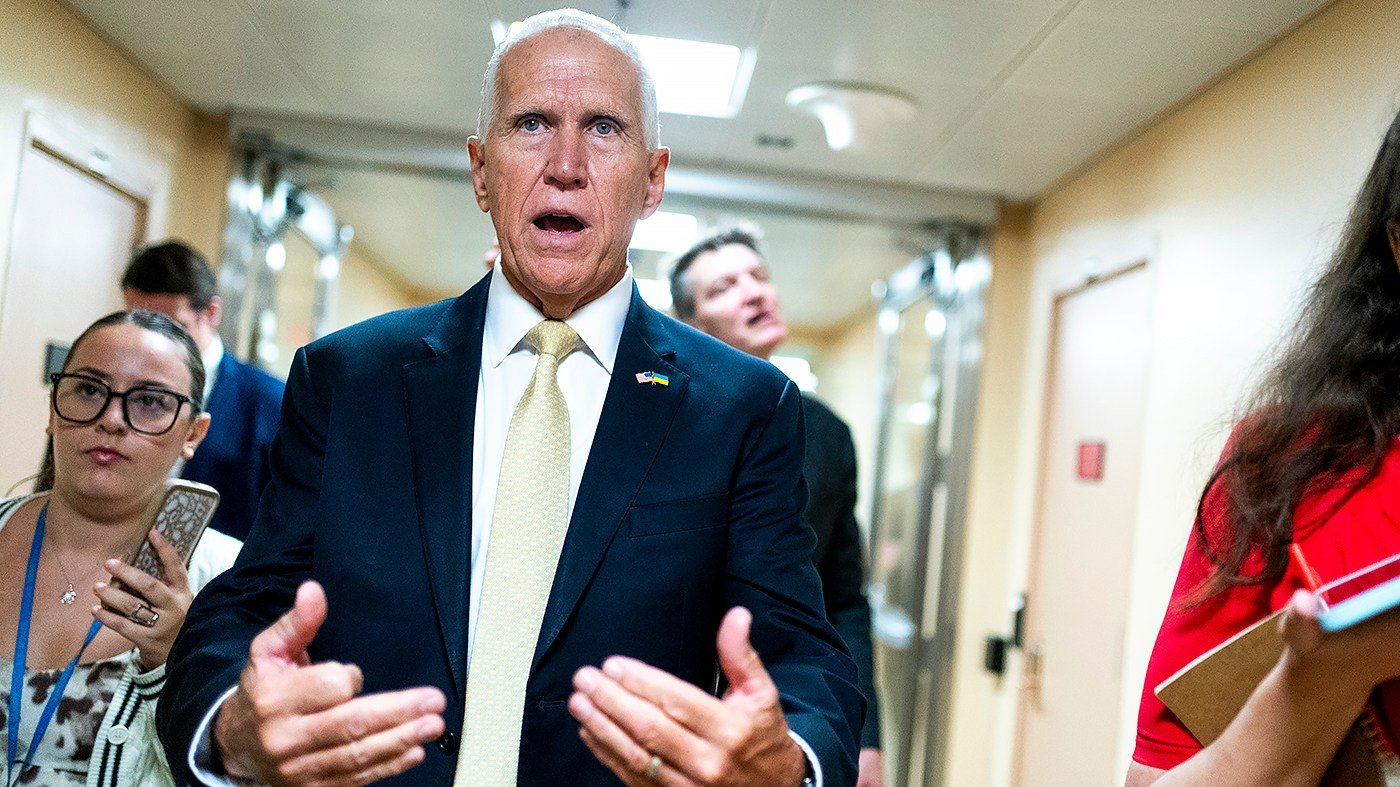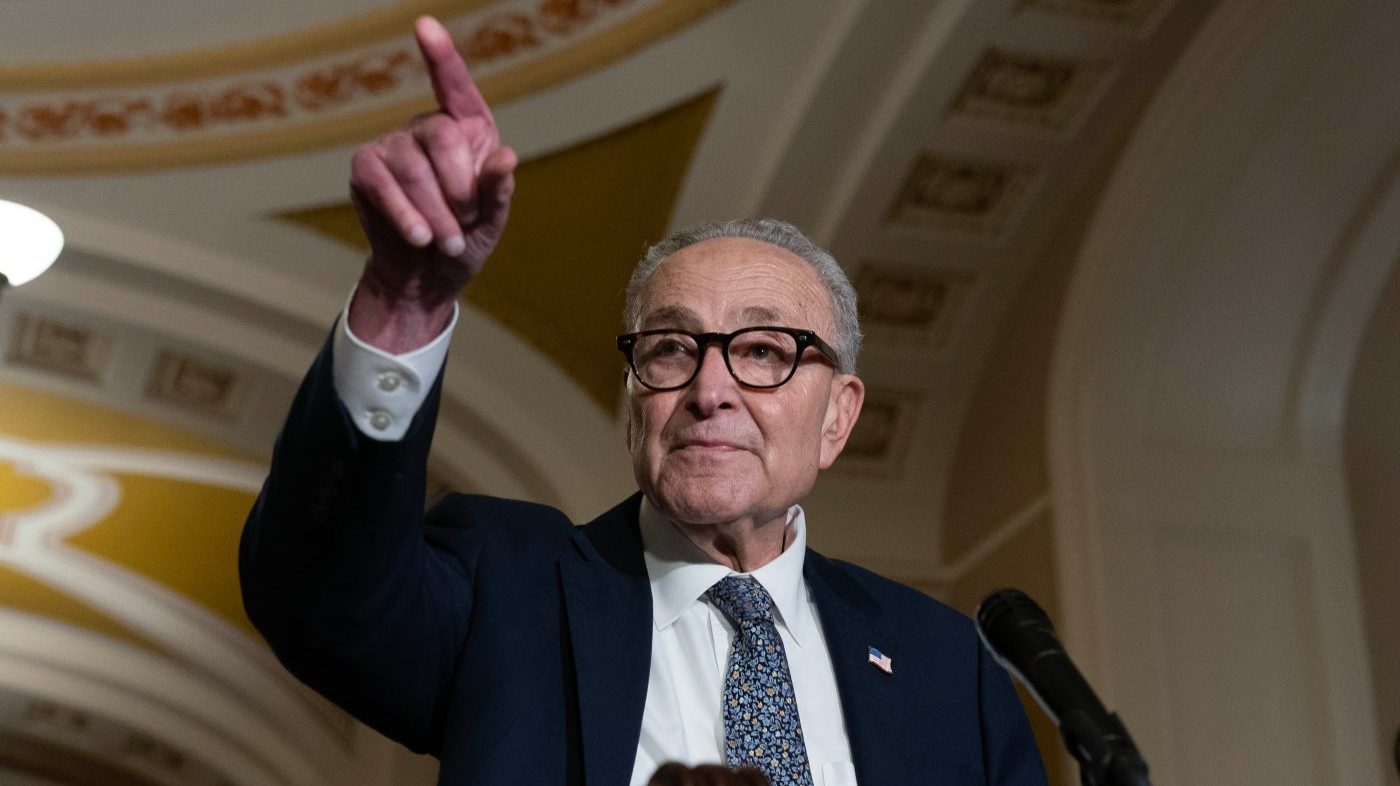
Democrats have clinched control of the Senate, a stunning reversal from a year ago when the chamber seemed out of reach. The party's victories in key battleground states—including North Carolina, South Carolina, and Texas—were fueled by President Trump's sagging approval ratings and a volatile political climate dominated by the Iran war and economic anxiety.
With the majority secured, Democrats will gain sweeping oversight powers, control the Senate calendar, and hold significant sway over judicial and executive nominations. This sets the stage for Sen. Chuck Schumer (D-N.Y.) to reclaim the majority leader's gavel in 2027, putting him in a position to engage in hardball negotiations with the White House on spending and other priorities.

The loss is a pointed rebuke of Trump, who campaigned aggressively for Republican candidates in the final weeks. High gas prices tied to the Iran conflict and broader economic concerns gave Democrats a potent message, allowing them to overcome the GOP's financial advantage. Republicans and their aligned super PACs vastly outspent Democrats, with more than $153 million poured into Texas alone against Democrat James Talarico, and over $115 million in Ohio against former Sen. Sherrod Brown, according to OpenSecrets.org.
Democrats flipped their first seat of the night in North Carolina, where former Gov. Roy Cooper defeated Michael Whatley, former chair of the Republican National Committee. A second major pickup came in South Carolina, where pediatrician Annie Andrews beat Sen. Darline Graham, who had been appointed earlier this year after her brother, Sen. Lindsey Graham, died suddenly. In Texas, state Rep. James Talarico handily defeated Attorney General Ken Paxton, a Trump-endorsed candidate who had ousted Sen. John Cornyn in the GOP primary.
The political headwinds were compounded by the administration's controversial handling of the Minneapolis killings of two U.S. citizens by federal agents, as well as a trade war with Canada that raised prices and inflamed voters in border states. Political handicappers initially gave Democrats less than even odds, but by Election Day they were favored to win both chambers. Decision Desk HQ gave Democrats a 60% chance in the final week, while the Kalshi prediction market put it at 76% just hours before polls closed.
The Senate loss leaves Trump's legislative agenda in limbo, even during the lame-duck session. Senate Majority Leader John Thune (R-S.D.) faces a choice: spend the remaining weeks confirming as many Trump nominees as possible or pursue a budget reconciliation package to fund the Defense Department over Democratic objections. Democrats have warned that Trump's judicial and executive nominees will face tough confirmation battles under their control.
Schumer is expected to be elected majority leader in December, though some incoming senators, such as Juliana Stratton of Illinois, have threatened to withhold support. Thune is likely to become minority leader. Meanwhile, Trump's final-week campaign blitz—including stops in Rock Hill, S.C., Chillicothe, Ohio, and Corpus Christi, Texas—failed to stem the tide, despite his pleas for supporters to "pretend I'm on the ballot."
Democrats now face pressure from their base to turn electoral wins into legislative victories, but they will still need Trump's signature to pass most bills. The party's success on Tuesday, including retaking the House, signals a new era of divided government, with Democrats poised to challenge Trump on multiple fronts. As one analyst noted, the Senate flip is a key win for Democrats that reshapes the political landscape heading into 2027.