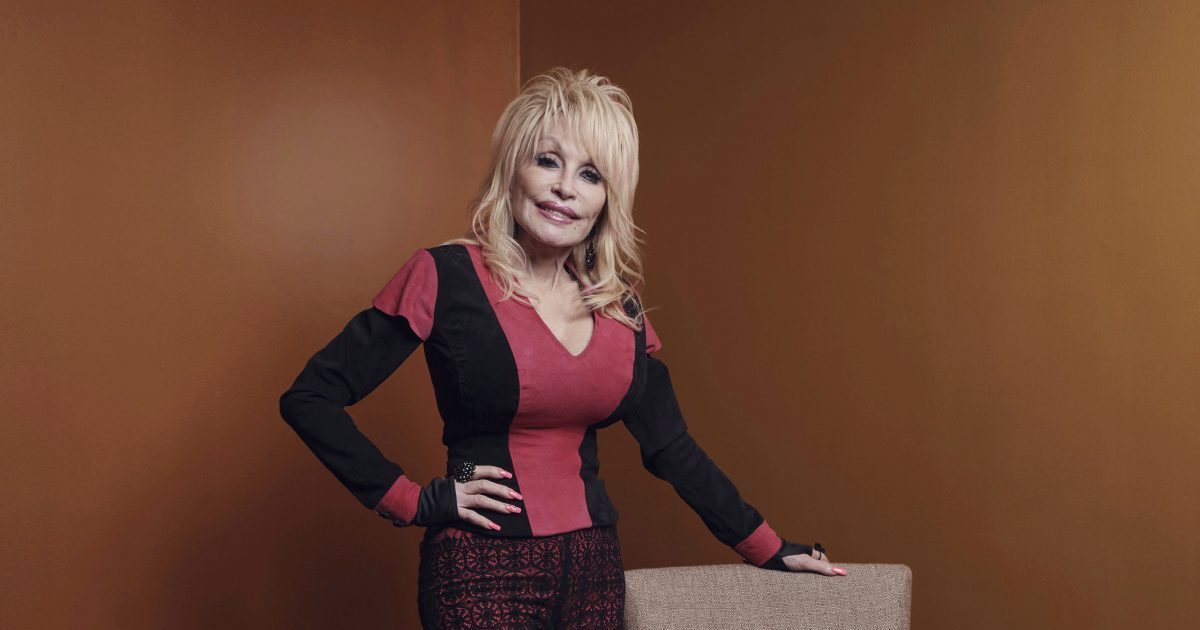
Dolly Parton, the iconic country singer and philanthropist from East Tennessee, died Tuesday at 80. Her legacy extends far beyond her music and charity, as her name graces everything from a major theme park to a species of ancient moss. Here's a rundown of the most prominent tributes bearing her name.
Commercial Ventures and Landmarks
The most famous is Dollywood, the theme park in Pigeon Forge, Tennessee, which Parton co-owned. Originally opened in 1961 as Rebel Railroad, it later became Silver Dollar City Tennessee before being renamed Dollywood in 1986 after Parton joined as co-owner. The park draws millions of visitors each year and supports over 19,000 regional jobs, according to the Greater Pigeon Forge Chamber of Commerce.
Travelers can also stop at Dolly's Tennessean Travel Stop in Cornersville, Tennessee, which opened in June off Interstate 65. The themed facility sells Parton's coffee brand, "Cup of Ambition," inspired by her hit "9 to 5," and plans for additional locations may be in the works.
In her hometown of Sevierville, visitors can drive along Dolly Parton Parkway and see a statue on the courthouse lawn, plus several murals. Later this year, Nashville is set to welcome Dolly Parton's Songteller Hotel, which will house the Dolly's Life of Many Colors Museum on its third floor. The hotel begins taking reservations in September, with the museum opening in October.
Philanthropic and Scientific Namesakes
Parton's Imagination Library, launched in 1995, has grown from a Sevier County initiative to a program serving one in six U.S. children under age five. A spokesperson confirmed the free books will continue after her death.
In the scientific realm, a lichen species discovered in the Appalachians in 2015 was named Japewiella dollypartoniana in her honor. Researchers cited her rise "from humble roots to stardom" as the inspiration.
Even more ancient, a 460-million-year-old moss species found in Tennessee was named Dollyphyton boucotii in 2019, with the discovery made near Dollywood.
Then there's Dolly the sheep, the first cloned mammal, created from a mammary gland cell. Parton told The Guardian she was "flattered" by the naming, though she added, "I don't want to be cloned myself."
As tributes pour in, including from President Biden and other leaders, Parton's name remains etched in both popular culture and natural history.