Energy costs have emerged as a defining issue in the 2026 midterm elections, but the pain is not uniform. While diesel prices squeeze Midwest farmers, homeowners in the Northeast face soaring heating oil bills, and residents in data center hubs like Texas and Ohio worry about electricity costs.
The uneven impact reflects a broader affordability crisis that has become a central theme for voters. According to recent polls, inflation and energy prices rank among the top concerns, with many voters expressing frustration over their monthly utility and fuel expenses. The issue is particularly acute in battleground districts where economic anxiety is high.
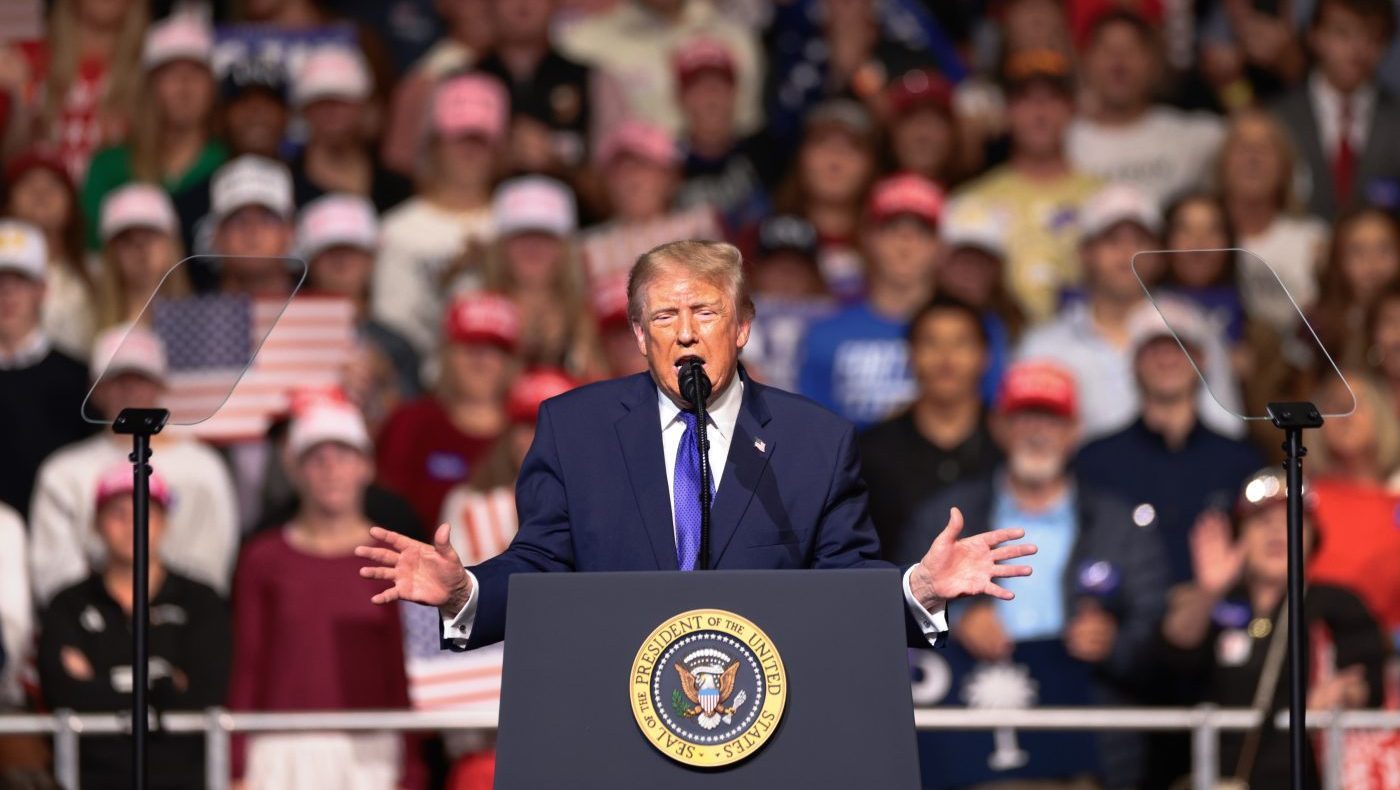
Democrats have sought to capitalize on this discontent by tying energy price spikes to President Trump's policies, including his handling of the war in Iran and his embrace of artificial intelligence, which has driven up electricity demand. They argue that the administration's focus on AI and data centers has come at the expense of everyday Americans.
The political stakes are significant. As of Wednesday, Decision Desk HQ gave Democrats an 80 percent chance of winning the House and a 58 percent chance of taking the Senate. These numbers reflect a favorable environment for the opposition, as energy costs continue to erode consumer confidence.
In the Midwest, farmers are feeling the pinch at the pump. Diesel prices have climbed sharply, increasing the cost of planting and harvesting. "Every trip to the field is more expensive," said a farmer from Iowa, who asked not to be named. "It's cutting into our margins, and we're not sure how much longer we can absorb it."
Meanwhile, in the Northeast, homeowners are bracing for a costly heating season. Heating oil prices have surged, forcing many families to make difficult choices. "We're seeing people who normally fill their tanks in October wait until the last minute," said a fuel delivery worker in Maine. "It's a real strain."
The issue is also resonating in states like Texas and Ohio, where the growth of data centers has put pressure on the electric grid. Residents have reported higher utility bills, and some have questioned whether the benefits of the tech boom are worth the cost. A recent bipartisan bill aims to address this by funding grid upgrades and promoting AI efficiency, but its fate remains uncertain.
Energy costs have also become a talking point in down-ballot races, with candidates on both sides offering competing solutions. Some have called for increased domestic production, while others advocate for subsidies and price caps. The debate is likely to intensify as the election draws closer.
For Democrats, the strategy is clear: link the pain at the pump to the White House. They have also pointed to September's inflation uptick as evidence that the administration's policies are failing. Republicans, however, argue that the global market and geopolitical tensions are to blame, not domestic decisions.
As the midterms approach, the energy issue is likely to remain a potent force. Voters are paying close attention to their bills, and they will hold their representatives accountable. Whether this translates into a Democratic wave or a narrow victory remains to be seen, but the pressure is on.