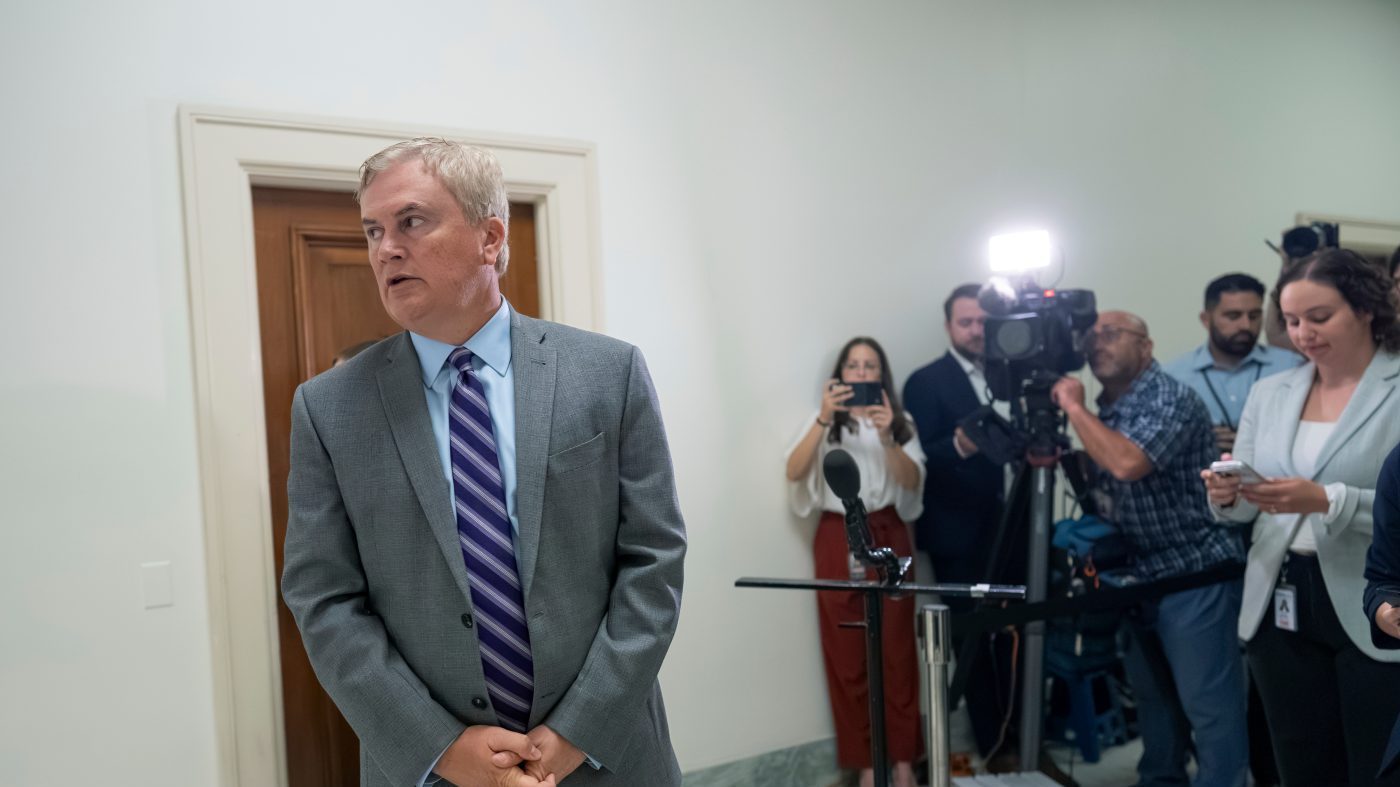
House Oversight Committee Chair James Comer (R-Ky.) on Thursday initiated an investigation into allegations that Democrat Mary Peltola's Senate campaign in Alaska tried to manipulate the state's unique electoral system by recruiting a candidate with the same name as her Republican opponent, Sen. Dan Sullivan, to split the GOP vote.
The probe follows a New York Times report detailing how Peltola's campaign allegedly coordinated with national Democratic operatives to encourage a man named Dan Sullivan to file as a Senate candidate in Alaska's nonpartisan top-four primary. The goal, according to the report, was to confuse voters and peel away support from the incumbent Republican.
Peltola's campaign and national Democratic groups have denied any involvement in the alleged scheme. But Comer, in a statement, framed the episode as part of a broader pattern of Democratic misconduct. "Democrats are the party of fraud," he said. "Knowing they can't win on the issues, Democrats schemed to rig the U.S. Senate election in Alaska by deliberately confusing voters. This is part of a broader pattern of misconduct by today's Democrat Party."
Comer added: "Americans deserve answers about this latest attempt by Democrats to defraud the American people, and we will get them."
As part of the investigation, Comer sent letters to Elisa Rios, Peltola's former campaign manager, and Jerid Kurtz, a Democratic operative named in the Times report, requesting transcribed, in-person interviews. Rios has been asked to testify on Nov. 5, and Kurtz on Nov. 6.
Ballot "stacking"—the practice of recruiting candidates with similar names to confuse voters—is not new to Alaska's political landscape. Under the state's nonpartisan, top-four primary system, which was adopted by voters in 2020, all candidates appear on a single primary ballot, and the top four finishers advance to the general election. GOP strategists have previously noted that the tactic is not illegal, though it has drawn criticism for undermining voter clarity.
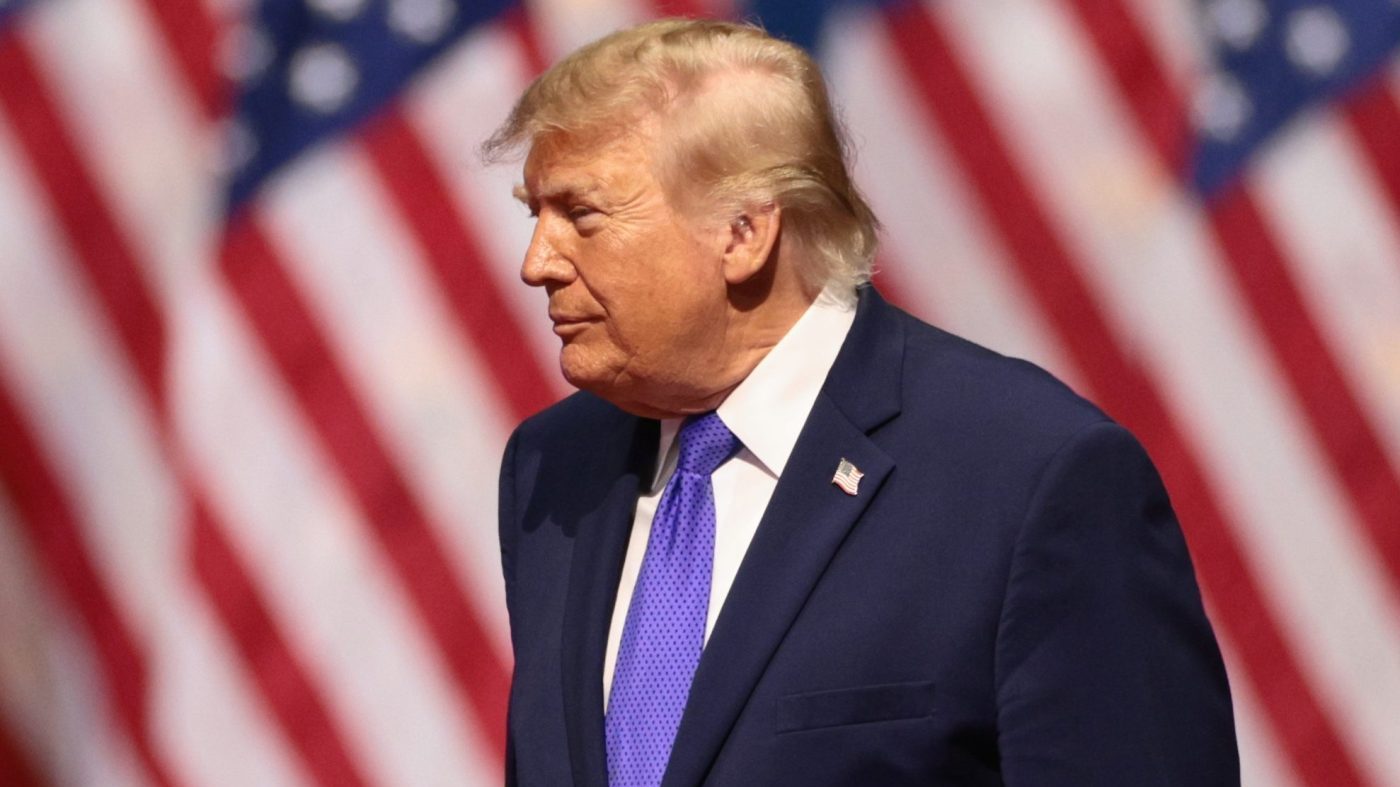
President Trump weighed in on the controversy Wednesday, posting on Truth Social that he believes Peltola should be barred from running. "The Democrats cheated! They found a man named Dan Sullivan, put him on the Ballot, then lied to the Court, and said they didn't know anything about it. That's perjury. She shouldn't be allowed to run, and neither should the FAKE Dan Sullivan!" he wrote.
The president's call has been echoed by other Republicans, though some have stopped short of demanding prosecution. Sen. Rick Scott (R-Fla.) has urged the Justice Department to investigate the alleged scheme, and Alaska Gov. Mike Dunleavy has ordered a state-level probe. Sen. Lisa Murkowski (R-Alaska), who faces her own reelection in 2026, has demanded that Peltola directly address the allegations.
Meanwhile, the controversy has injected fresh uncertainty into the final stretch of the Alaska Senate race, with recent forecasts suggesting the outcome could be tighter than previously expected. The spoiler scandal's impact on the forecast remains a key variable as Election Day approaches.
Comer's investigation adds a new layer of political peril for Peltola, who is already fighting an uphill battle in a state that backed Trump twice. The committee's request for interviews suggests the GOP intends to keep the issue in the spotlight through the election. Republican attacks on Peltola over the alleged scheme have intensified in recent days, and the president's demand that she be disqualified has further galvanized conservative critics.
Peltola's campaign has not yet responded to Comer's request, but her team has previously dismissed the allegations as a distraction. With early voting already underway in Alaska, the investigation could influence undecided voters, though its full effect remains to be seen.