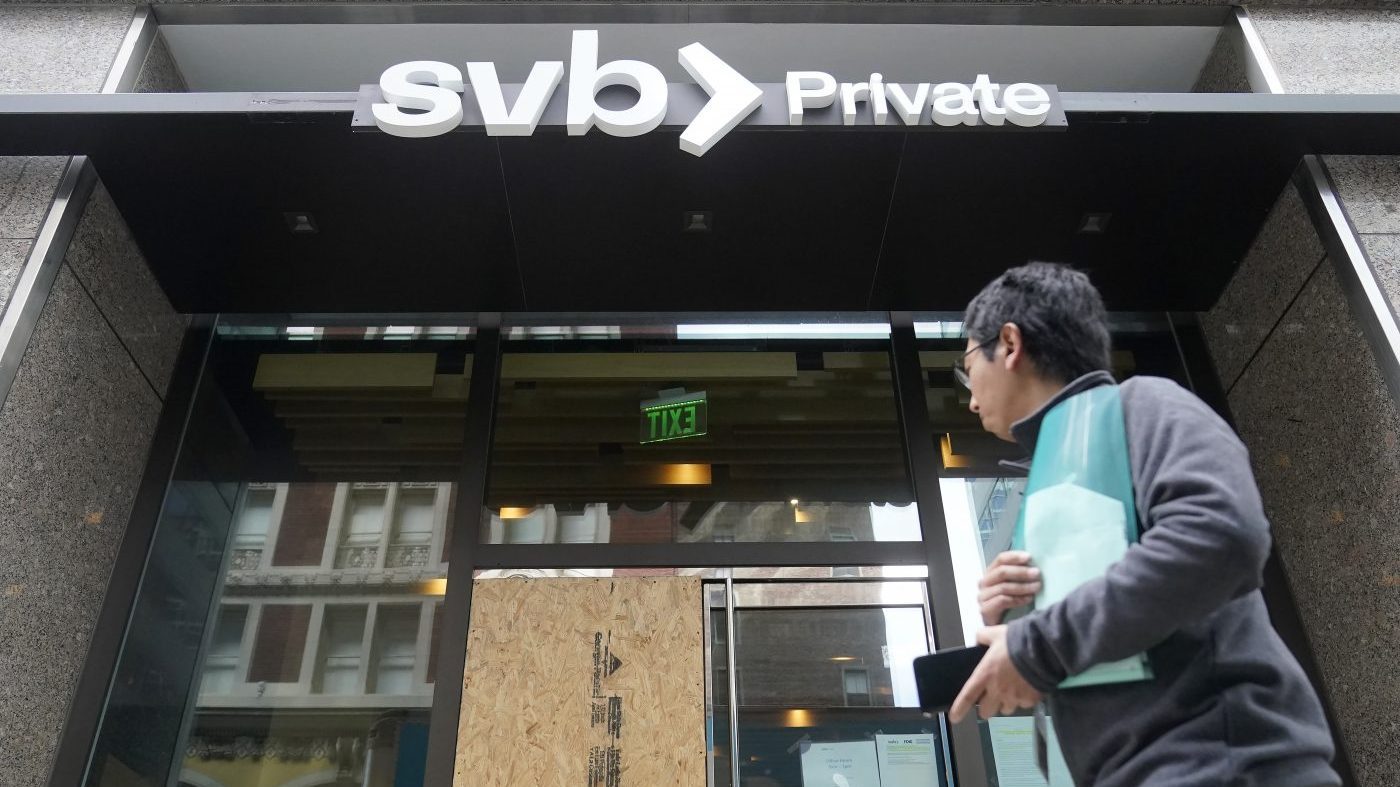
The Federal Reserve's own supervisory staff bore significant responsibility for the collapse of Silicon Valley Bank, according to initial findings from an independent review commissioned by the central bank's top regulator. Michelle Bowman, the Fed's vice chair for supervision, said Friday that the review concluded supervisors “knew or should have known” about the bank's vulnerabilities well before its failure in March 2023.
The review, conducted by the Starling Advisory Group, found that the largest bank failure since the 2008 financial crisis stemmed from a combination of poor management at the bank and a lack of “decisive action” by Fed staff. It also pushed back on a prior assessment from Bowman's predecessor, Michael Barr, by concluding that a 2018 law easing parts of the Dodd-Frank Act did not cause the delayed supervisory response.

Speaking in London, Bowman called the report “a pivotal moment not just in our understanding of what went wrong at SVB, but in our understanding of what went wrong within the Federal Reserve's supervisory process.” She stressed that the review was not about assigning blame but about “learning lessons from the past to avoid repeating them in the future.”
The collapse of Silicon Valley Bank in early 2023, followed quickly by the failures of First Republic Bank and Signature Bank, exposed how rising interest rates in 2022 and 2023 created massive unrealized losses on the bank's bond portfolio. The bank's heavy reliance on uninsured deposits from venture capital-backed tech firms left it dangerously exposed to a run, the review noted.
According to the review, Fed supervisory staff were aware of these vulnerabilities as early as March 2022, yet failed to take “prompt and decisive action to encourage or require” the bank to reduce its risk. The report attributed this inaction to a “long-standing culture of risk aversion” among examiners, who “believed it was personally safer to take no action unless they were certain the action was exactly right.” It also pointed to confusion over who had the authority to decide on the proper course of action.
Bowman, who took over the vice chair role last June, had requested the new investigation after Barr's earlier report drew criticism. Barr's April 2023 report similarly criticized bank leaders for failing to manage risks and acknowledged that Fed supervisors did not “fully appreciate the extent” of the bank's vulnerabilities. However, Barr also argued that the 2018 rollback of portions of Dodd-Frank “impeded effective supervision by reducing standards, increasing complexity, and promoting a less assertive supervisory approach.”
The new review's conclusion that the 2018 law did not play a role in the delayed response marks a notable shift in the internal debate over the causes of the bank failure. It aligns with arguments from some Republicans who have defended the regulatory changes as necessary to ease burdens on smaller banks.
The findings come as the Fed continues to face scrutiny over its oversight of the banking system. Lawmakers on both sides of the aisle have expressed concerns about the agency's ability to identify and address risks at large regional banks. The review's emphasis on internal culture may prompt broader discussions about how the Fed trains and incentivizes its examiners, particularly as it relates to emerging risks in the financial sector.
Bowman said the Fed would use the review's findings to improve its supervisory practices, though she did not specify what changes might be implemented. The full report is expected to be released in the coming weeks, and its recommendations could influence future regulatory policy.
The collapse of Silicon Valley Bank also highlighted the fragility of the tech industry's banking relationships, a topic that has drawn renewed attention as political fallout continues to shape the debate over bank regulation. The Fed's response to the crisis will likely remain a point of contention as the agency works to restore confidence in its oversight role.