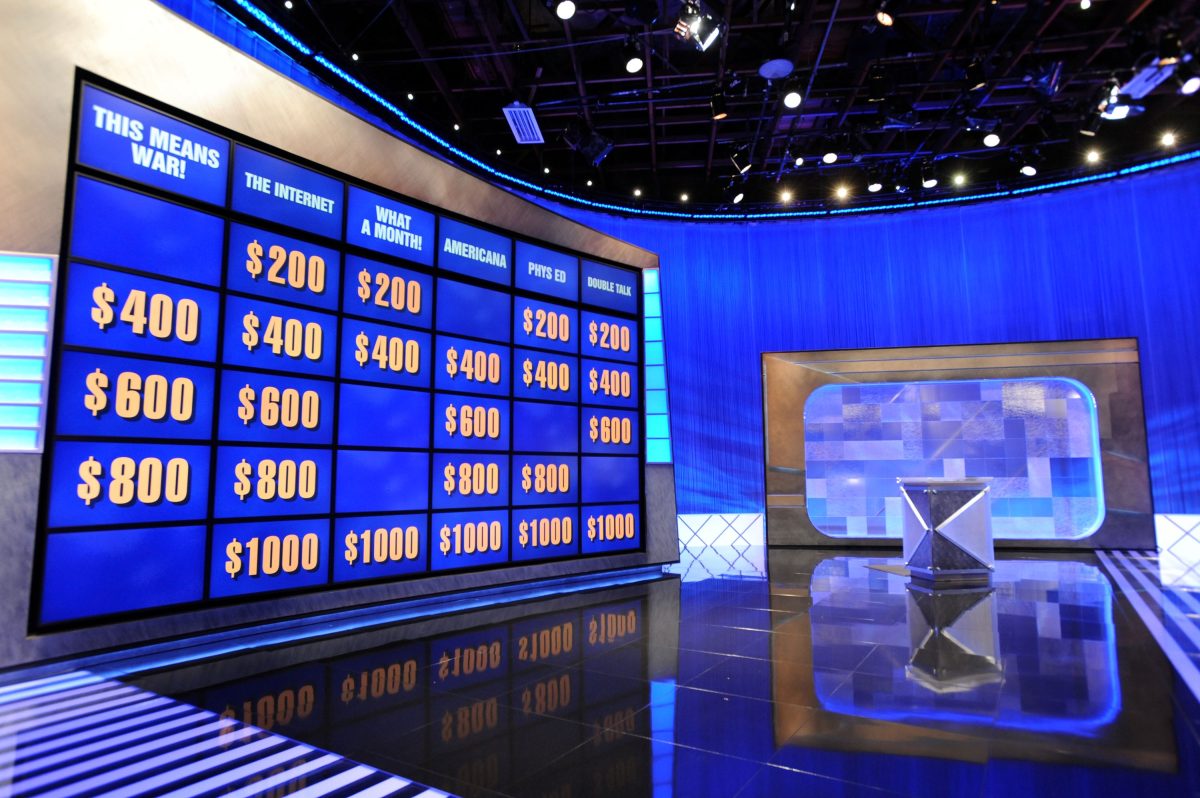
When Jamie Ding's historic 31-game winning streak ended on April 27, he walked away with a total of $882,605—a sum that dwarfs what the very first champion of the show took home six decades ago.
Ding, 33, earned $19,010 in his final game alone, a figure that likely would have stunned the winner of the inaugural episode in 1964. That contestant, whose name has faded from trivia lore, pocketed $2,680—the equivalent of about $26,000 today when adjusted for inflation.

The gap between then and now underscores how dramatically the stakes have risen for the iconic quiz show, which debuted on NBC in 1964. The show's creator originally wanted a different name, but settled on 'Jeopardy!' after network executives pushed for a snappier title.
From the start, the format was revolutionary: contestants had to respond in the form of a question, a twist that turned factual recall into a high-stakes game of wits. The show quickly became a cultural touchstone, and its prize structure evolved in tandem with the rising cost of living—and the growing appetite for prime-time cash.
Today, a single correct answer in the final round can net a player more than the entire first winner's haul. In 1964, the maximum daily prize was $1,000; now, champions routinely pull in five or six figures over a few weeks.
That evolution mirrors broader economic trends. The $2,680 first prize, adjusted for inflation using the Consumer Price Index, would be worth roughly $26,000 in 2025 dollars—still less than what many contestants earn in a single episode. For perspective, Ding's daily average over his streak was about $28,500.
The show's longevity—now in its sixth decade—has also made it a fixture in American households, a rare constant across generations of viewers. But the money has never been the main draw; it's the knowledge, the strategy, and the thrill of the question.
As Ding's run showed, the real prize is the spotlight—and the chance to join a pantheon of trivia legends. The first winner might not have become a household name, but the show he helped launch continues to shape how we test our wits.