Wholesale inflation accelerated sharply in September, with the producer price index rising 1.3% from the prior month—the steepest monthly climb since February 2022—according to data released Thursday by the Bureau of Labor Statistics. The surge, driven largely by a 10.8% jump in energy prices, pushed the annual rate to 6.3%, the highest since December 2022.
The monthly increase far exceeded economist expectations. A Wall Street Journal survey had forecast a 0.6% monthly gain and a 5.5% annual rise. The report follows Wednesday's consumer price index showing that retail inflation ticked up to 3.7% year-over-year in September, with gasoline accounting for more than half of the monthly increase.
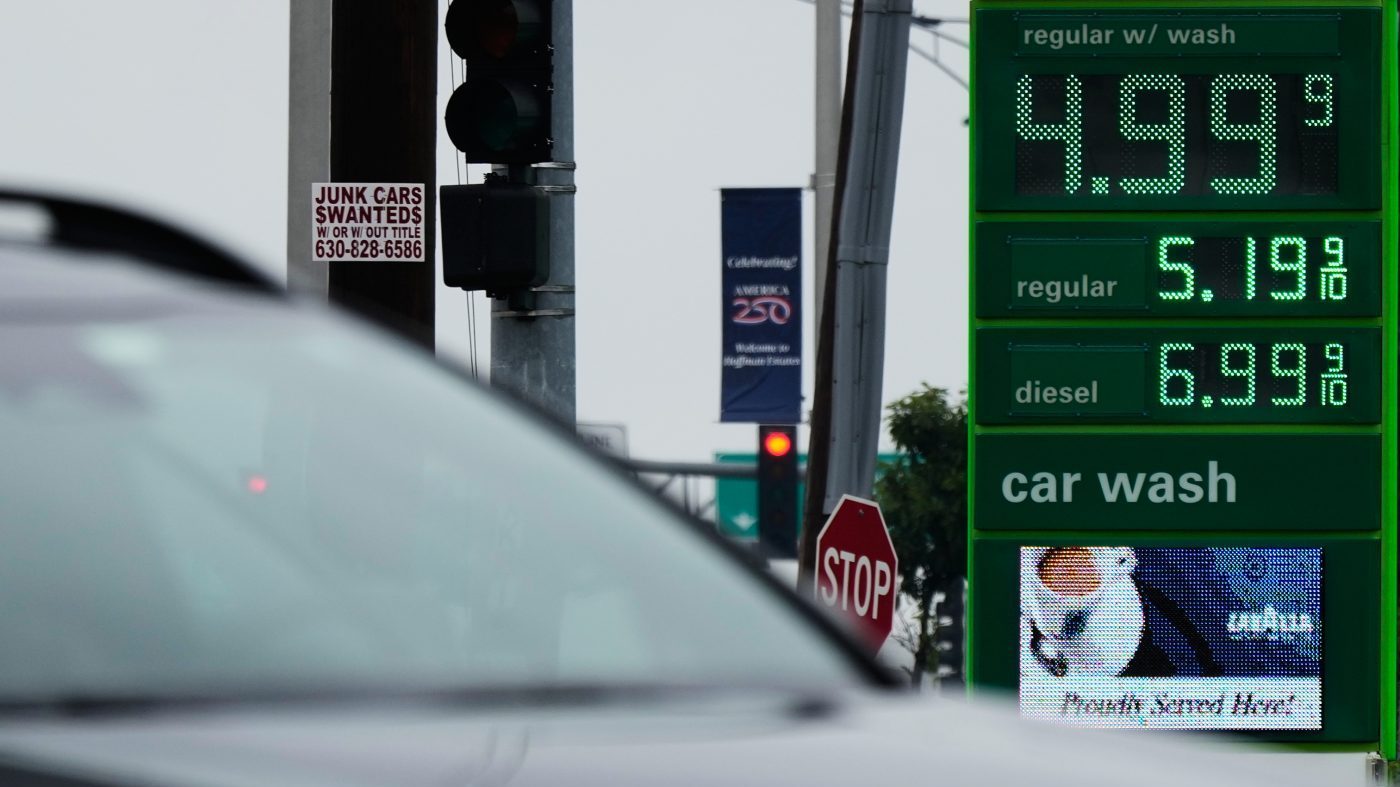
Energy costs were the primary culprit behind the wholesale spike, reflecting the ongoing fallout from the Iran conflict. The Islamic Republic has restricted shipping in the Strait of Hormuz, a critical chokepoint for global oil shipments. West Texas Intermediate crude, the U.S. benchmark, was trading above $96 per barrel Thursday morning. Oil prices also climbed after Iran-backed Houthi militants launched deadly attacks on Saudi Arabian airports in recent days.
The inflation data complicates the Federal Reserve's path. Central bank officials are set to meet later this month, weighing whether to raise interest rates for a second consecutive meeting. The latest figures suggest that inflation is not steadily declining toward the Fed's 2% target, a concern echoed by economists.
Heather Long, chief economist at Navy Federal Credit Union, said Thursday that it is “inevitable” companies will pass on higher costs to consumers. “It’s yet another reason this fight against inflation is likely to be longer than anyone wants,” she wrote on social platform X.
The producer price index measures what businesses pay for goods and services before they reach consumers, making it a leading indicator of future retail price changes. The September data follows more moderate increases earlier in the summer: wholesale prices rose 0.5% from July to August and 0.2% from June to July.
The energy-driven surge adds pressure on the White House, which has been exploring measures to ease fuel costs. A proposed deal to import Russian diesel has drawn scrutiny, though analysts question whether it would meaningfully lower pump prices. Meanwhile, oil prices have climbed as the administration weighs new strike options against Iran, further complicating the outlook.
The inflation reports also come as the Social Security Administration faces long-term solvency questions, with cost-of-living adjustments tied to inflation. Rising prices erode purchasing power for retirees and other fixed-income households.
Economists warn that the combination of geopolitical instability and supply constraints could keep inflation elevated for months, delaying any Fed pivot toward easing. The central bank's next decision is expected on November 1.