Crude oil prices have nearly returned to prewar levels following the U.S.-Iran memorandum of understanding aimed at ending the conflict, yet gasoline prices at the pump remain stubbornly high. The disconnect is fueling public anger and political finger-pointing, but analysts say the real culprit may be closer to home.
Station Owners, Not Big Oil, Under Fire
President Trump has lashed out at major oil companies, accusing them of price gouging and ordering the Department of Justice to investigate. But industry experts argue that the blame lies elsewhere. "The public is mad at the major oil companies because gasoline prices have not fallen as fast as the price of crude oil. Their anger is misplaced," said Andy Lipow, president of Lipow Oil Associates. "They should be mad at the local gasoline service station owner. They are making lots of money."
Major oil companies own fewer than 5% of service stations, according to the American Petroleum Institute, even though their brands are sold at most of them. The National Association of Convenience Stores reports that about 55% of gas stations are single-location small businesses.
From Rocket to Feather
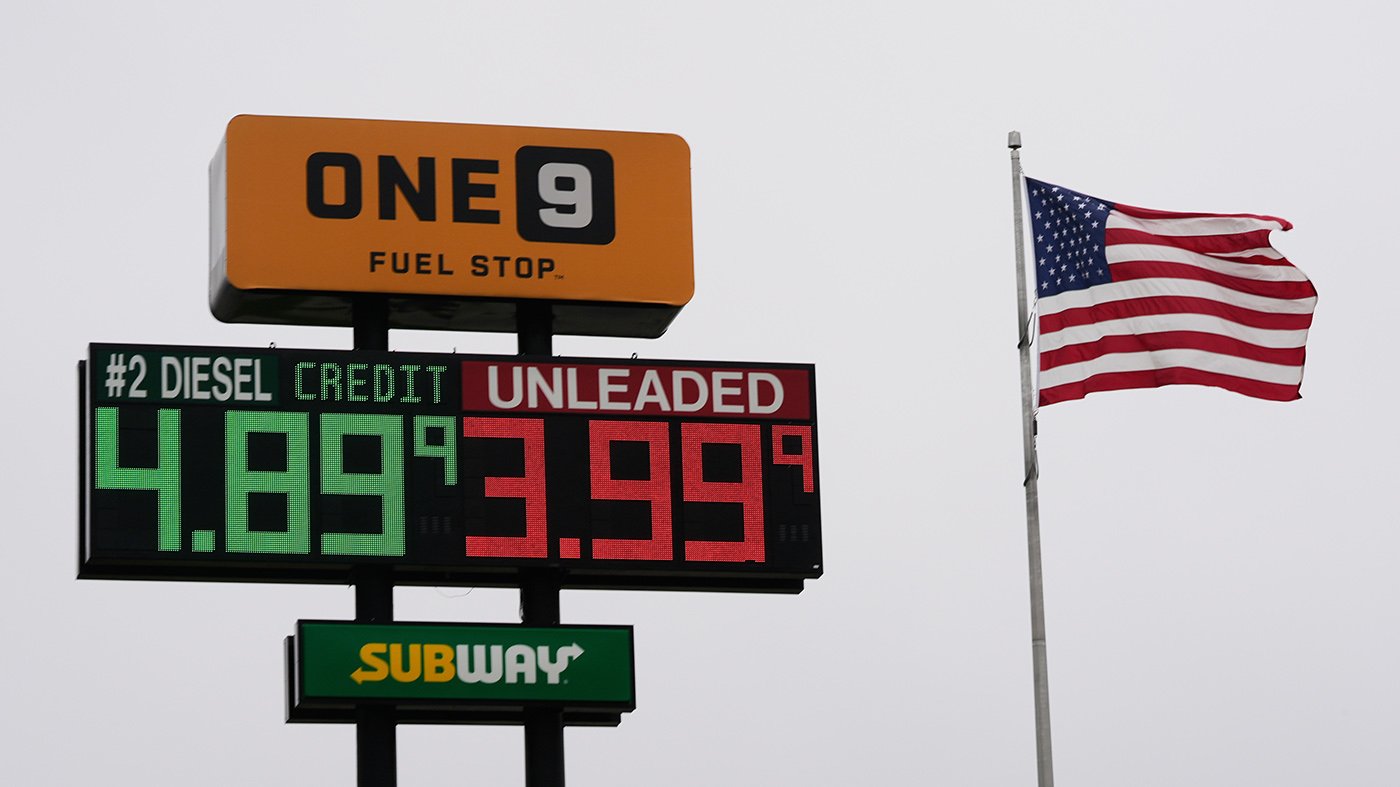
Oil prices soared after Iran shut down the Strait of Hormuz, a chokepoint for about a fifth of global oil shipments. The national average gasoline price topped $4.50 per gallon earlier this year. Since the MOU, West Texas Intermediate crude has fallen to around $69 per barrel, nearly back to its prewar level of $67. Yet as of last Friday, the national average gasoline price was $3.90, nearly a dollar above its late-February level.
"There's an adage that retail prices 'rise like a rocket, fall like a feather,'" said Rob Smith, director of global fuel retail at S&P Global Energy's Refining and Marketing group. "Retail operators were squeezed in terms of their margin in April, so there is a need to recoup that margin."
Low gasoline inventories are also keeping prices high. Claudio Galimberti, chief economist at Rystad Energy, noted that it's peak driving season and demand is strong. "Inventories have been going down everywhere in the world," he said.
Political Fallout and Consumer Pain
Trump's social media posts accusing oil companies of gouging drew a sharp response from the American Petroleum Institute. "Gasoline prices don't move in lockstep with crude oil, especially during a major global disruption," said API spokesperson Bethany Williams. Chevron CFO Eimear Bonner told CNBC that "it's going to take time" for prices to reflect lower crude costs.
The high prices are hitting low- and middle-income Americans hard. Mark Wolfe, executive director of the National Energy Assistance Directors Association, said families are forced into difficult tradeoffs: "Lower-income households are likely to take on additional credit card debt just to pay for gasoline and heating. Middle-income families are more likely to cut discretionary spending."
Recent polling shows 67% of Americans have been financially affected by surging gas prices during the Iran conflict, and the latest inflation data shows prices rising 4.2% in May, with energy costs a major driver.
Strait Tensions Remain
The MOU's key provision—free passage through the Strait of Hormuz—remains fragile. Iran fired on a ship last week, claiming it wasn't using the proper route, and the U.S. responded with military action. While the deal has eased some price pressure, the underlying geopolitical risk persists. As one analyst put it, the gasoline market's recovery is likely to be gradual, and the political debate over who is to blame is far from over.