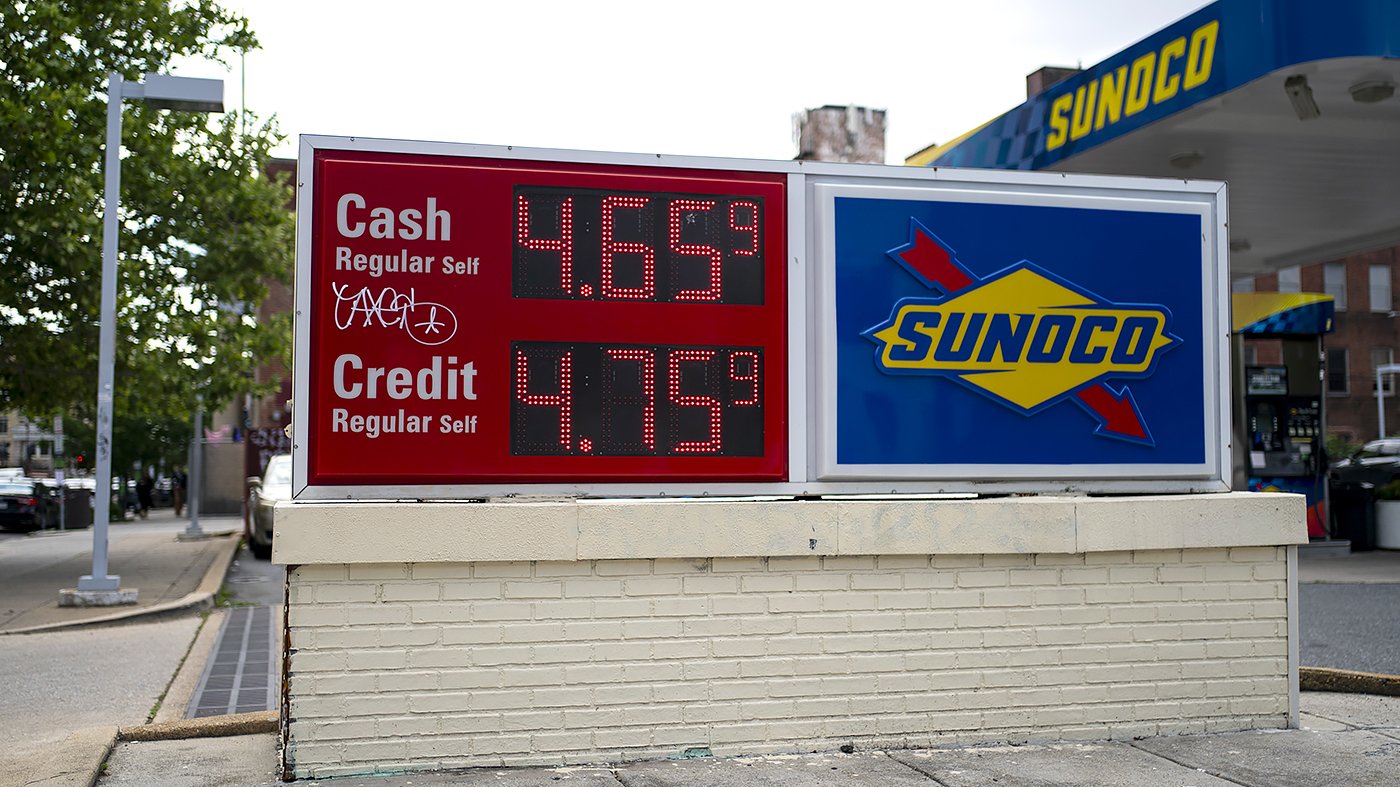
A new Gallup survey underscores the economic toll of the Iran war on American households, with two in three respondents saying rising gasoline prices have caused financial hardship.
The poll, conducted June 1-15 among 1,001 U.S. adults, found that 67% of participants reported that recent price hikes at the pump had created financial strain for themselves or their families. Only 33% said the increases had not caused hardship.
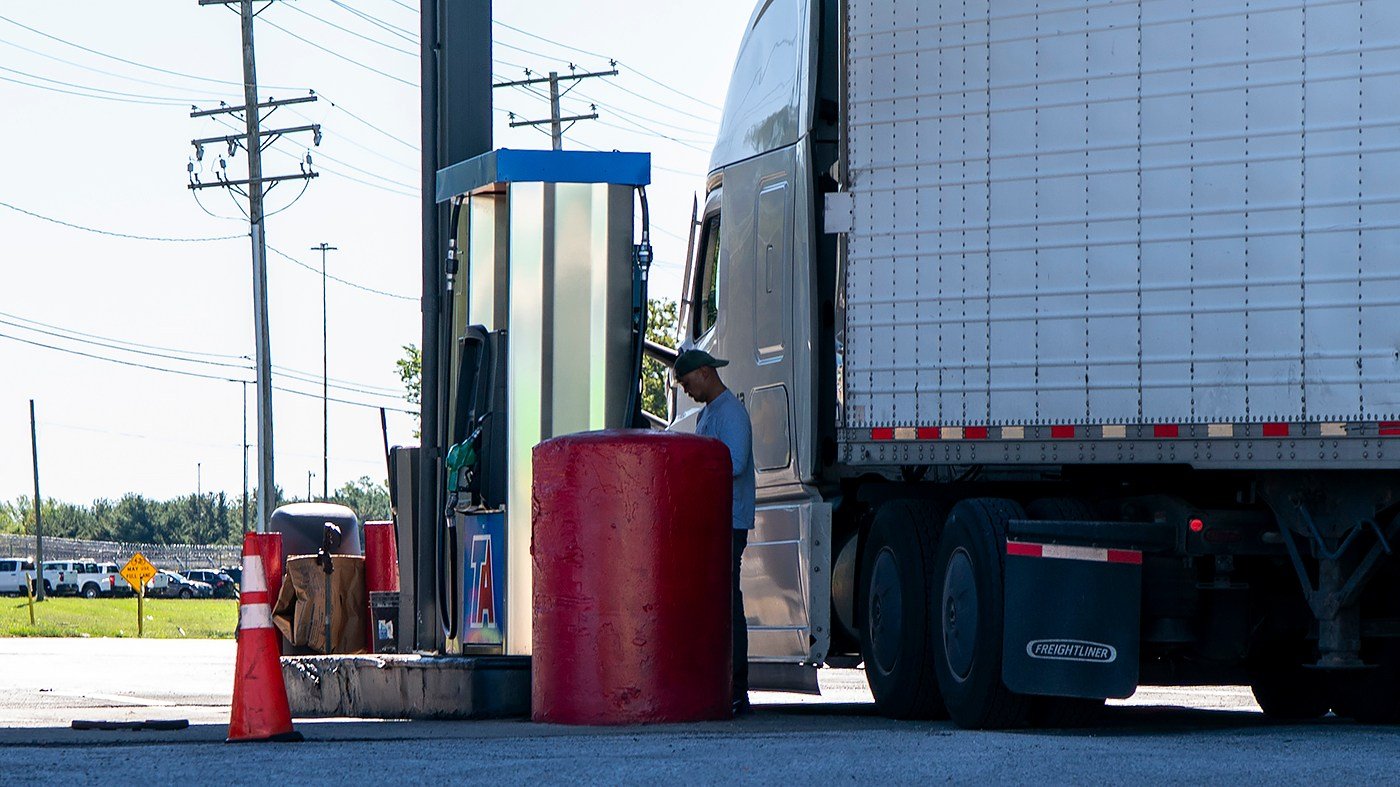
The survey comes as the conflict with Iran, which began in late February, has disrupted oil shipments through the Strait of Hormuz, a critical chokepoint for global crude supplies. The waterway's closure has sent prices soaring, though they have moderated slightly from recent peaks.
According to AAA, the average price for a gallon of regular gasoline stood at roughly $3.92 on Thursday, down from about $4.51 last month but still well above the $3.23 recorded a year ago.
Conflicting signals from Washington and Tehran regarding the strait's status have fueled market uncertainty. Over the weekend, Iran's military announced it would close the waterway in response to Israeli strikes in Lebanon. However, U.S. Central Command countered that commercial traffic through the strait actually increased on Saturday and that safe passage remained intact.
Energy Secretary Chris Wright added on Sunday that oil flows through the Strait of Hormuz are returning to normal, offering a cautious note of relief.
Beyond gas prices, the Gallup data paints a grim picture of the broader economy. A striking 72% of respondents said national economic conditions are deteriorating, while only 23% saw improvement. Three percent viewed conditions as stable, and 1% had no opinion.
The findings align with other recent polling that shows growing public pessimism. For instance, a separate poll found a majority of Americans now doubt anyone can achieve the American Dream, reflecting deep-seated economic anxiety.
The war's ripple effects extend beyond fuel. Rising energy costs have contributed to higher expenses across sectors, including agriculture. Fertilizer costs have surged 40% amid the conflict, threatening global food prices and adding to household financial strain.
The Gallup poll carries a margin of sampling error of plus or minus 4 percentage points, suggesting the true level of hardship could be even higher.