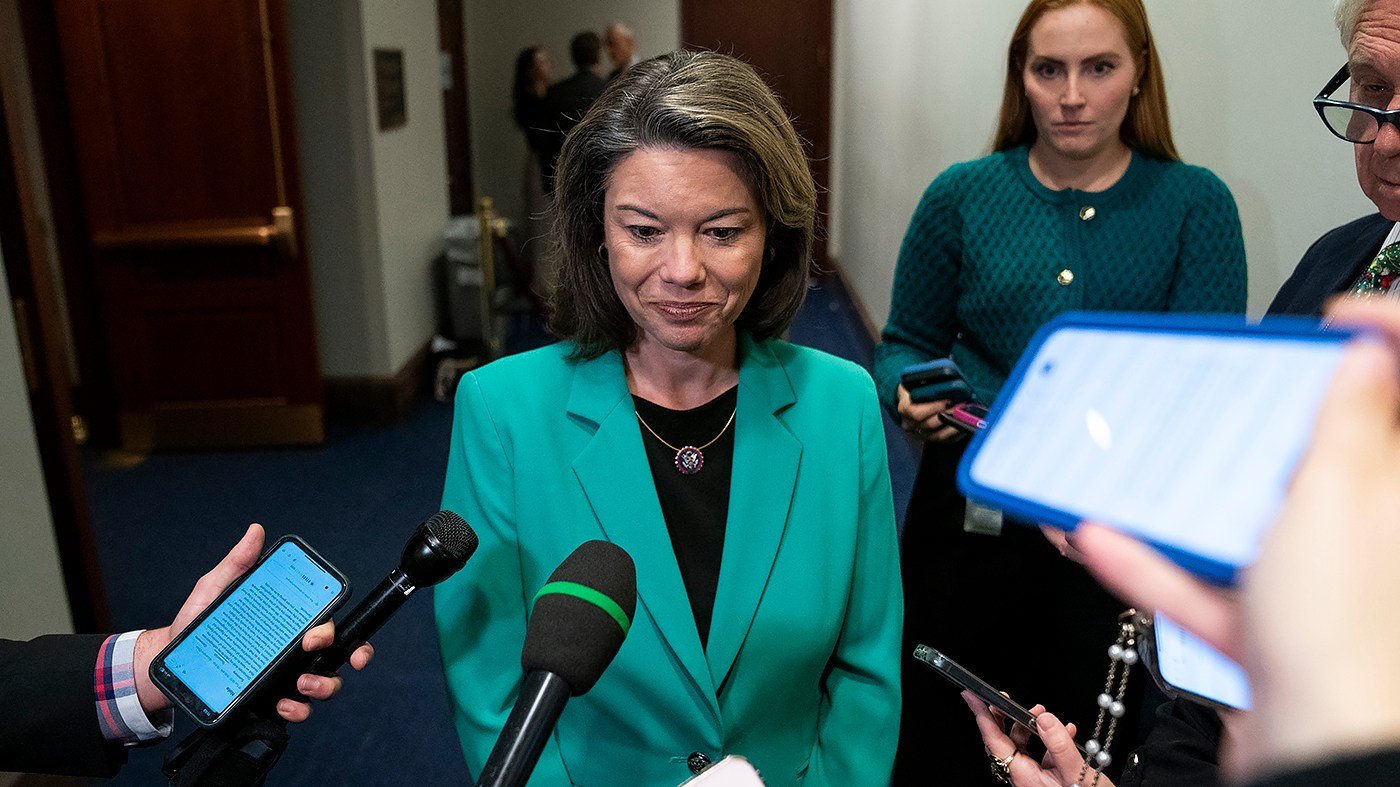
Georgia's race to replace term-limited Governor Brian Kemp heated up Monday as candidates squared off in separate party debates, coinciding with the start of early voting for the May 19 primaries. The contests, held at the Atlanta Press Club, set the stage for a November matchup that could tip the balance of power in one of the nation's few toss-up gubernatorial races.
On the Republican side, billionaire health executive Rick Jackson found himself on the defensive as rivals attacked his past political contributions and late embrace of President Trump. Lieutenant Governor Burt Jones, who has Trump's endorsement, accused opponents of fabricating attacks, a likely reference to reports linking Jackson to a group opposing Jones. Jackson shot back, saying, "I knew that I would be getting attacked. I just didn’t know that you could actually make up information about it and so forth."
Jackson entered the race in February, upending a GOP field that had been shaping up as a three-way battle among Secretary of State Brad Raffensperger, Jones, and Attorney General Chris Carr. Now, polling averages from Decision Desk HQ show Jackson leading Jones by six points, with Raffensperger trailing in third. Other contenders, including businessman Clark Dean and entrepreneur Gregg Kirpatrick, have struggled to gain traction.
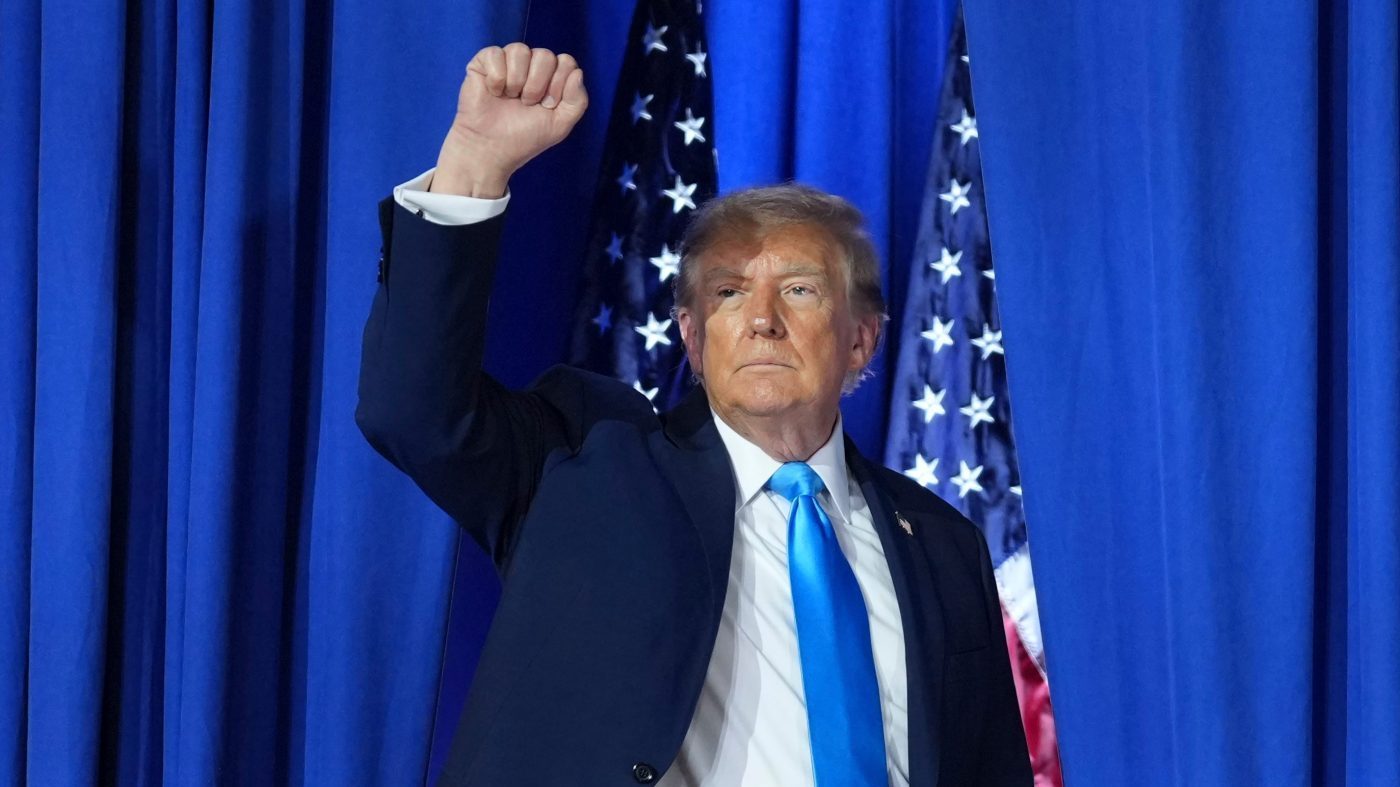
Trump's influence hung over the debate. Software engineer Tom Williams jokingly asked Jones and Jackson about their "bromance," then pressed Jackson on reports he had donated to anti-Trump candidates, questioning his loyalty. Jackson admitted he was "late to the Trump train" but reiterated his current support. Raffensperger, who famously defied Trump's 2020 demands to "find" more votes, denied he made a mistake and expressed enthusiasm for Trump's economic plans. Georgia National Guard Sergeant Ken Yasger accused rivals of "sucking up" or "tip-toeing around" the president.
The Democratic debate focused on affordability and taxes, with former Atlanta Mayor Keisha Lance Bottoms leading in a March Emerson College poll by over 20 points. Former Lieutenant Governor Geoff Duncan, who switched from the GOP to run as a Democrat, faced sharp questions about his party shift. State Representative Derrick Jackson asked, "Why do you feel like you’re entitled to run for governor as a Democrat?" Duncan responded, "I certainly wouldn’t describe anything that I’m doing as entitled. I’m working as hard as everybody else is on this stage."
Georgia's political landscape remains volatile. Trump flipped the state back in 2024 after Biden's 2020 win, and Democrats are hoping to replicate the energy of past races, including Kemp's victories over Stacey Abrams. Four top statewide offices—governor, lieutenant governor, secretary of state, and attorney general—are open, and Democrats are also defending Senator Jon Ossoff's seat, considered the most vulnerable Democratic Senate seat in the nation.
With early voting underway, the primary outcomes will shape a closely watched November general election. For more on Georgia's political shifts, read about the GOP Senate debate and the clash over Trump voting initiatives that could affect turnout.