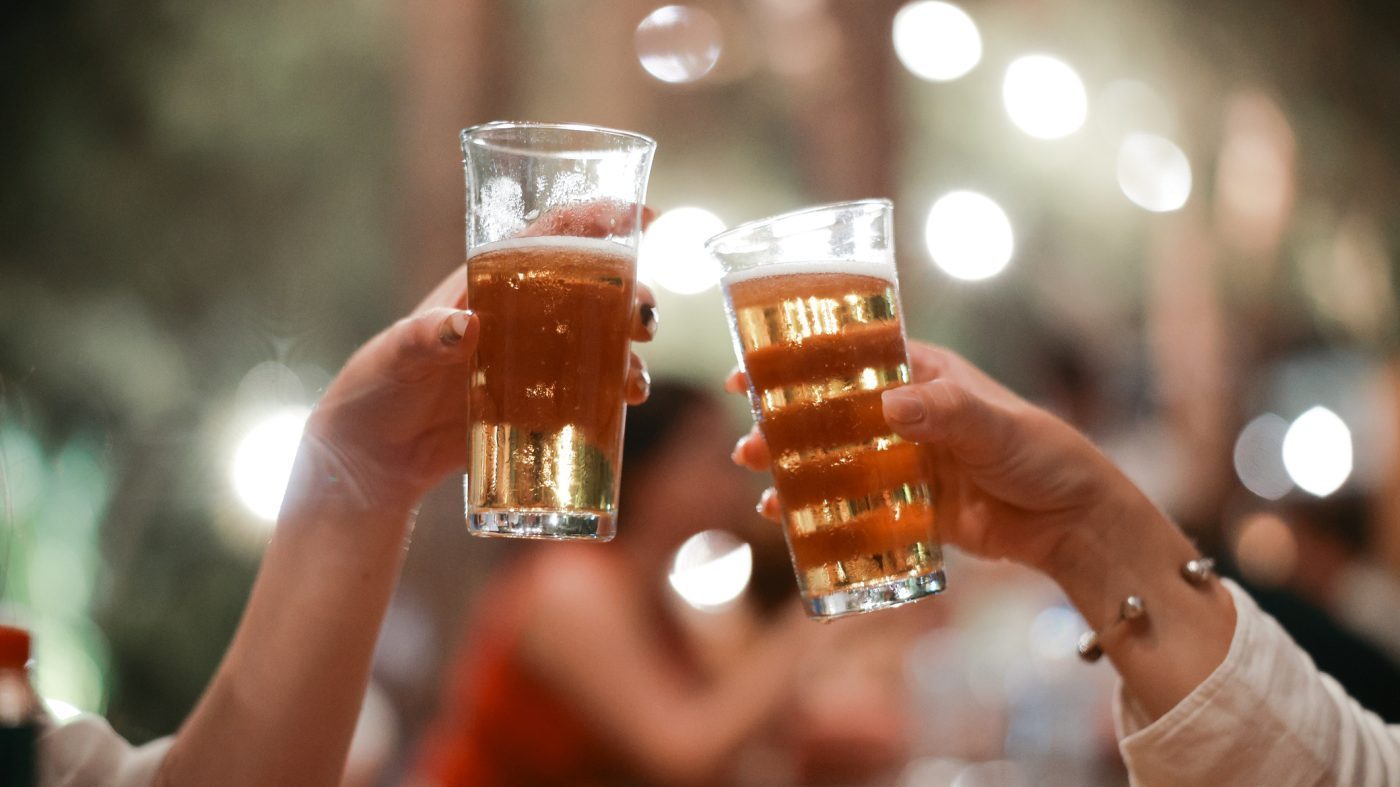
Heineken has issued a stark warning to UK pubs and bars: the rising popularity of GLP-1 weight-loss drugs could fundamentally alter drinking habits and dent beer sales.
In a document presented to UK hospitality customers earlier this month, the Dutch brewer advised that medications like Ozempic and Wegovy may lead to “fullness and fewer serves” among users, according to Reuters. The company said its research shows consumers on these drugs are increasingly choosing smaller servings, lower-alcohol beverages, and premium products.

“We see some changes in consumption behaviour among (GLP-1) users and will continue to monitor how these behaviours evolve in 2027,” a Heineken spokesperson told the news agency.
The warning underscores a broader shift in the drinks industry as health and wellness trends collide with the explosive growth of GLP-1 medications, which suppress appetite and are increasingly used off-label for weight loss. Heineken’s advice to hospitality clients: push half-pints and expand low- and no-alcohol offerings to capture changing consumer preferences.
Not all brewers are rushing to embrace a GLP-1-focused strategy. Damm’s UK managing director, Luke White, told Reuters that pivoting to the weight-loss drug market is fraught with regulatory and reputational risks.
“It’s really hard for a beer company to do that because of legislative reasons and making sure your claims are right, so I wouldn’t say that we would actively pursue a GLP-1-focused strategy,” White said.
Instead, Damm is betting on the broader low-and-no alcohol trend, which White described as one of the “two growing areas in the category” in the UK, alongside world lager. “We will be spending a lot more time on the development of the low-and-no sector, be that flavour or new ABV,” he added.
Other major brewers, including Diageo and Carlsberg, are also closely monitoring the impact of GLP-1 drugs on drinking habits, though none have yet announced major strategic shifts.
The stakes are significant. A report by Drinkaware and KAM found that people using GLP-1 medications spent 30 percent less on alcohol at pubs, bars, and restaurants, while their weekly spending on alcohol for home consumption fell by 22 percent.
For the hospitality industry, already grappling with inflation and shifting consumer habits, the rise of GLP-1 drugs represents a new and unpredictable variable. As Heineken’s warning suggests, the era of the pint may be giving way to a more measured, moderation-first approach to drinking.