Google has finalized a contract with the Pentagon to supply its artificial intelligence models for classified government operations, a move that has reignited internal dissent and raised ethical questions about the tech giant's role in national security.
The agreement, confirmed by a Pentagon official speaking on condition of anonymity, allows the Defense Department to use Google's AI for “any lawful governmental purpose.” A Google spokesperson defended the deal, stating the company is “proud to be part of a broad consortium of AI labs and technology and cloud companies providing AI services and infrastructure in support of national security.” The Pentagon's press office declined to comment.

This development comes less than two months after the Pentagon blacklisted AI firm Anthropic over a dispute about safety guardrails. Anthropic had raised concerns that its technology could be used for domestic mass surveillance or autonomous weapons without human oversight, while the Pentagon insisted on broad usage rights. Google's contract language remains unclear on whether similar protections are included, though the spokesperson reiterated the company's commitment to “the private and public sector consensus that AI should not be used for domestic mass surveillance or autonomous weaponry without appropriate human oversight.”
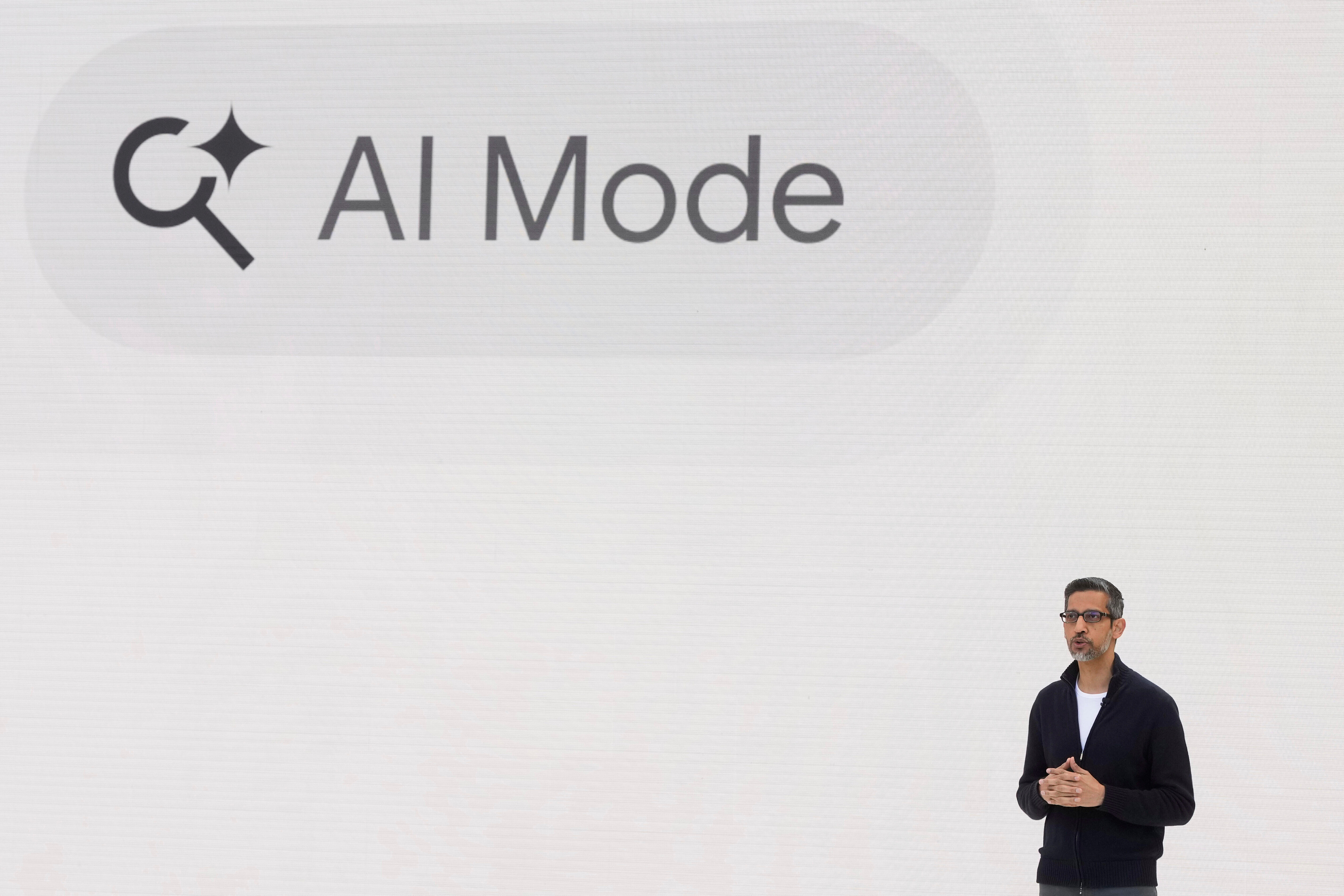
The deal has sparked a backlash from within Google's own ranks. More than 600 employees at Google DeepMind and Cloud sent a letter to CEO Sundar Pichai on Monday, warning that the company currently lacks mechanisms to prevent unmonitored harm from its AI tools. The employees argued that approving Google's AI for classified work could cause “irreparable harm” to the company's reputation. This echoes a similar revolt in 2018, when Google employees forced the company to walk away from a Pentagon contract after widespread protests.
Google already holds contracts across the federal government for non-classified AI workloads, including through the Pentagon's genAI.mil platform. The company's spokesperson highlighted applications such as “logistics, cybersecurity, diplomatic translation, fleet maintenance, and the defense of critical infrastructure,” and emphasized that providing API access to commercial models with industry-standard terms represents a “responsible approach to supporting national security.”
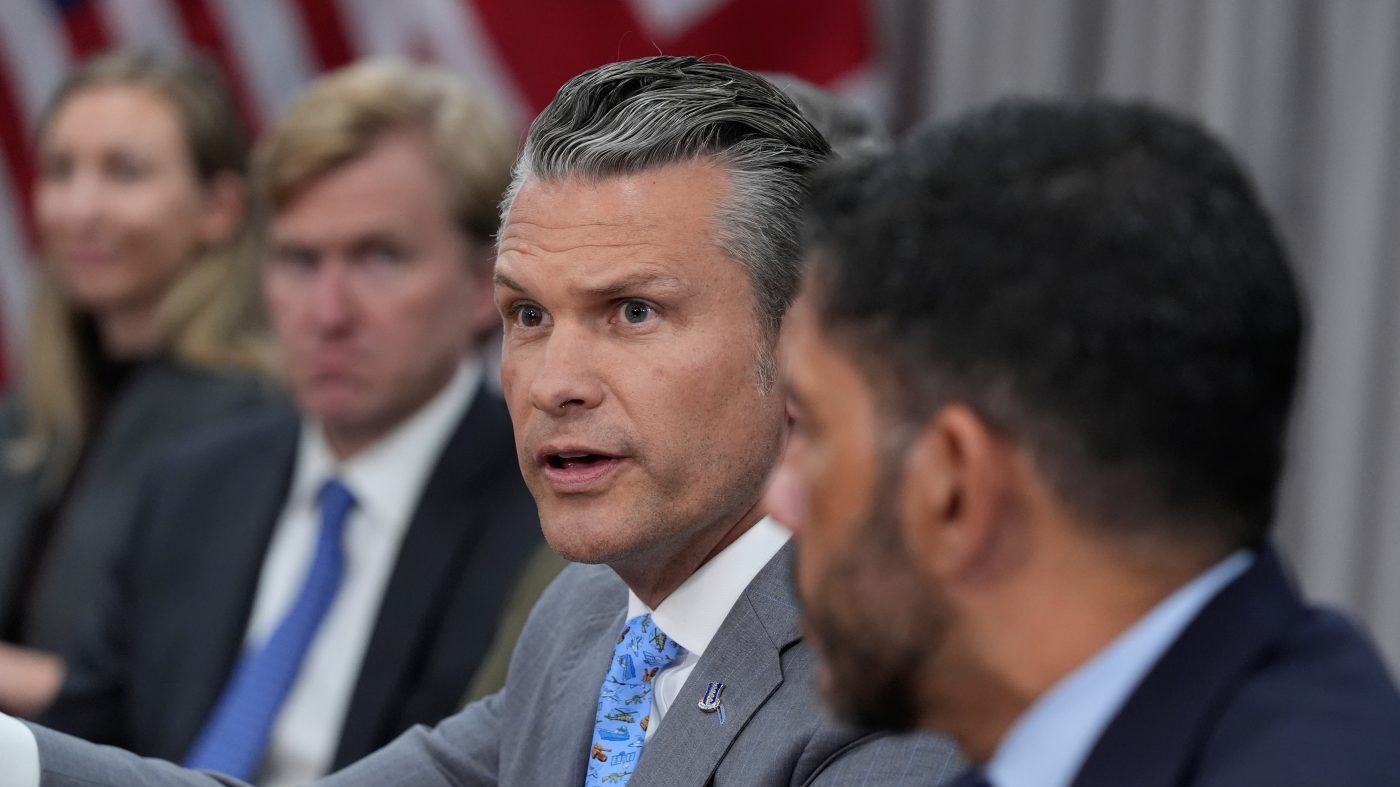
The Pentagon's push to integrate AI into classified work follows a broader trend. OpenAI, maker of ChatGPT, inked a similar deal with the Defense Department in February, hours after negotiations with Anthropic collapsed. The terms of that agreement were also opaque, though CEO Sam Altman later discussed adding safeguards. Elon Musk's xAI has also secured a Pentagon contract. Meanwhile, the Pentagon has faced scrutiny over other policy moves, such as the proposal to rename itself the Department of War and ongoing debates about leadership under Secretary Pete Hegseth.
Critics argue that the lack of transparency in these contracts undermines public trust and could lead to unintended consequences. The employee letter specifically highlighted the risk of AI being deployed in ways that evade human oversight, a concern that has dogged the Pentagon's AI ambitions for years. As the Pentagon accelerates its adoption of advanced technology, the tension between operational needs and ethical boundaries shows no signs of easing.