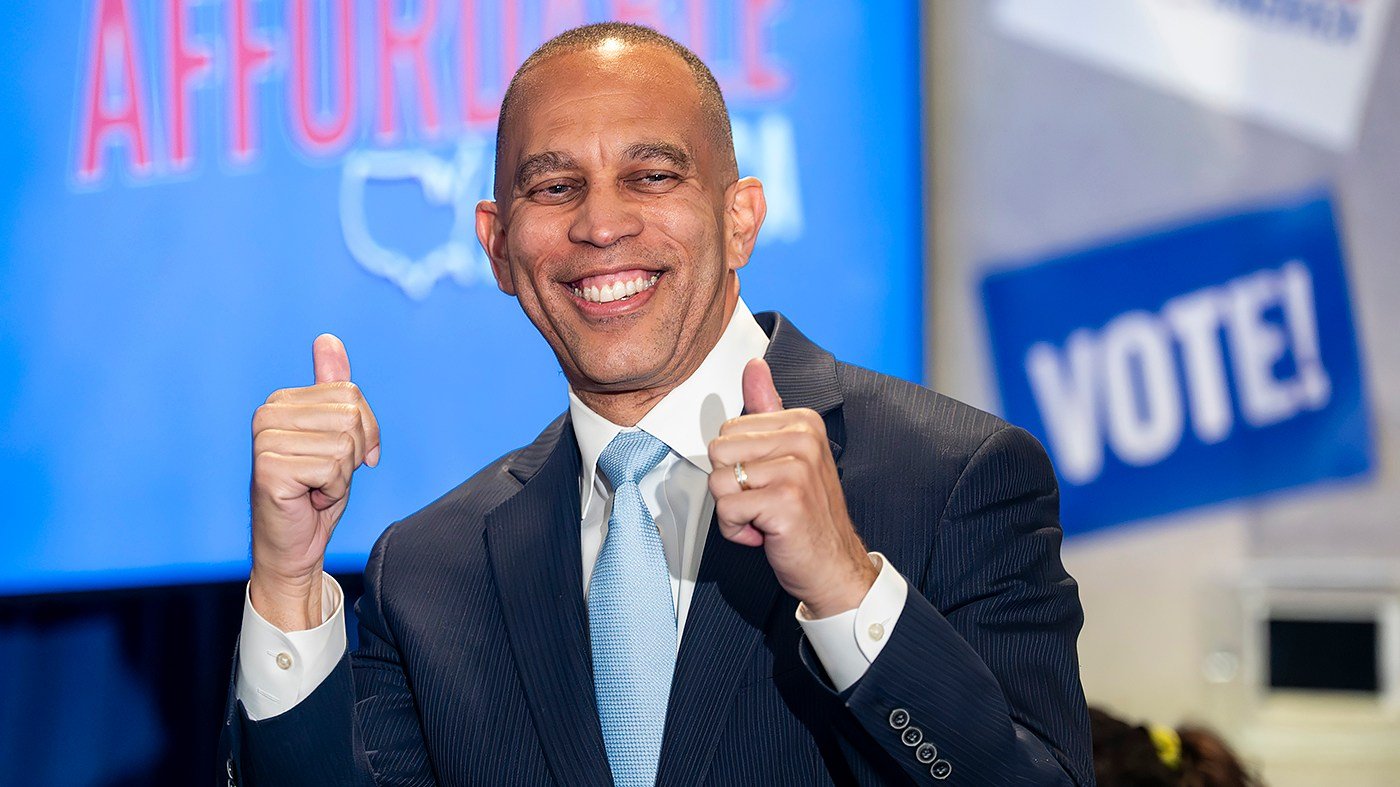
House Democrats erupted in celebration Tuesday night in Washington, basking in a decisive midterm victory that swept them back into the majority and set the stage for a direct confrontation with President Trump. The party's leaders, gathered at a hotel in the Navy Yard neighborhood, framed the outcome as a clear rebuke of Trump's turbulent second term and promised to escalate their oversight and legislative battles when they assume power in January.
House Minority Leader Hakeem Jeffries (D-N.Y.) declared the start of a new era, telling a cheering crowd, "Today begins the great American comeback. This is a change election, and we understand as House Democrats that we need to deliver dramatic change." The mood at the watch party, held just blocks from the Capitol, was initially subdued as operatives worked the phones to get out the vote. But as returns showed Democrats flipping Republican-held seats in Kentucky, North Carolina, and elsewhere, the anxiety gave way to open celebration.

By mid-evening, the crowd was chanting Jeffries's name, and the wine was flowing. The party's victory was not unexpected—pollsters and handicappers had predicted a strong Democratic night—but the scale of the win, which included holding onto vulnerable incumbents in Florida and Ohio, exceeded even the most optimistic projections. The Democrats' recapture of the House was confirmed by CNN shortly after 10 p.m., triggering a roar of approval from the assembled faithful.
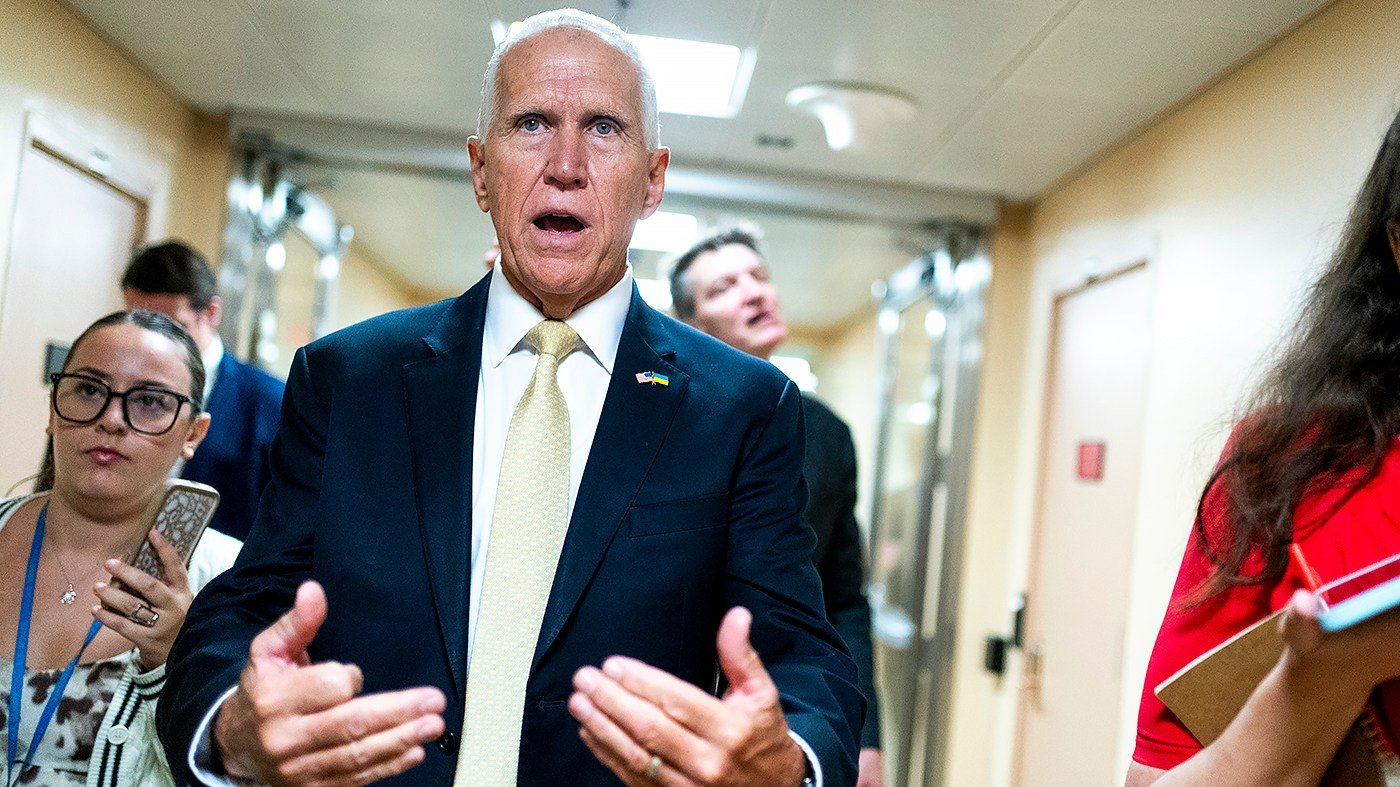
The celebratory atmosphere marked a dramatic shift for a party that has spent the first half of Trump's term in the minority, watching Republicans push through a sweeping agenda of tax cuts, Medicaid reductions, and immigration enforcement funding. But Tuesday's results suggested that agenda had backfired with voters. The Iran War fractured Trump's coalition, his deportation surge alienated Hispanic voters, and his tariffs and trade wars angered farmers and working-class consumers hit by rising costs.
Trump, who watched the returns from the White House, had personally backed several losing GOP candidates, particularly in Senate races. The White House sought to distance itself, blaming the candidates for weak campaigns. But the losses were a stinging rebuke of the president's political influence.
For Jeffries, the victory is a personal vindication. He has led House Democrats since 2021, but faced criticism from progressives who felt he was too passive in opposing Trump. He also had to step out of the shadow of former Speaker Nancy Pelosi, a towering figure in the party. Jeffries kept his caucus united around the theme of affordability, a message that resonated with voters across the political spectrum. His disciplined approach paid off, and he is now poised to become the first Black Speaker of the House, a vote scheduled for January 3.
Jeffries will take the gavel with a comfortable majority, which should give him room to manage the party's ideological diversity. The victory also blunts the leverage of the democratic socialist wing and other factions that might have sought to extract concessions in a narrower majority. With the Senate also flipping to Democratic control, the party is positioned to challenge Trump on multiple fronts, from oversight of his administration to legislative priorities. The midterm rout has reset the balance of power in Washington, and Democrats are eager to use it.