The Democratic Congressional Campaign Committee is moving to make artificial intelligence and data center policy a central attack line in more than two dozen battleground House races, according to a new analysis from the Tech Oversight Project shared first with The Hill.
The group's report found that 31 of the DCCC's 69 official "redboxes" — internal messaging guides for competitive districts — explicitly reference Republican candidates' past support for data center tax breaks, along with campaign contributions from developers of AI infrastructure. That means nearly half of the party's targeted seats could see voters hit with ads tying the GOP to the tech sector's rapid expansion.
"For the first time, the balance of power in Congress will be determined by how voters feel about Big Tech and AI," said Sacha Haworth, executive director of the Tech Oversight Project, in a statement. "If Democrats take back control of Congress, they need to govern how they campaigned: by putting Big Tech to the sword, investigating them for corruption, and rolling back the handouts and giveaways that Republicans gave them."
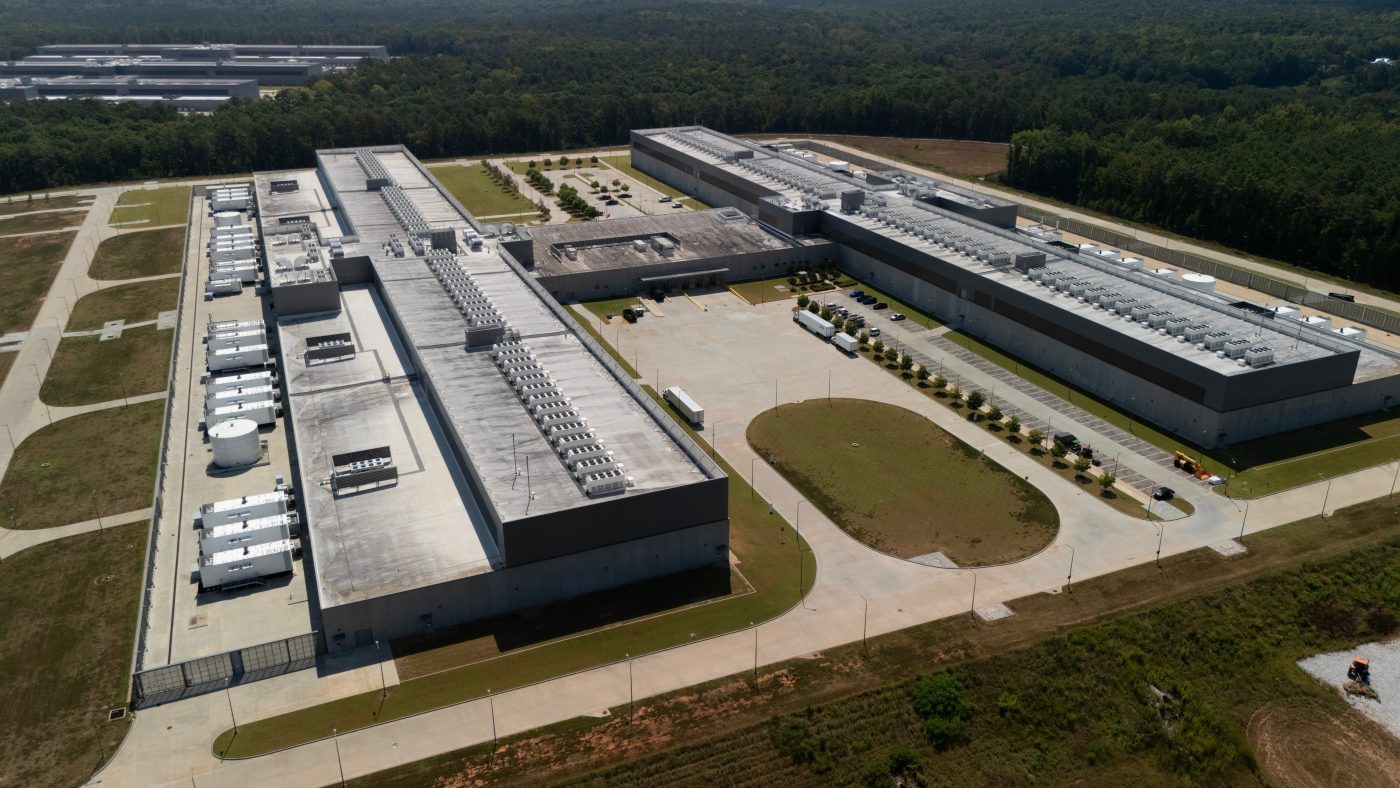
The push reflects a broader shift in electoral politics, where technology issues have historically taken a backseat to kitchen-table concerns. But with data centers sprouting up across the country — often drawing local opposition over energy use, water consumption, and noise — Democrats see an opening to cast Republicans as too cozy with an industry that voters increasingly view with suspicion.
Among the GOP incumbents singled out in the DCCC's redboxes are Reps. Eli Crane (Ariz.), Bill Huizenga (Mich.), Bryan Steil (Wis.), and Mike Lawler (N.Y.). For Huizenga, the committee suggests "voters should see aggressive, hard-hitting ads" in the Grand Rapids media market highlighting his support for "unleashing data centers across Michigan." In Steil's case, the party's campaign arm says "voters district wide, but especially in the Madison media market, need to read mail about how" the congressman has received backing from PACs tied to data center developers.
The strategy is already showing up on the trail. In Montana's at-large House race, Democratic candidate Sam Forstag has launched an ad attacking his Republican opponent Aaron Flint over his record on both AI and data centers.
The DCCC's focus comes as Texas agriculture chief warns data centers could cost GOP midterms, a sign that the issue is resonating beyond coastal districts. The concern is not just political — it's also economic. Data centers are massive consumers of electricity and water, and in rural areas they can strain local grids and drive up costs for residents and farmers alike.
Republicans, for their part, have largely framed data center development as a jobs and investment win, pointing to new construction, tax revenue, and the potential for AI-driven economic growth. But as the midterm cycle heats up, Democrats are betting that voters' anxieties about the industry's downsides will outweigh those arguments.
With control of the House hanging in the balance, the DCCC's decision to weave AI and data centers into its playbook suggests that tech policy is no longer a niche concern. "This is a new front in the fight for the House," Haworth said. "And it's one that Republicans are not prepared to defend."
The Tech Oversight Project's report also notes that the DCCC is likely to pair these messages with broader attacks on corporate influence and Republican ties to wealthy tech donors, a strategy that could resonate with both progressive and swing voters. Whether it moves numbers in the fall remains to be seen, but the committee's early investment signals that data centers and AI will be a recurring theme in the battle for the House.