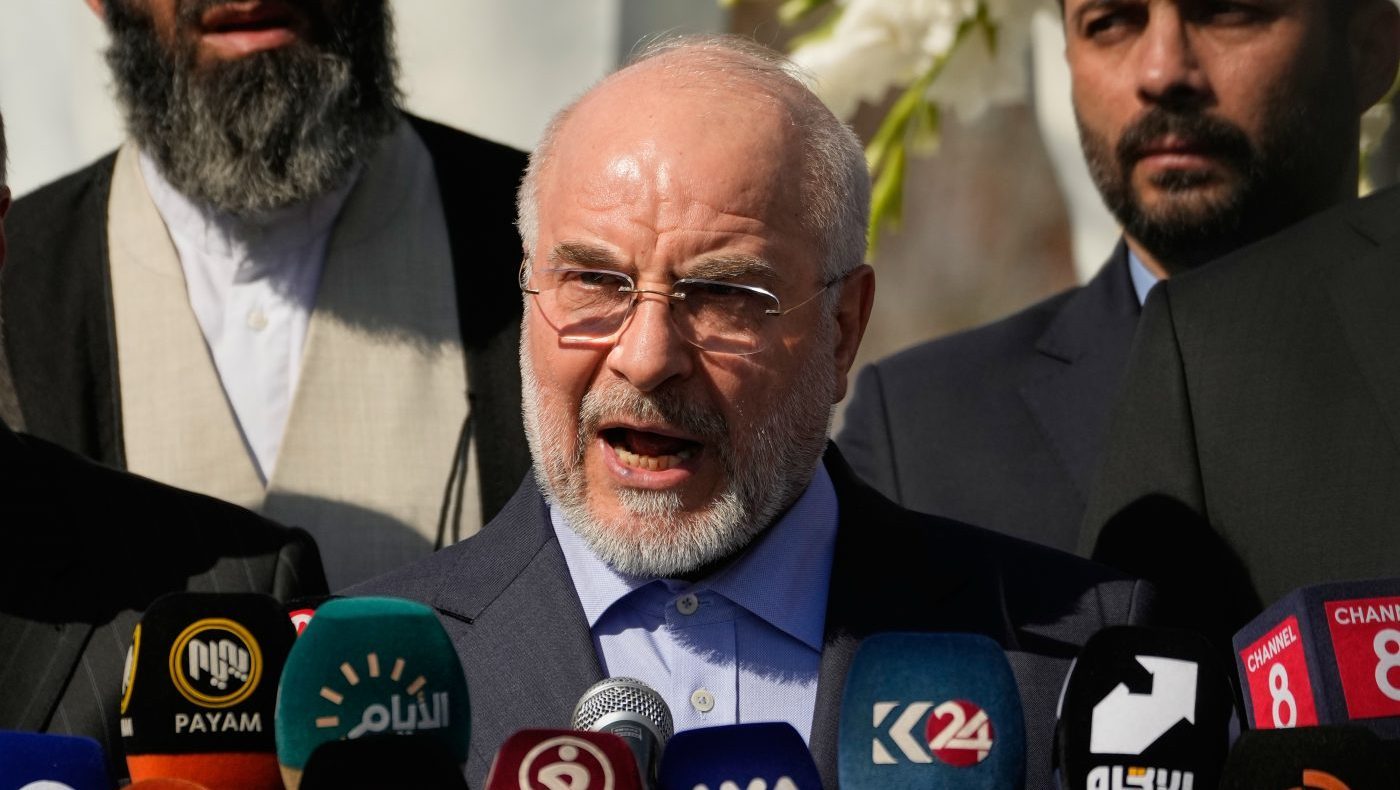
Iran's chief negotiator, Mohammad Bagher Qalibaf, declared that the onus is on the Trump administration to prevent a return to full-scale conflict, asserting that Tehran has delivered a "firm and rational response" to US demands regarding nuclear weapons and the reopening of the Strait of Hormuz.
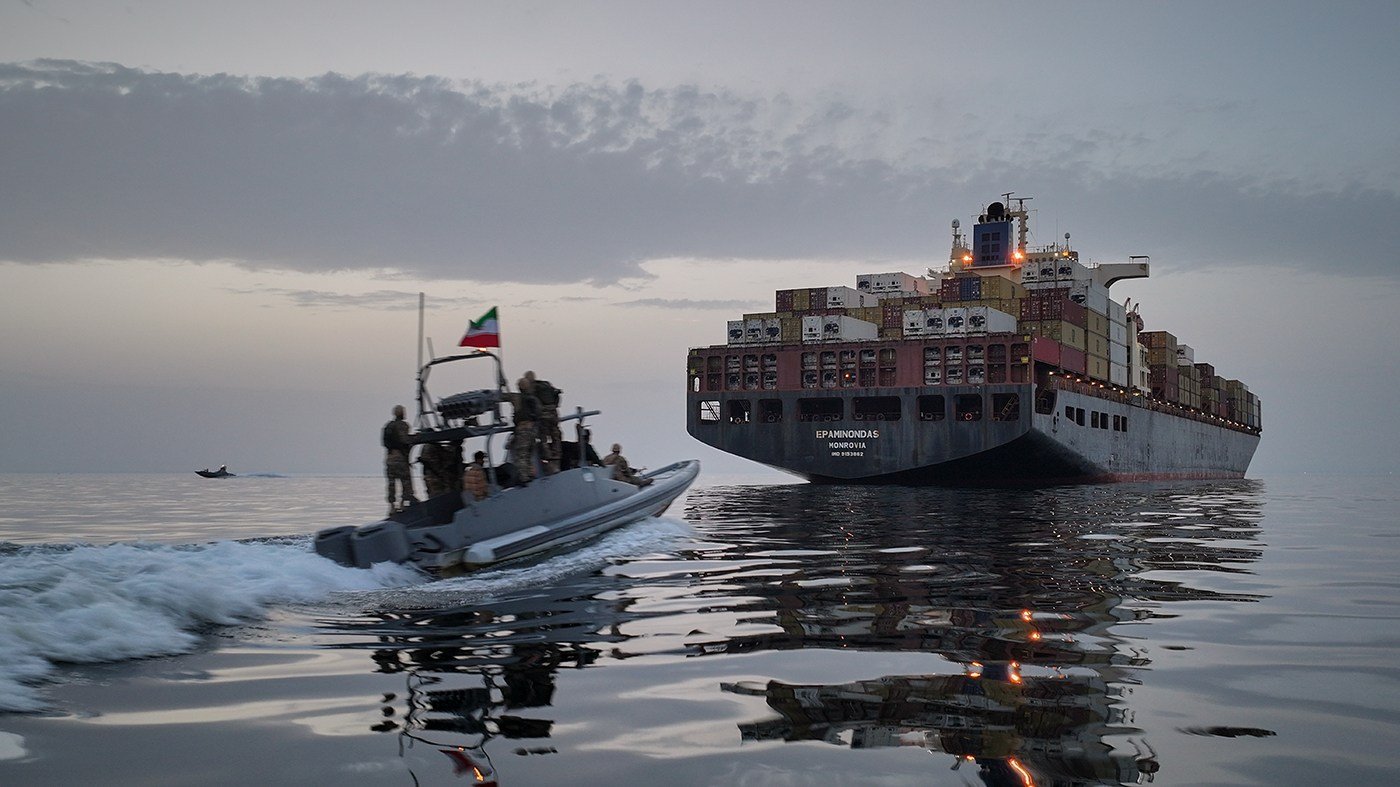
Qalibaf did not elaborate on the specifics of that response, but his remarks came just hours after the United States conducted what it described as defensive strikes on an Iranian anti-aircraft installation on Qeshm and Hengam islands, both strategically located in the Strait of Hormuz.
President Trump confirmed the attack on Tuesday, characterizing it as "minor" and not an escalation toward broader hostilities. In a phone interview with Fox News, Trump explained that US forces had monitored the facility's construction for roughly two months—it reportedly included radar systems and missile launchers—and struck it immediately after completion. "We watched it get built, as soon as it was completed, we hit it last night very nicely," he said.
The diplomatic channel between Washington and Tehran remains fragile, with indirect talks continuing through Qatari mediators. Vice President Vance has reportedly been in contact with Iran's security chief, Mohsen Rezaei, in recent days as part of efforts to revive negotiations. Vance expressed cautious optimism on Monday, stating that he and Trump "both feel pretty good about the prospects for potentially coming to a negotiated settlement."
Trump's public signals have been contradictory, oscillating between threats of major military action after the midterm elections and overtures for a peace deal. The ongoing conflict, which began on February 28 and led Tehran to close the crucial Strait of Hormuz, has driven global fuel prices sharply upward—a factor that has weighed heavily on Trump's approval ratings ahead of the elections.
Iran has conditioned any concessions on the strait or its nuclear program on a series of US actions: lifting the naval blockade on Iranian ports, waiving sanctions on Iranian oil exports, and securing a ceasefire between Israel and Hezbollah in Lebanon, among other demands.
Rezaei reinforced that position on social media, stating, "America's response to Iran's rights and demands was not convincing, and they must fully and explicitly address Iran's seven conditions and act upon them. Only in this case will the Strait of Hormuz be reopened."
The standoff has created a precarious situation for the administration, which faces pressure from both hawks and those seeking de-escalation. As the midterm elections approach, the economic fallout from the conflict has become a central political liability, with Republicans bracing for potential losses.
Analysts note that the US strikes, while limited in scope, signal a willingness to use military force to maintain pressure on Tehran. However, the path to a negotiated settlement remains uncertain, with Iran insisting on a comprehensive response to its conditions before any reopening of the strait.
For now, the ball appears to be in Washington's court, as both sides weigh the costs of further escalation against the potential benefits of a diplomatic breakthrough.