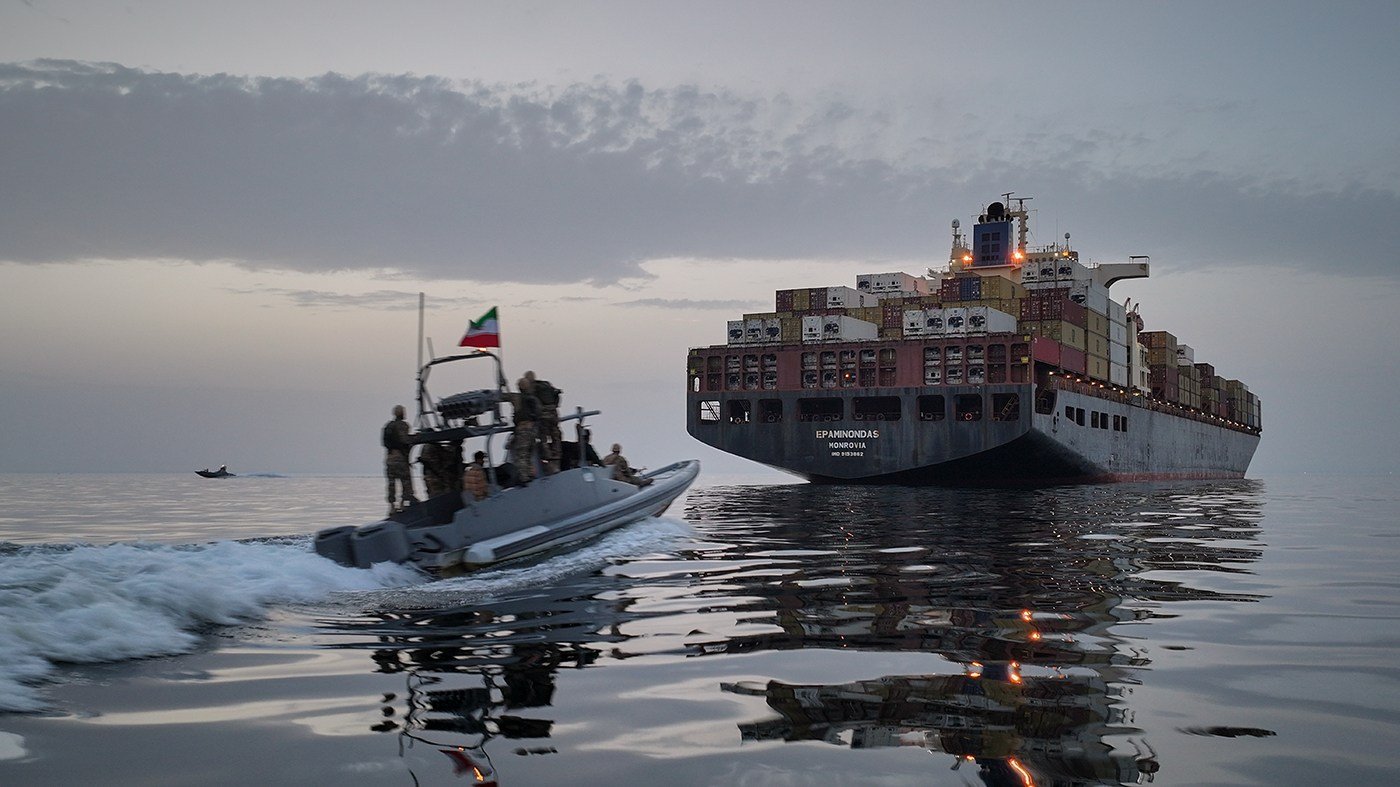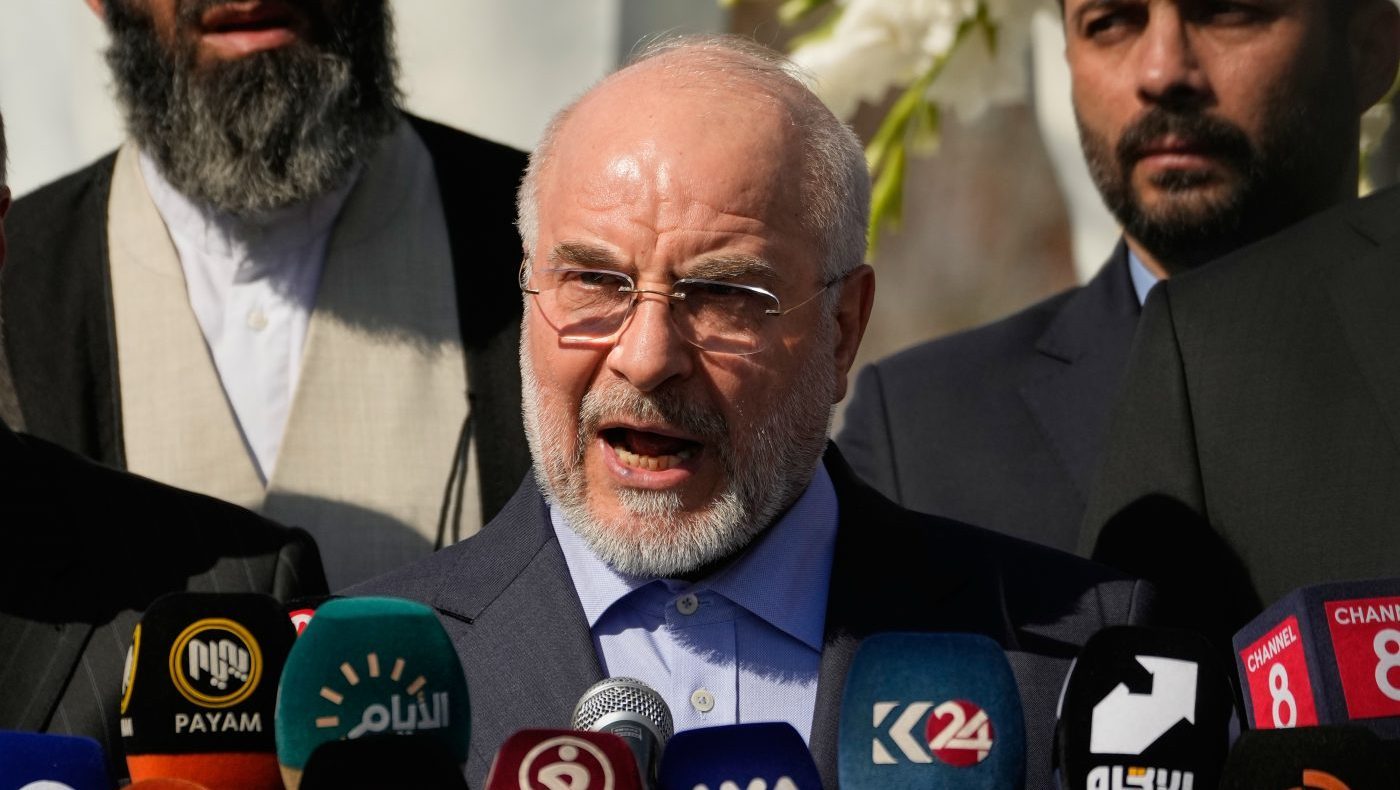
Iran's chief negotiator, Mohammad Bagher Qalibaf, said Tuesday that the onus is on the United States to prevent a return to all-out conflict, asserting that Tehran has delivered a “firm and rational response” to Washington's demands concerning its nuclear program and the reopening of the Strait of Hormuz. Qalibaf did not specify the exact nature of that response, but his remarks came just a day after the U.S. military conducted what it described as defensive strikes on an Iranian anti-aircraft installation on Qeshm and Hengam islands, both strategically located in the strait.
President Donald Trump confirmed the attack on Tuesday, characterizing it as “minor” rather than an escalation toward full-scale war. Speaking by phone to Fox News, Trump said U.S. forces had monitored the construction of the facility—which reportedly included radar systems and missile launchers—over a roughly two-month period. “We watched it get built, as soon as it was completed, we hit it last night very nicely,” he said. The strikes occurred just one day before the U.S. midterm elections, adding a political dimension to an already volatile situation.

The diplomatic channel between Washington and Tehran remains fragile, with both sides engaged in indirect talks mediated by Qatar. Vice President JD Vance has reportedly been in contact with Iran's security chief, Mohsen Rezaei, in recent days as part of efforts to restart substantive negotiations. Vance expressed cautious optimism on Monday, saying that he and Trump “both feel pretty good about the prospects for potentially coming to a negotiated settlement.”
Trump's public statements have been mixed, at times threatening major combat operations against Iran after the midterms, while also signaling openness to a peace deal. That ambiguity has kept regional and global markets on edge, especially given the ongoing U.S.-Israeli military campaign against Iran that began on February 28. That conflict prompted Tehran to close the Strait of Hormuz, a chokepoint for roughly 20% of global oil shipments, sending fuel prices soaring worldwide—a development that has weighed heavily on the Republican Party ahead of the elections. Recent polling shows Trump's approval rating at a historic low, a sign of the political turbulence the administration faces.
Iran has made any concession on the strait or its nuclear activities conditional on a set of demands: the lifting of the U.S. naval blockade on Iranian ports, the waiver of sanctions on Iranian oil sales, and a ceasefire between Israel and Hezbollah in Lebanon, among other stipulations. Rezaei reiterated those conditions on social media Tuesday, writing that “America's response to Iran's rights and demands was not convincing” and that Washington must “fully and explicitly address Iran's seven conditions and act upon them.” He added, “Only in this case will the Strait of Hormuz be reopened.”
The standoff has raised fears of a broader regional war, with both sides appearing to test each other's red lines. The U.S. strikes on the islands were limited in scope, but they signal that Washington is prepared to use military force to protect freedom of navigation. Meanwhile, Iran's leadership continues to frame the conflict as a defensive struggle against American and Israeli aggression, while also leaving the door open for diplomacy—if its conditions are met.
Analysts suggest that the coming days will be critical in determining whether the situation stabilizes or spirals. The mixed signals from the White House, combined with Tehran's insistence on its preconditions, create a precarious environment. With Republicans bracing for possible midterm losses, the political calculus in Washington may influence how aggressively Trump pursues military options. At the same time, Iran's economy, battered by sanctions, may limit its appetite for a prolonged confrontation.
For now, the ball appears to be in Washington's court. Qalibaf's statement underscores Tehran's position that it has responded to U.S. demands and that further escalation would be America's responsibility. Whether the administration chooses to engage seriously with Iran's conditions or continues its current approach remains an open question, but the stakes are undeniably high—for the region, for global energy markets, and for the political future of the Trump administration.