Tel Aviv — Israel's election on Tuesday produced a record voter turnout, with early returns showing Prime Minister Benjamin Netanyahu's right-wing bloc and a center-right coalition led by former general Gadi Eisenkot in a dead heat. The race, widely seen as a referendum on Netanyahu's leadership in the wake of the October 7, 2023 Hamas attack, remained too close to call late into the night.
According to Israel's Central Elections Committee, 74.3% of the country's 7.3 million eligible voters cast ballots by 8 p.m., surpassing the previous record of 70% set in 2022. The high turnout was attributed to intense public interest in the election's outcome, which could determine the country's direction amid ongoing wars in Gaza and Lebanon.
Exit polls and early tallies indicated that Eisenkot's "Change" bloc, which includes his Yashar party and several center-right factions, was slightly edging out Netanyahu's Likud-led alliance. However, the complexity of Israel's coalition system left open the possibility that Netanyahu could still cobble together a governing majority, as he has done in previous elections.
One key factor was the projected performance of Arab-majority parties, which early estimates suggested could win up to 18 seats combined. Their support could prove pivotal in giving Eisenkot's bloc a ruling majority, should they agree to join a coalition. But analysts cautioned that the final results might not be clear until Wednesday, given the intricate negotiations required to form a government.
"This election is a clear referendum on Netanyahu's handling of security and the economy," said Kobi Marom, a retired IDF colonel close to Eisenkot. "The public is demanding change, and we are seeing that in the record turnout."
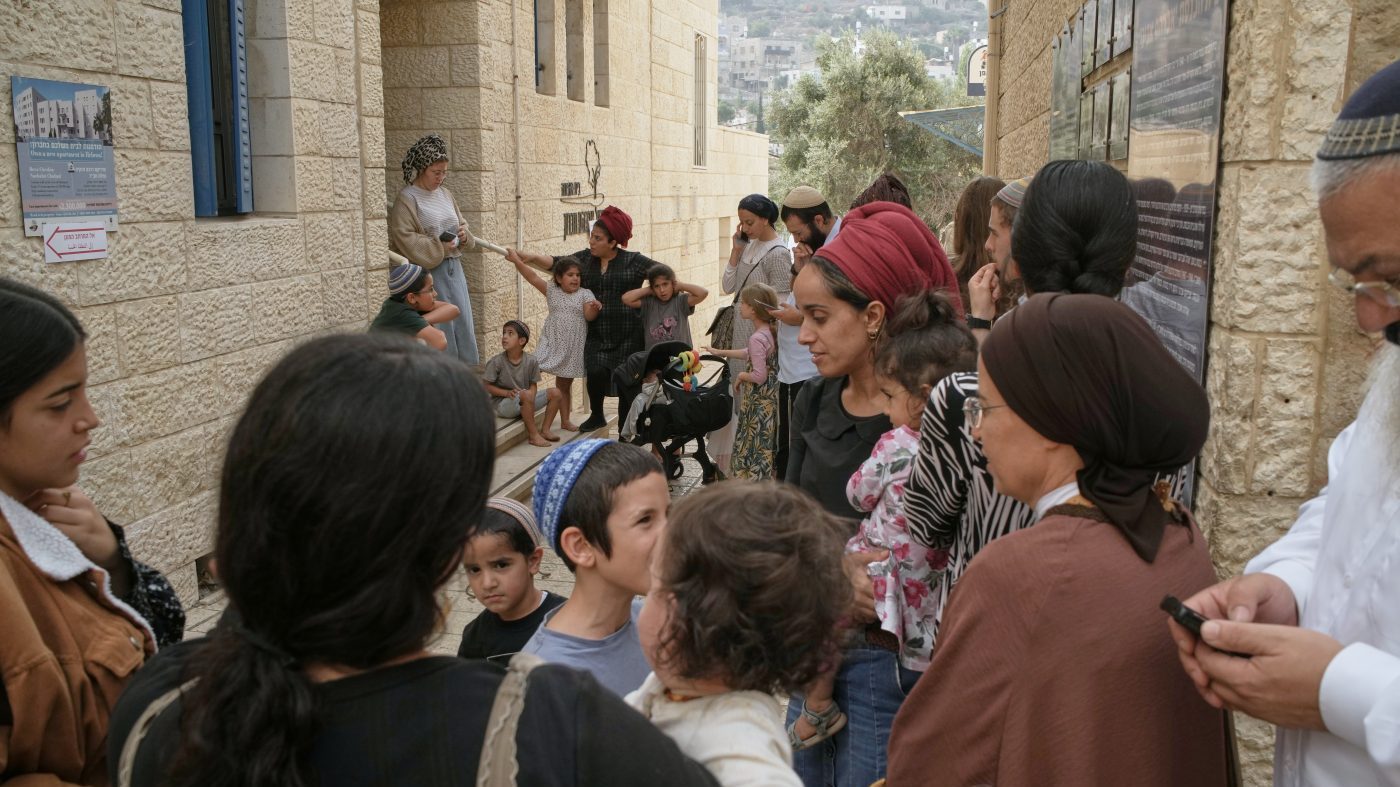
Voters expressed a range of motivations. Aaron Adler, a 73-year-old Israeli-American voting in Jerusalem's Katamon neighborhood, said he hoped for a new direction. "The country needed a change after Oct. 7, badly," he told The World Signal. "We'll keep living, this is our country, we love it. But we don't want Bibi forever."
Other voters, like Tomer Ram, 43, cast ballots for parties that promised to join Eisenkot's coalition to block Netanyahu. "The current administration is the worst ever, not only in Israel, maybe in the whole world," Ram said. "They need to be replaced."
The election's outcome will have significant implications for the region. Both Netanyahu and Eisenkot have taken hawkish stances on Iran, and the next government is likely to continue military operations against Hezbollah in Lebanon and Hamas in Gaza. The United States is also preparing for potential strikes on Iran, a move that could escalate tensions further.
Political analysts noted that the next prime minister will face the challenge of forming a coalition within 28 days, with a possible 14-day extension. If no party leader can secure a majority, the president could tap another candidate, prolonging the uncertainty.
As Israelis awaited final results, many expressed hope that the record turnout would translate into a more stable government. "This election shows that people care deeply about the future of our country," said Aya Lael, 42, who voted for Naftali Bennett's Yachad party. "We need leaders who can bring us together, not divide us."