Senior Trump administration officials, including Defense Secretary Pete Hegseth and Health and Human Services Secretary Robert F. Kennedy Jr., have repeatedly sounded the alarm about a supposed crisis of plummeting testosterone levels among American men. But endocrinologists and researchers say the picture is far more complex, and the push toward hormone replacement therapy may not be the silver bullet officials suggest.
Kennedy has frequently claimed that "an American teenager has less testosterone than a 68-year-old man," a statement that has drawn skepticism from experts. Hegseth, meanwhile, has implemented mandatory testosterone screening for active-duty service members over age 30, with those found to have low levels offered voluntary hormone therapy. The Pentagon's program is designed to ensure troops have the "right testosterone levels to operate at your absolute best," Hegseth has said.
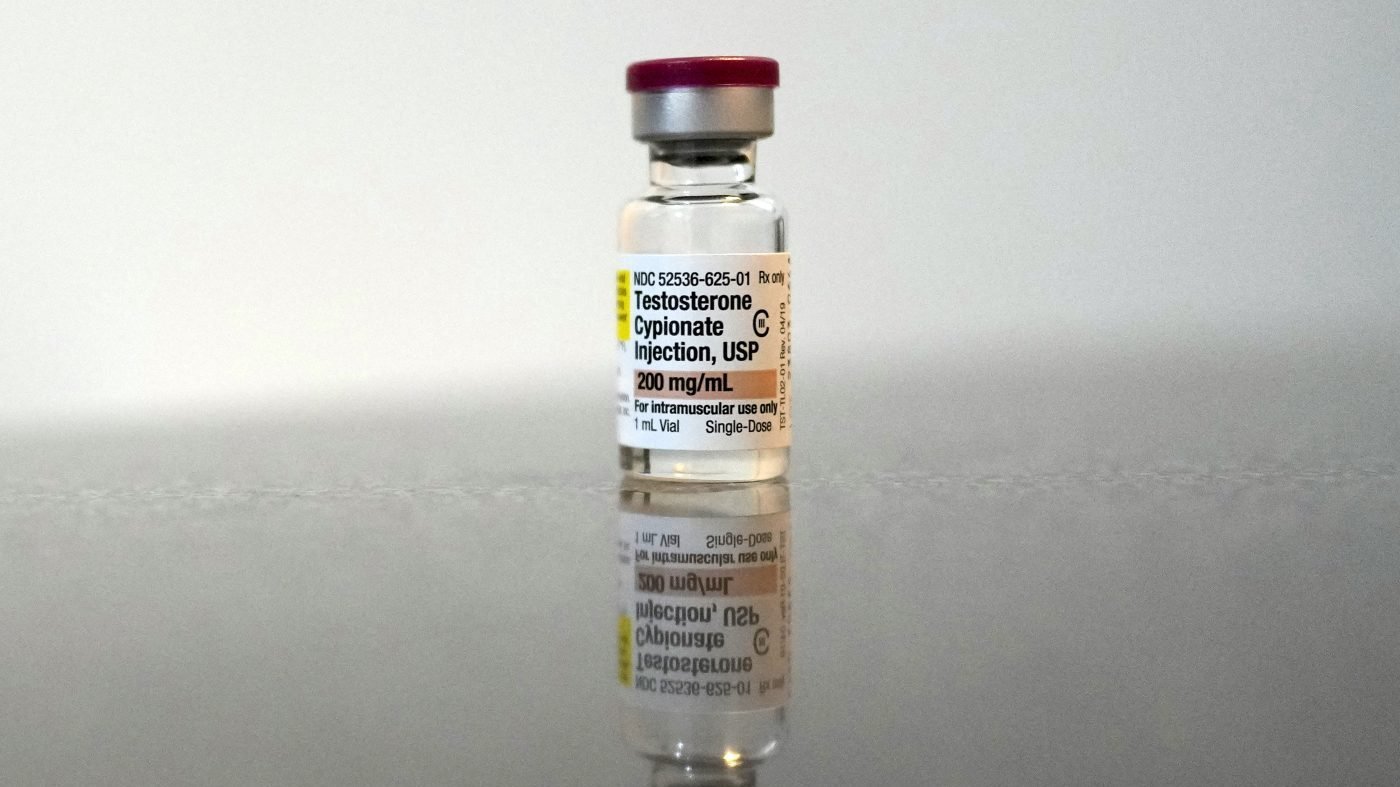
The concern is not entirely unfounded. Multiple studies across the U.S., Denmark, and Israel have observed declining testosterone levels in men over recent decades. A study published in October, funded by the U.S. Army Medical Research and Development Command, found that 25.7% of active-duty male Army personnel had morning testosterone levels below 300 ng/dL—the threshold used by the American Urological Association (AUA) to suggest possible deficiency when symptoms are present.
However, researchers stress that a single low reading does not diagnose hypogonadism, a condition of little to no sex hormone production. Claire E. Berryman, a corresponding author of the study and now at Purdue University, noted that "a diagnosis generally requires both consistent signs or symptoms of testosterone deficiency and unequivocally and repeatedly low testosterone concentrations." She added that the study did not perform the comprehensive clinical evaluations needed to confirm hypogonadism.
The study used two thresholds, including the AUA's 300 ng/dL and a stricter 264 ng/dL cutoff derived from prior research on healthy young men. The findings align with earlier research, such as a 2018 study that found 30.8% of men aged 20 to over 60 fell below the 300 ng/dL mark. But experts point out that such numbers reflect broader population trends, not an acute crisis.
Dr. Sandeep Dhindsa, chief of endocrinology at Saint Louis University School of Medicine, attributes much of the observed decline to demographic shifts. "I think most of the decline in testosterone that would be noticed in studies is going to be the fact that we have an aging population. We have obesity," he said. "When you take into account those factors, the differences become smaller, but they don't go away completely."
Dhindsa also cautioned against attributing the trend to environmental factors like microplastics or phytoestrogens, saying the evidence is "a bit unknown." He emphasized that testosterone levels are highly sensitive to stress and illness, noting that soldiers in combat often experience dramatically low levels due to extreme conditions.
Kennedy and conservative commentators like Alex Jones have linked the data to environmental chemicals, with Kennedy even suggesting that such substances could affect gender identity. Experts have repeatedly pushed back, stating there is no scientific evidence to support those claims. Kennedy, who is 72, has acknowledged using testosterone replacement therapy himself, calling it "appropriate for my age."
Testosterone deficiency is typically diagnosed through symptoms such as low libido, fatigue, depression, and erectile dysfunction. The Army study did not select participants based on symptoms, and Berryman noted that treatment should aim to alleviate symptoms rather than chase a specific number. As the administration pushes forward with its screening and treatment programs, medical professionals urge a more measured approach grounded in clinical evidence.