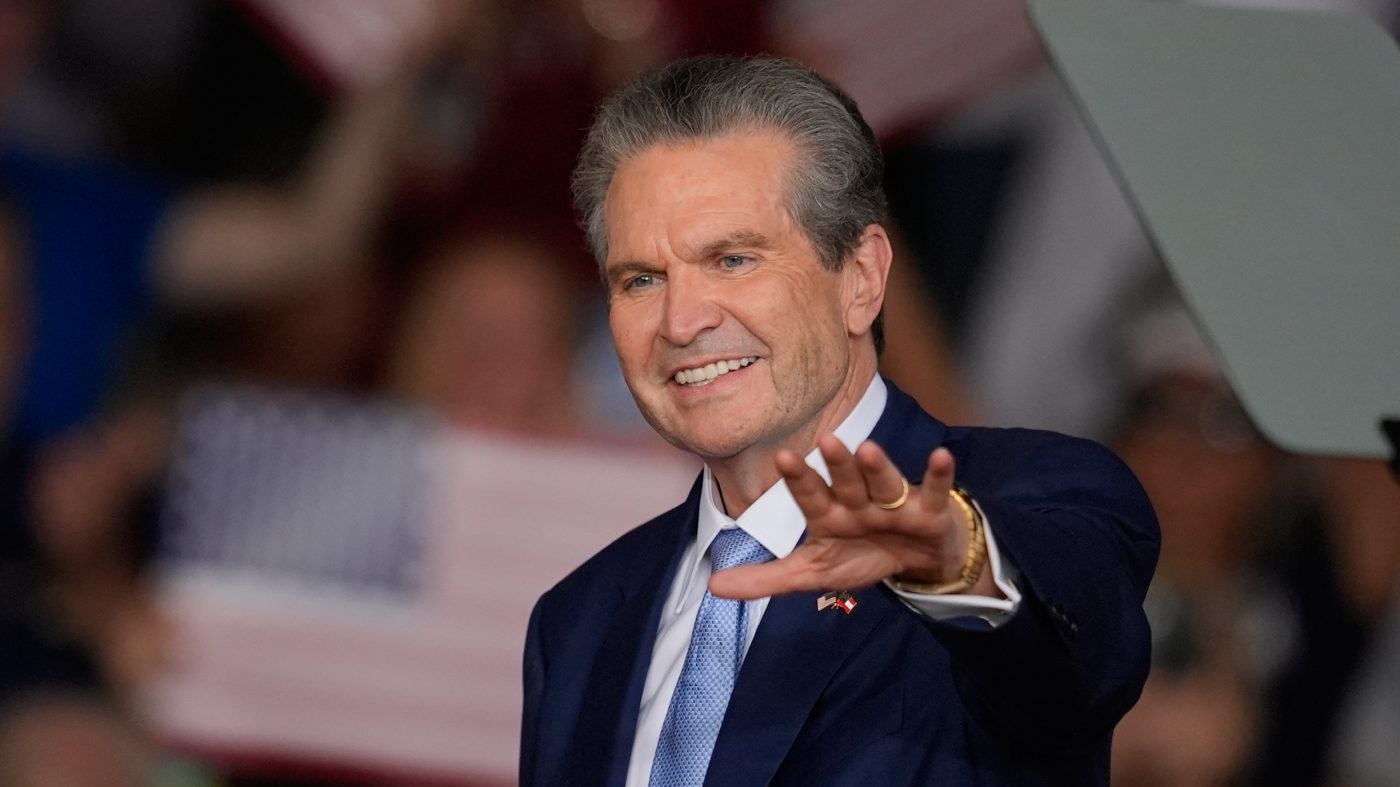
Georgia's Republican gubernatorial nominee Rick Jackson is sounding the alarm about rural voter apathy as early voting gets underway, warning that many conservatives in the state's countryside may assume the race is already decided and skip the polls.
"I am concerned that rural Georgia still thinks we're red and therefore they look at somebody like myself and my opponent and just say, 'Well, there's no comparison,'" Jackson told the Atlanta Journal-Constitution at a campaign stop. His comments reflect a growing worry among GOP operatives that complacency in rural strongholds could erode the margins they need in a tight contest.
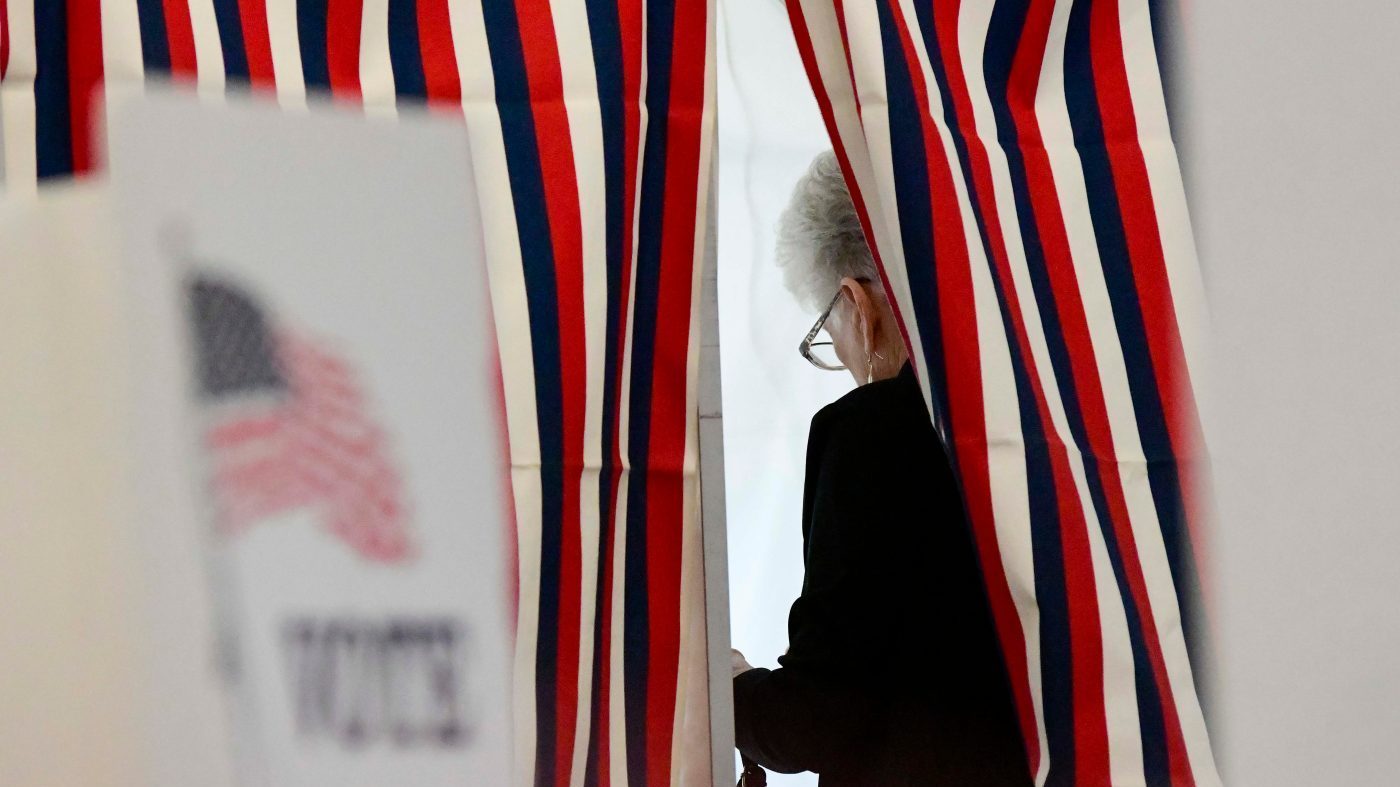
Early turnout data compiled by the nonpartisan tracking site VoteHub shows Black voters are turning out at high rates in the opening days of early voting. That demographic is critical to Democratic hopes, while Jackson's path to victory depends heavily on robust numbers from rural counties that have historically favored Republicans.
Jackson, a billionaire healthcare executive, is locked in a competitive race against former Atlanta Mayor Keisha Lance Bottoms. Georgia has become a perennial battleground, but the dynamics of this year's election are complicated by the Senate race, where Democratic incumbent Jon Ossoff has maintained a consistent lead in public polling. Democrats are hoping that Ossoff's coattails can lift Bottoms across the finish line.
A recent Atlanta Journal-Constitution/University of Georgia poll shows Ossoff leading his Republican challenger by eight points, 48 to 40 percent, while Jackson holds a razor-thin one-point edge over Bottoms, 46 to 45 percent. That closeness underscores the stakes of rural turnout.
Former President Barack Obama is scheduled to visit Georgia next week to campaign alongside Ossoff and Bottoms, a sign of the national attention on the state. Obama's appearance could energize the urban and suburban coalitions that have powered recent Democratic gains, but it may also sharpen the contrast on rural outreach.
Jackson has a significant financial advantage. He has poured more than $100 million of his own money into the race, allowing him to outspend Bottoms heavily on television and digital advertising. While Democrats cannot match that level of spending, Illinois Governor JB Pritzker, another billionaire, donated $1 million to Bottoms' campaign, as Politico reported.
Nonpartisan election forecaster Decision Desk HQ, which partners with The Hill, currently gives Bottoms a 56 percent chance of winning the gubernatorial contest. That model reflects the demographic trends and polling data, but it also leaves ample room for rural turnout to shift the outcome.
Jackson's concern is not unfounded. In recent cycles, rural voters have sometimes stayed home when they perceive the race as unwinnable or already decided. His campaign is now working to counter that narrative, emphasizing that the race is close and that every vote matters.
With early voting underway and Obama's visit looming, the next few weeks will test whether Jackson can mobilize the rural base while Bottoms aims to consolidate urban and suburban support. The outcome may well hinge on which side can better turn out its core supporters.