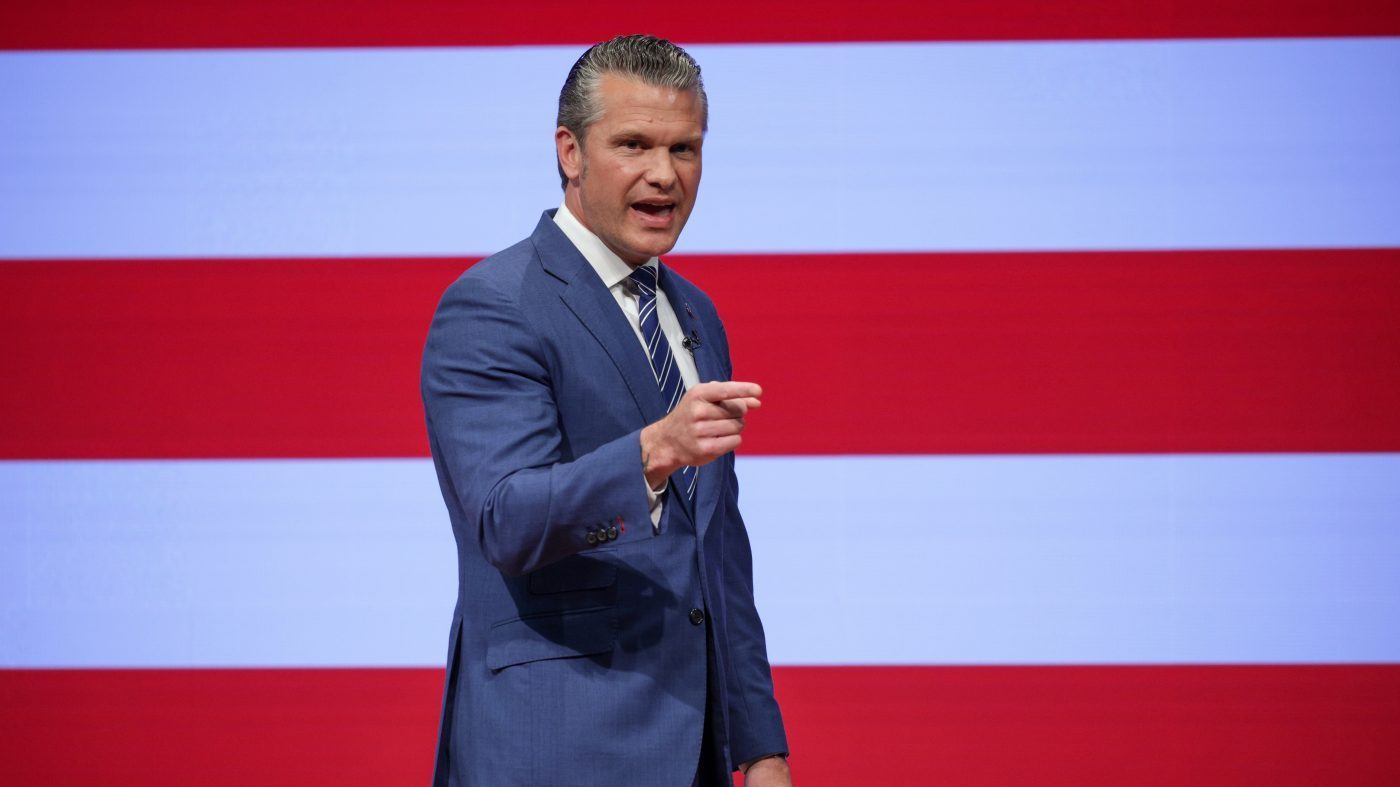
Defense Secretary Pete Hegseth has issued a directive prohibiting all Pentagon personnel from using non-public information to place bets on upcoming U.S. military actions through prediction markets and betting platforms such as Polymarket and Kalshi. The memo, dated Tuesday and first obtained by CBS News, was confirmed by a Pentagon official to The Hill on Thursday.
In the memo, Hegseth warned that such wagers create dangerous signals that adversaries can exploit. "Make no mistake why this matters. Our enemies watch movements in these markets," he wrote. "When an American Service member, intelligence professional, or other Department civilian engages in a financial transaction on a military outcome, they create a signal."
Hegseth emphasized that these signals, when aggregated, could be used by hostile foreign intelligence services to anticipate U.S. military movements, timing, and targeting. "The lives of our Service members often depend on the enemy not knowing what is coming," he said. "The men and women who carry our flag into harm's way deserve a Force that protects them – not one that exposes them to the enemy for personal gain."
Enforcement and Consequences
The memo outlines that violations could lead to administrative, disciplinary, and, where appropriate, criminal action under the Uniform Code of Military Justice and/or applicable federal law. The Pentagon has not yet responded to requests for comment.
The directive comes amid growing concerns in Washington about the potential for insider trading by government officials using prediction markets, which have surged in popularity this year. National security experts have warned that these platforms could be leveraged by bad actors to identify upcoming operations.
Recent Insider Trading Cases
The move follows the arrest of U.S. Army soldier Gannon Ken Van Dyke, who was accused of using classified information to bet on the capture of Venezuelan President Nicolás Maduro. Prosecutors alleged that Van Dyke, involved in planning the January operation, placed approximately $33,000 worth of bets before the incident. He pleaded not guilty in late April.
That case was the first high-profile instance of alleged insider trading on event contracts, prompting a flurry of legislative proposals on Capitol Hill to bar elected officials and federal employees from participating in prediction markets. In July, a White House teleprompter operator, Gabriel Perez, was placed on leave over allegedly making online bets on President Trump's speeches and was ordered to pay more than $172,000.
Hegseth's directive is part of a broader effort to address these vulnerabilities. It also comes as the Pentagon faces scrutiny over other issues, including damage to a historic globe during a move and blame for Starlink slowdowns in Ukraine, as well as escalating GOP criticism over Russia policy.