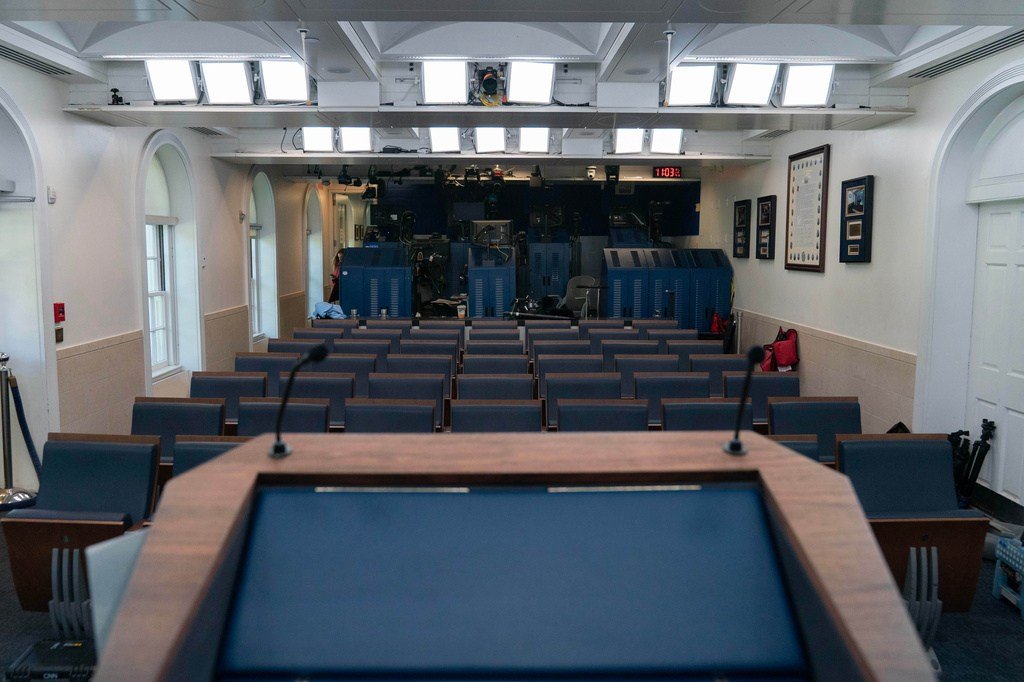
The White House press secretary job just saw its shortest tenure in history—five days. The next person to step to the podium inherits a role that is both uniquely demanding and steeped in tradition, symbolized by the very name of the room: the James S. Brady Press Briefing Room. Brady, who was gravely wounded in the 1981 assassination attempt on President Reagan, embodies the stakes and the spirit of the job.
Mark Weinberg, who served eight years in the Reagan White House press office, knew Brady personally and observed three different press secretaries up close. Each, he says, imparted a distinct lesson that any future press secretary would do well to heed.
Jim Brady: The Press Is the Instrument
Brady held the title for only ten weeks before the shooting, but his influence far outlasted his brief tenure. He was quick-witted, unpretentious, and genuinely liked by the reporters he sparred with. His core insight: the press is not the enemy but the medium through which the government explains itself to the governed. You can joust with reporters—Brady did, joyfully—but you cannot despise them without undermining the entire democratic exchange.
Notably, President Reagan never gave the title away. For nearly eight years, Larry Speakes and then Marlin Fitzwater served under other titles, because "press secretary" belonged to Brady until the administration ended. That loyalty sent a message: the job is bigger than any individual occupant.
Larry Speakes: Preparation Is Everything
Speakes took the podium on the worst day of the Reagan presidency—March 30, 1981—with the president in surgery and the world demanding answers. He then did it for six more years. His lesson was about the grind: the briefing is won in the hours before, through reading the morning papers, reviewing overnight cables, and making calls across the building to verify facts before anyone asks. The podium punishes the unprepared, and charm cannot substitute for accuracy.
Marlin Fitzwater: Credibility Is the Only Currency
Fitzwater served two presidents of very different temperaments, yet the press corps trusted him throughout. The reason: he never lied. When he couldn't answer, he said so. That honesty made his defense of the president credible—and thus valuable. A press secretary who will say anything is, professionally, mute.
The structural reality, Weinberg notes, is that the job serves three masters: the president, who deserves a vigorous advocate; the press, who are owed straight answers for the public; and the American people, who own the presidency. These interests often pull in different directions, and the only way to serve all three is through credibility. A press secretary's believability is not a personal asset—it is the president's, and it should never be squandered.
Advice for the Next Press Secretary
Weinberg offers practical counsel: brief often, prepare like Speakes, never guess, and correct errors quickly and plainly. Expect to learn from veteran reporters who have covered the building longer than most staffers have worked there. Be the president's supporter, but not a sycophant—an echo persuades no one, while a credible advocate is worth divisions. And never be rude to reporters as a performance; contempt manufactured for the clip demeans the room and the country.
The name on the door is a reminder of what the job should be: a promise that the presidency will explain itself—cheerfully, combatively, honestly—to a free press, because the presidency belongs to the public. The podium is not a shield or a weapon; it is a commitment.
As the next press secretary steps up, they might reflect on the recent chaos, including the five-day tenure that ended in chaos and the silence that followed. Some have even suggested the role is being set up to fail. But the fundamental principles remain.
Weinberg concludes with a note of encouragement: "Welcome to the hardest job in the building. The name on the room will be watching—a friendly gaze, and an exacting one."